Hair ties are a daily essential - quick, convenient, and everywhere. From workouts to workdays, they keep hair out of the way in seconds. But frequent use, especially with the wrong habits or materials, can quietly affect hair health and even the scalp over time.
This isn’t about avoiding hair ties altogether. It’s about using them smarter so you get the convenience without the damage.
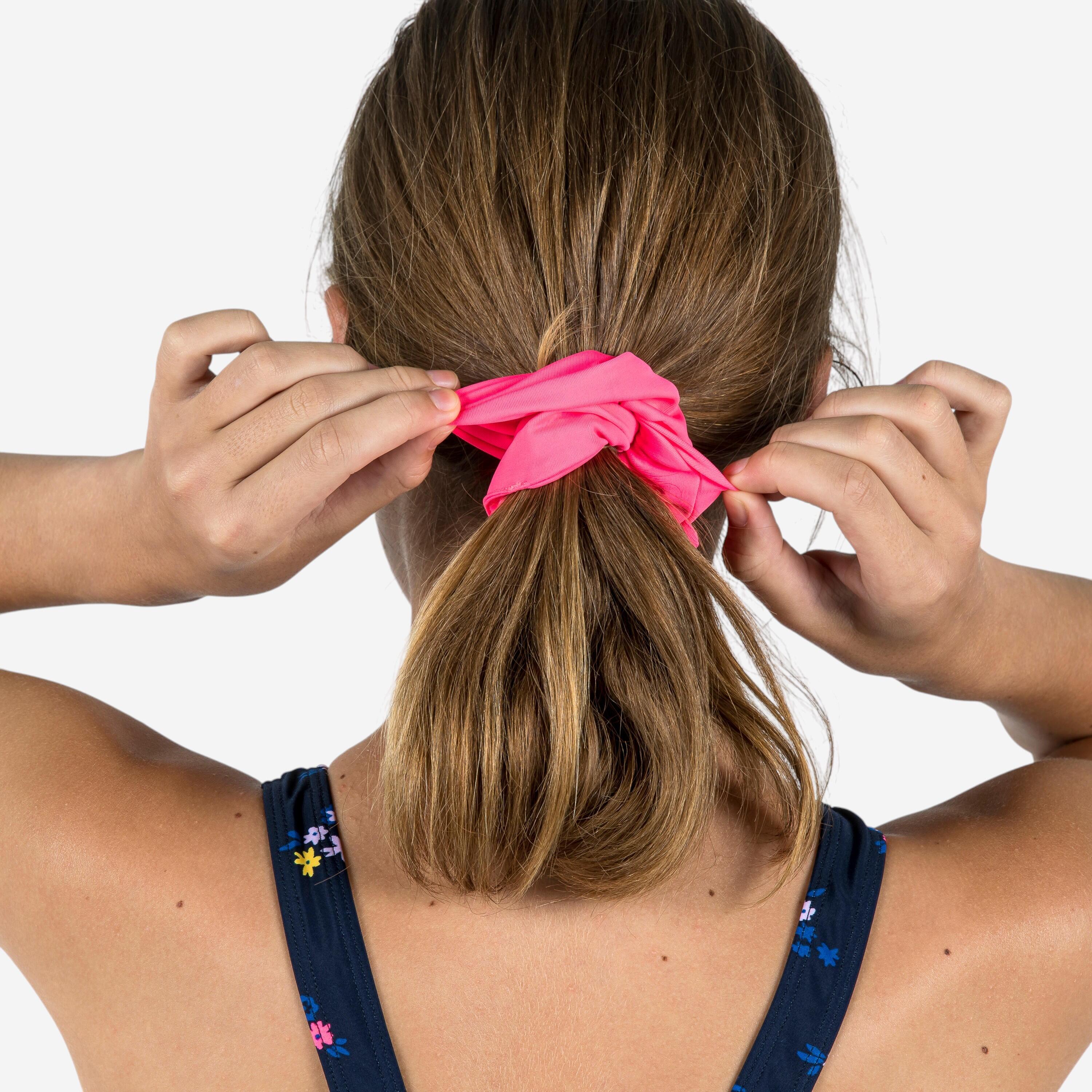
🧠 Why Hair Ties Can Cause Problems
Hair looks strong, but each strand is delicate. Repeated tension and friction can weaken it - especially when hair is wet or already damaged.
Common issues linked to hair ties:
- Breakage and split ends
- Thinning at the hairline
- Scalp tension or discomfort
- Indentations (“ponytail creases”)
Most of these come down to how and what you use.
⚠️ 1. Tight Ponytails Can Lead to Hair Loss
Pulling hair tightly—especially in the same spot every day—puts constant stress on the follicles. Over time, this can lead to traction-related hair loss.
Watch for:
- Receding hairline around temples
- Short, broken hairs along the front
- Scalp tenderness after removing the tie
Fix:
- Loosen the tension
- Alternate styles (low pony, braid, bun)
- Give your hair “rest days”
⚠️ 2. Elastic Bands Can Cause Breakage
Basic rubber or thin elastic ties can grip too tightly and snag strands.
What happens:
- Hair gets caught and pulled when removing
- Cuticle damage leads to frizz and split ends
Better options:
- Fabric-covered elastics
- Spiral (telephone-cord) ties
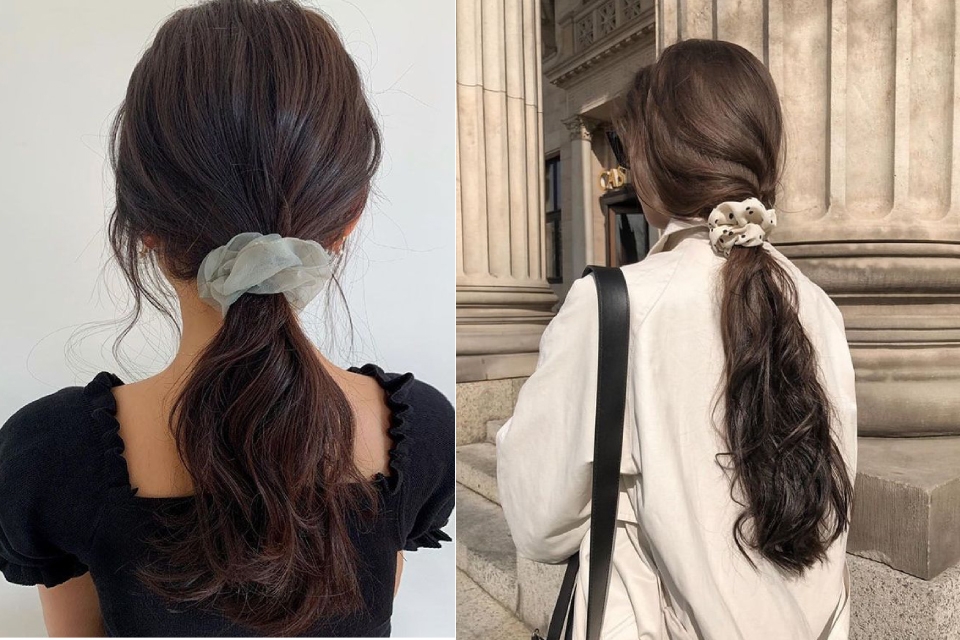
- Silk or satin scrunchies
These reduce friction and distribute pressure more evenly.
⚠️ 3. Wet Hair + Hair Tie = High Risk
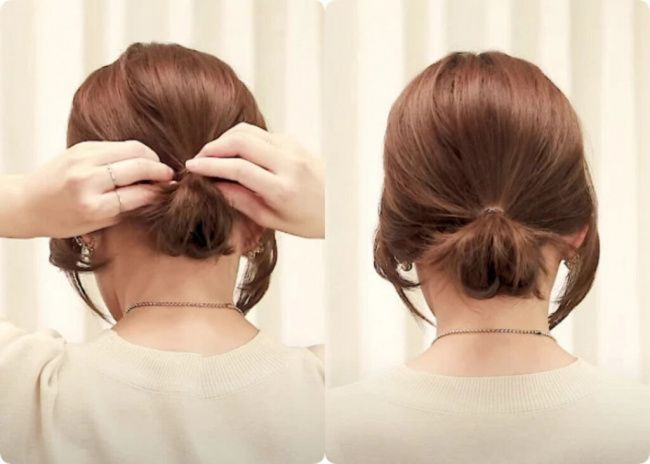
Hair is most vulnerable when wet. Tying it up right after washing increases the chance of stretching and snapping.
Better habit:
- Let hair air-dry partially before tying
- Use a loose braid instead of a tight pony
⚠️ 4. Sleeping with Tight Hair Ties
Going to bed with a tight ponytail or bun can cause overnight stress on the scalp.
Result:
- Breakage
- Scalp soreness
- Tension headaches (in some cases)
Try this instead:
- Loose braid or low, soft scrunchie
- Silk/satin pillowcase to reduce friction
⚠️ 5. Wearing Hair Ties on Your Wrist
It’s convenient—but not always ideal.
Potential issues:
- Bacteria buildup from daily contact
- Elastic loses shape faster
- Tight bands can leave marks or restrict circulation
Better to keep a clean spare in your bag instead.
💡 Smart Ways to Use Hair Ties Without Damage
✔️ Choose the Right Material
Go for:
- Soft, fabric-covered ties
- Satin or silk options
Avoid:
- Bare rubber bands
- Old, stretched-out ties
✔️ Change Your Hairstyle Often
Don’t tie your hair in the same place every day. Rotate between:
- High and low ponytails
- Braids
- Loose buns
✔️ Be Gentle When Removing
Never yank a hair tie out.
Instead:
- Loosen it slowly
- Unwrap gently to avoid pulling strands
✔️ Give Your Hair Breaks
Let your hair down when possible—especially at home or before sleep.
✔️ Keep Hair Healthy Overall
Stronger hair = less damage.
Support it with:
- Regular conditioning
- Minimal heat styling
- Balanced nutrition
🚨 When to Pay Attention
If you notice:
- Persistent hair breakage
- Thinning around the hairline
- Increased shedding
It may be time to change your hair habits - or consult a specialist if it continues.
💡 Final Thoughts
Hair ties are not the enemy - but careless use can lead to long-term damage.
Small adjustments - like choosing better materials, loosening tension, and changing styles - can make a big difference over time.
Because sometimes, it’s not the tool - it’s how you use it.
And when it comes to hair health, the smallest daily habits often matter the most.