Thick, yellow toenails can be both unsightly and uncomfortable, often leaving you wondering what could be the cause. While a visit to the doctor is the best way to get a confirmed diagnosis and professional treatment plan, there are several steps you can take in the meantime to manage the situation. Understanding the potential causes and implementing some immediate at-home care can help alleviate symptoms and prevent further complications.
In this article, we will explore various aspects of dealing with thick, yellow toenails, from identifying the underlying cause to managing the symptoms effectively at home. We will also cover preventive measures to stop the condition from worsening and discuss when it’s crucial to seek medical attention sooner rather than later.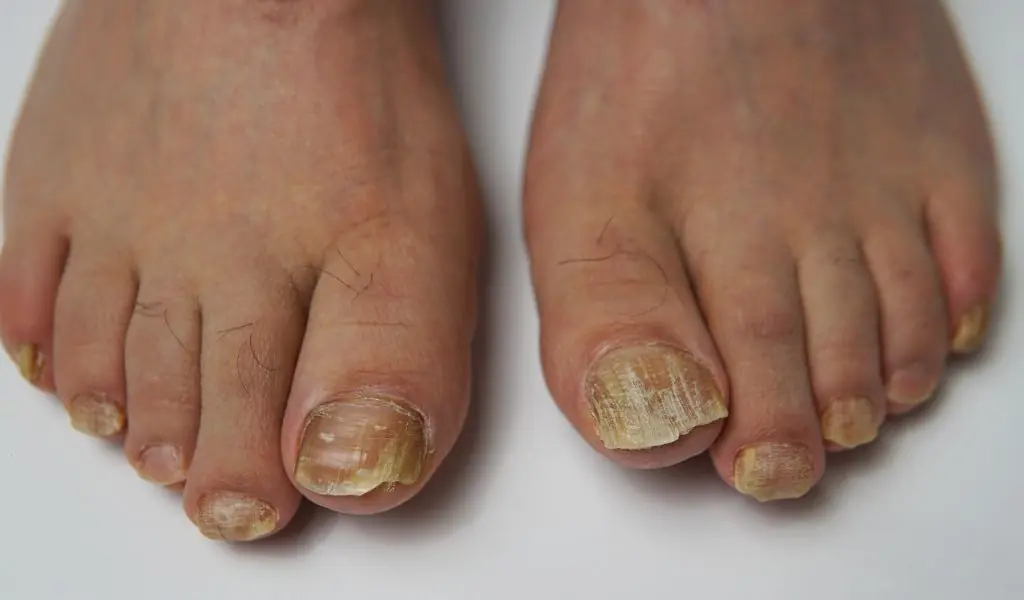
1. Spot the Difference: Fungal Infection or Something Else?
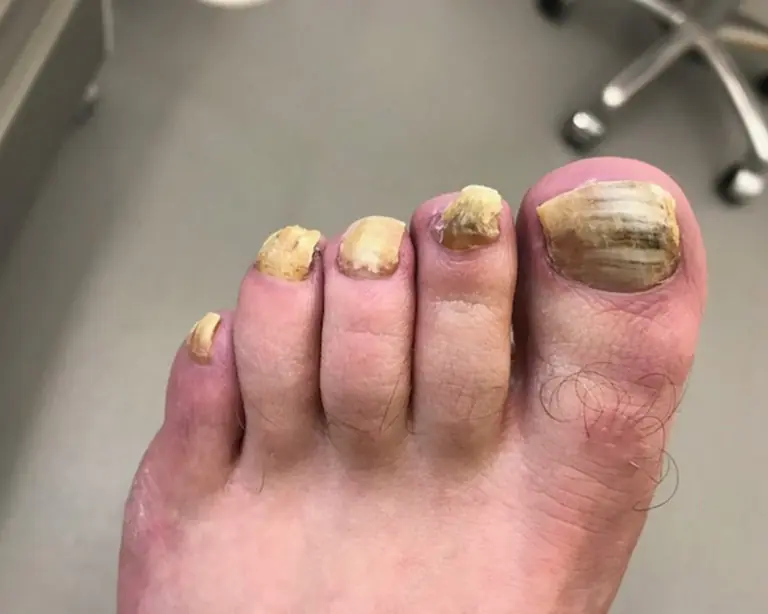
Thick, yellow toenails are most commonly caused by a fungal infection known as onychomycosis. This type of infection typically makes the nail brittle, crumbly, and may produce a noticeable odor. The nail often becomes distorted and may lift away from the nail bed over time.
However, fungus is not the only possible cause. Psoriasis can also affect the nails, causing thickening, discoloration, and pitting, but usually without odor. Trauma or repeated pressure from tight shoes can damage the nail matrix, leading to yellowing and thickening. In some cases, circulation problems or aging alone can cause similar changes.
A helpful clue is where the problem starts. Fungal infections often begin at the tip or sides of the nail and spread inward. If the entire nail changes at once, it may point to a systemic issue. Measuring nail thickness over time can also help track progression.
2. Quick At-Home Checks to Track How Bad It Really Is
You can do simple checks at home to monitor the severity of your condition. Gently press on the nail—pain or tenderness may indicate inflammation or infection underneath. Use a magnifying glass to look for separation between the nail and nail bed, flaking, or debris buildup.
Pay close attention to color changes. Black, green, or brown spots can suggest injury, bacterial infection, or even more serious conditions. Keep a weekly log with photos to track thickness, color, and discomfort. This record can be extremely useful when you see a healthcare provider.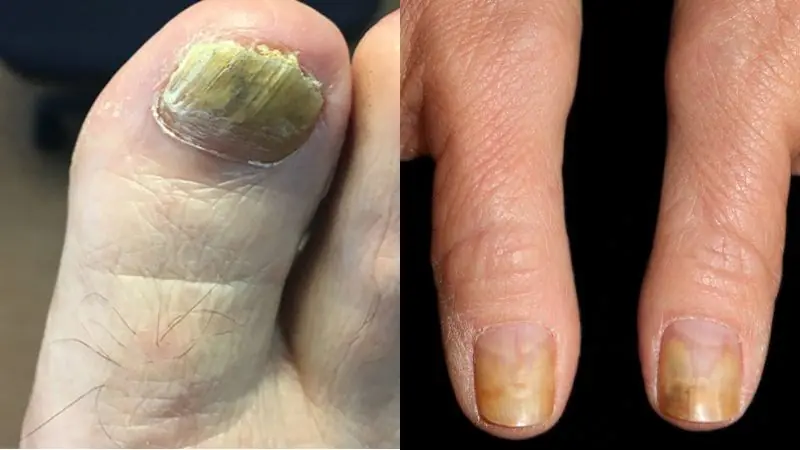
3. Keep Your Feet Dry: Simple Daily Habits That Slow the Fungus
Moisture is the enemy when it comes to nail fungus. Fungi thrive in warm, damp environments, so drying your feet thoroughly is essential. After showering, dry between the toes carefully. A hairdryer on a cool setting works well to remove hidden moisture.
Change socks daily and choose moisture-wicking fabrics like merino wool or synthetic blends. Avoid wearing the same shoes two days in a row. Letting them air out completely reduces fungal survival. Antifungal powder or spray inside shoes adds an extra layer of protection.
4. Trim and Thin Safely: How to Cut Thick Nails Without Hurting Yourself
Thick toenails are harder to cut and more prone to cracking. Soak your feet in warm water for 10 minutes to soften the nails before trimming. Use heavy-duty, straight-edge clippers designed for thick nails.
Trim straight across to avoid ingrown nails, taking small sections at a time. If the nail is very thick, gently file the surface with an emery board to thin it. Do not dig into the corners or cut too close to the skin, as this increases infection risk.
5. The Truth About Tea Tree Oil and Other Popular Home Remedies
Tea tree oil is widely used because of its antifungal properties. Applied directly to the nail twice daily, it may help slow fungal growth. To prevent irritation, dilute it with a carrier oil like coconut or olive oil.
Vinegar soaks (1 part vinegar to 2 parts water) can create an acidic environment that fungus dislikes. Soak for 15–20 minutes daily. Other remedies like garlic, baking soda, or essential oils may offer mild benefits, but results vary. These methods are supportive, not guaranteed cures.
6. Over-the-Counter Antifungal Options That Actually Help
Mild fungal infections can sometimes be managed with over-the-counter antifungal creams, sprays, or medicated nail lacquers. Look for ingredients such as clotrimazole, terbinafine, or undecylenic acid.
Apply consistently according to instructions. Treatment can take several months because toenails grow slowly. Combining medication with proper hygiene significantly improves success rates.
7. Viral Hacks on Social Media: What to Avoid and What Might Be Harmless
Not everything trending online is safe. Avoid harsh substances like bleach, hydrogen peroxide, or industrial cleaners. These can burn the skin and worsen the problem. Toothpaste, mouthwash, and glue-based hacks are ineffective and potentially harmful.
Some essential oils, such as oregano or lavender, may provide temporary relief when diluted, but they are not replacements for proper treatment. When in doubt, skip the hack.
8. Upgrade Your Socks and Shoes: Creating an Unfriendly Environment for Fungus
Breathable shoes made from leather or mesh reduce moisture buildup. Avoid tight footwear that traps heat and sweat. Moisture-wicking socks help keep feet dry throughout the day.
Cedar shoe inserts, antifungal insoles, and regular shoe disinfection sprays can reduce fungal presence. Small changes in footwear can make a big difference.
9. Clean, Disinfect, Repeat: Protecting Your Home From Re-Infection
Fungal spores can live on floors, towels, and bedding. Wash socks, towels, and sheets in hot water. Disinfect bathroom floors and shower surfaces regularly.
If possible, use a UV shoe sanitizer or antifungal spray for footwear. Good ventilation and lower humidity levels also reduce fungal survival in your home.
10. When Nail Polish, Acrylics, and Pedicures Make Things Worse
Nail polish and acrylics can trap moisture, creating a perfect breeding ground for fungus. If you use polish, choose breathable formulas designed for damaged nails.
Be cautious with pedicures. Unsanitary tools and shared footbaths can spread infection. Always choose salons that follow strict hygiene practices, or bring your own tools.
11. Blood Sugar, Circulation, and Other Hidden Health Links to Thick Yellow Nails
Conditions like diabetes, poor circulation, and immune disorders increase the risk of nail infections. High blood sugar weakens the body’s ability to fight fungi and slows healing.
If you notice numbness, tingling, slow wound healing, or frequent infections, it’s important to discuss these with your doctor. Improving overall health often improves nail health.
12. Red-Flag Symptoms: Signs You Should Not Wait for Your Appointment
Seek medical attention immediately if you notice:
-
Severe pain or swelling
-
Pus or strong odor
-
Rapid spreading of discoloration
-
Redness extending beyond the nail
-
Fever or signs of infection
People with diabetes or weakened immunity should never ignore nail infections.
13. How to Prepare for Your Doctor Visit to Get Faster, Better Treatment
Before your appointment, write down:
-
When symptoms started
-
Changes in color, thickness, or pain
-
Treatments already tried
Bring photos showing progression and any products you used. This helps your doctor make a faster, more accurate diagnosis and choose the best treatment plan.
Final Thoughts
Thick, yellow toenails are common and often treatable, especially when caught early. With proper hygiene, smart home care, and timely medical support, you can stop the problem from worsening and restore healthier nails.