Vegetables are widely known for their health benefits. They provide vitamins, minerals, antioxidants, and fiber that help protect the body from many diseases. However, health experts say that not all vegetables are completely safe in every situation. Some plants contain natural compounds that may become harmful if eaten raw, prepared incorrectly, or consumed in excessive amounts.
In recent years, researchers have also discovered that certain vegetables may carry substances that could increase the risk of chronic diseases, including cancer, if proper precautions are not taken. This does not mean these vegetables should be completely avoided, but it does mean people should understand how to prepare and consume them safely.
Fern Shoots: A Popular Dish With Hidden Concerns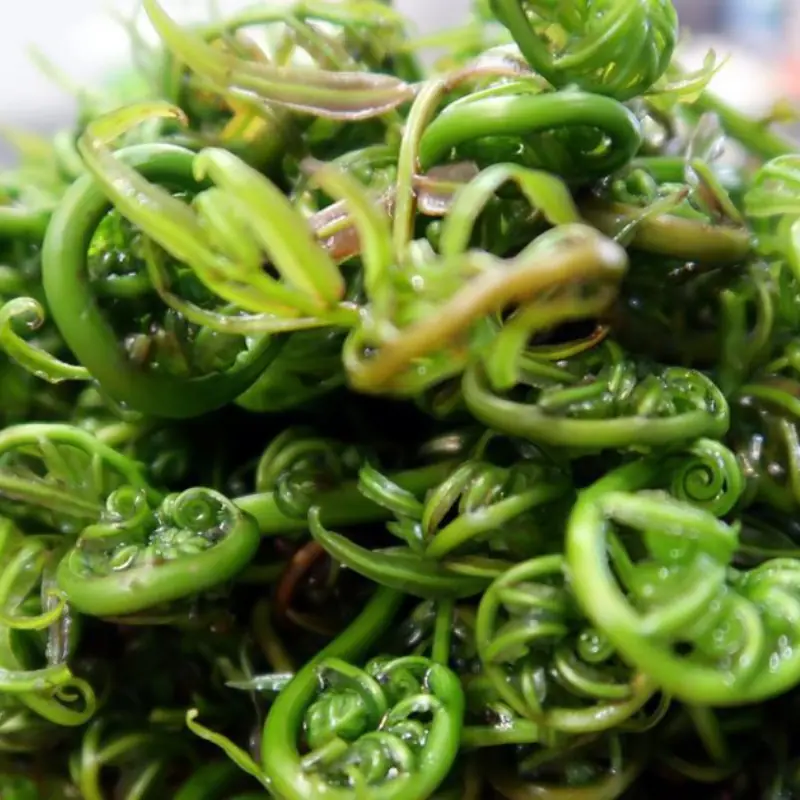
One vegetable that often raises discussion among experts is fern shoots, commonly known as fiddlehead ferns. These curly green shoots are popular in many traditional cuisines and are appreciated for their unique flavor and crunchy texture.
However, some studies suggest that certain species of fern contain natural toxins that may become harmful if consumed in large quantities or eaten raw. In particular, compounds found in some ferns have been linked in animal studies to potential cancer risks.
Health specialists recommend thoroughly cooking fern shoots before eating them. Boiling them for several minutes and discarding the cooking water can help reduce the level of potentially harmful compounds.
Pickled Vegetables and Fermented Greens
Another category that has been associated with higher cancer risk is heavily salted or pickled vegetables. While fermentation can offer health benefits in some cases, traditional pickling methods often involve large amounts of salt.
High salt intake has been linked to an increased risk of stomach cancer in several medical studies. Salt can damage the lining of the stomach and may make it easier for harmful bacteria to grow.
Pickled vegetables are not necessarily dangerous when eaten occasionally, but experts advise consuming them in moderation and balancing them with fresh vegetables.
Vegetables Grown in Contaminated Soil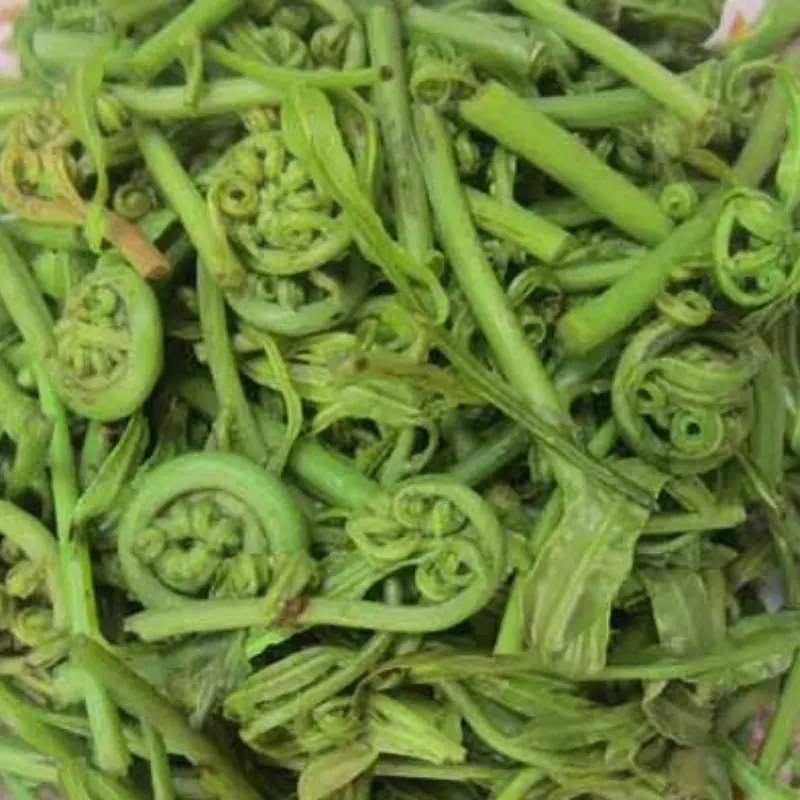
Vegetables grown in polluted environments can also pose potential health risks. Crops that absorb heavy metals such as arsenic, cadmium, or lead from contaminated soil or water may accumulate these substances in their leaves and stems.
Long-term exposure to heavy metals has been linked to various health problems, including cancer. Washing vegetables thoroughly and choosing produce from reliable sources can help reduce this risk.
Cooking Methods Matter
How vegetables are prepared can greatly influence their safety. Some plant compounds break down during cooking, making the vegetables safer to eat. For example, boiling, steaming, or stir-frying can reduce natural toxins that may be present in certain plants.
On the other hand, burning or charring vegetables at extremely high temperatures can create harmful chemicals. Maintaining balanced cooking methods is therefore important for preserving both flavor and safety.
Balance Is the Key to Healthy Eating
Nutrition experts emphasize that vegetables should remain an important part of a balanced diet. The key is variety and proper preparation. Eating different types of vegetables ensures the body receives a wide range of nutrients while minimizing the risk of excessive exposure to any single compound.
Consumers are encouraged to wash vegetables thoroughly, cook those that require heat treatment, and avoid excessive consumption of heavily salted or preserved foods.
Awareness Helps Protect Long-Term Health
Understanding the potential risks associated with certain vegetables does not mean people should stop eating them altogether. Instead, awareness allows individuals to make smarter choices in the kitchen.
By preparing vegetables properly and maintaining a balanced diet, people can continue to enjoy the nutritional benefits of plant-based foods while protecting their long-term health.