Potassium is one of the most important minerals the human body needs to function properly. It plays a crucial role in regulating muscle contractions, nerve signals, fluid balance, and heart function. However, many people do not realize that low potassium levels—also known as hypokalemia—can cause a wide range of symptoms that are often overlooked.
When potassium levels drop too low, the body begins to send warning signals. Recognizing these signs early can help prevent more serious health problems and allow people to correct the imbalance before it becomes dangerous.
Why Potassium Is So Important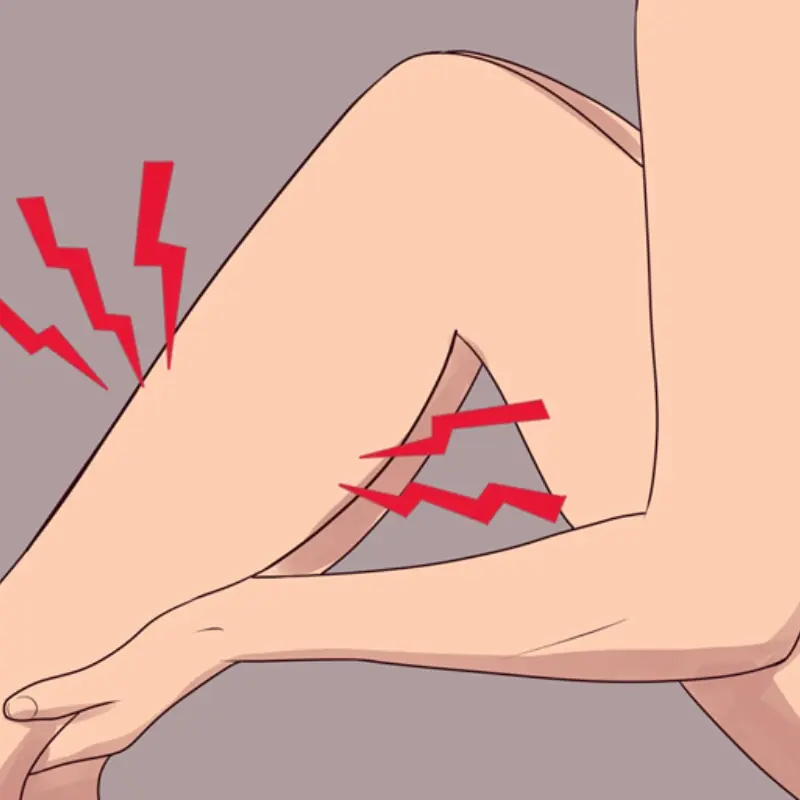
Potassium is an essential electrolyte that helps maintain the balance of fluids inside and outside cells. It also supports the electrical activity that controls muscles and nerves.
The mineral is especially important for the heart because it helps regulate heartbeat rhythm. When potassium levels fall below normal, the body may struggle to maintain normal muscle and nerve function.
Common causes of low potassium include poor diet, excessive sweating, dehydration, certain medications such as diuretics, and chronic health conditions.
Common Signs of Low Potassium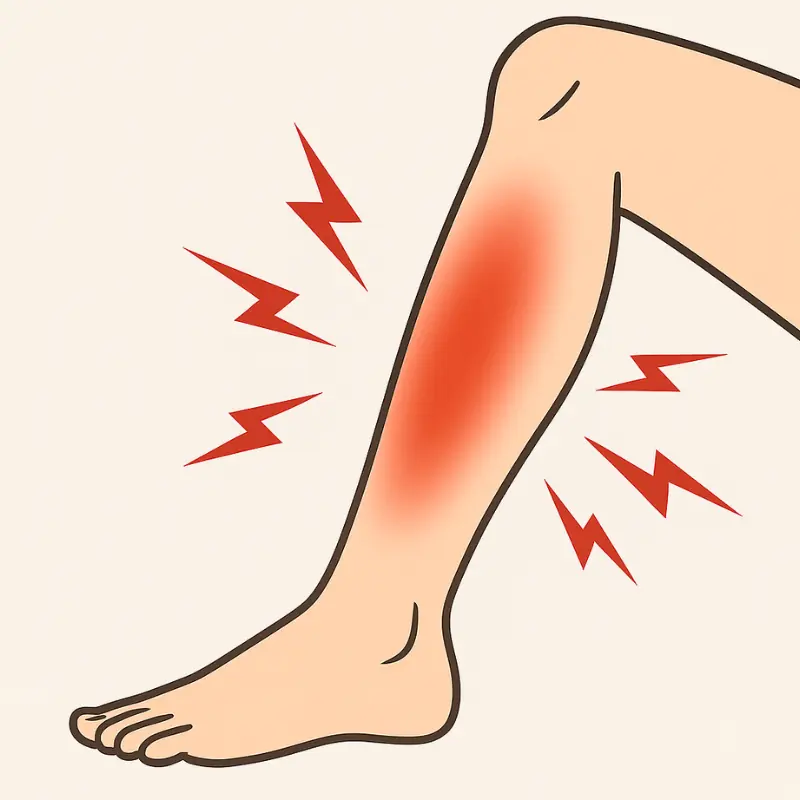
Low potassium does not always cause symptoms at first. However, as levels decrease, the body may begin to show several warning signs.
1. Muscle Weakness and Cramps
One of the most common symptoms of low potassium is muscle weakness. Potassium plays a key role in muscle contraction, so when levels are too low, muscles may not function properly.
People may experience muscle cramps, twitching, or sudden spasms, especially in the legs and thighs.
2. Fatigue and Lack of Energy
Low potassium can interfere with how cells produce energy. As a result, individuals may feel constantly tired or weak, even after getting enough rest.
Persistent fatigue can make daily activities more difficult and may affect overall productivity.
3. Irregular Heartbeat
Because potassium helps regulate heart rhythm, low levels can cause palpitations or irregular heartbeat. In severe cases, hypokalemia may lead to dangerous heart rhythm disturbances.
Anyone experiencing unusual heart sensations should seek medical attention promptly.
4. Tingling or Numbness
Another sign of low potassium is abnormal nerve function. Some people may experience tingling, numbness, or a “pins and needles” sensation in the arms or legs.
This happens because potassium is necessary for proper nerve signal transmission.
5. Muscle Pain or Leg Discomfort
Pain in the muscles, particularly in the legs, may also be related to low potassium. Some individuals report soreness or tightness after minimal physical activity.
The image above illustrates leg discomfort, which is one of the warning signals that potassium levels may be too low.
How to Restore Healthy Potassium Levels
Fortunately, mild potassium deficiency can often be corrected through dietary changes.
Foods rich in potassium include:
-
Bananas
-
Avocados
-
Sweet potatoes
-
Spinach and leafy greens
-
Beans and lentils
-
Yogurt
-
Salmon
Eating a balanced diet that includes these foods can help maintain healthy potassium levels and support overall health.
Staying hydrated is also important, especially for people who exercise frequently or live in hot climates.
When to See a Doctor
If symptoms such as persistent muscle weakness, heart palpitations, or severe fatigue occur, it is important to seek medical advice. Doctors can confirm potassium levels with a simple blood test and recommend appropriate treatment.
In some cases, potassium supplements may be prescribed, but they should only be taken under medical supervision.
A Simple Mineral with a Big Impact
Although potassium is often overlooked, it plays a vital role in maintaining overall health. Paying attention to the body's warning signs and maintaining a nutrient-rich diet can help prevent potassium deficiency.
By recognizing the early symptoms and making small lifestyle changes, people can protect their muscles, nerves, and heart while supporting long-term wellness.