6 Foods That Silently Drain Calcium From the Body – The More You Eat, the Weaker Your Bones May Become
Bones are the structural framework of the human body. Calcium is the key mineral that keeps bones strong, dense, and resilient. However, many people focus only on consuming calcium-rich foods such as milk, yogurt, or cheese, while overlooking a critical fact: some everyday foods can actually reduce calcium levels in the body.
Over time, regularly consuming certain foods may interfere with calcium absorption or increase calcium loss through the kidneys. This can gradually weaken bones, increasing the risk of osteoporosis, fractures, and joint problems.
Below are six common foods that may quietly drain calcium from your body if consumed excessively.
1. Excessive Salt (High-Sodium Foods)

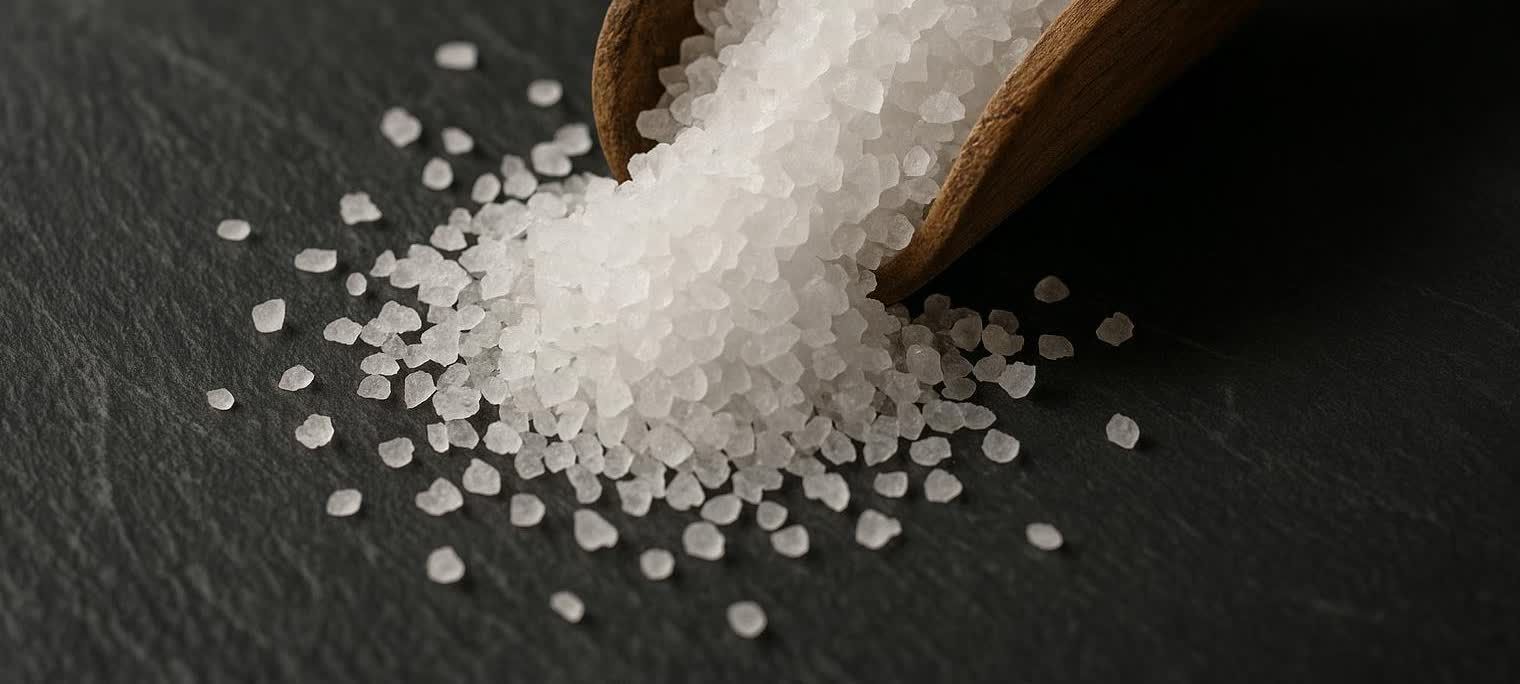
Salt is an essential nutrient, but too much sodium can accelerate calcium loss in the urine. When the kidneys filter excess sodium from the bloodstream, calcium is often excreted along with it.
This means that a high-sodium diet may gradually reduce calcium levels in the body. Over time, the body may begin pulling calcium directly from the bones to maintain balance in the blood.
Common high-sodium foods include:
-
Processed meats (sausages, bacon, ham)
-
Instant noodles and packaged soups
-
Potato chips and salty snacks
-
Fast food and restaurant meals
Studies suggest that every additional gram of sodium consumed may increase calcium loss in urine. If this continues for years, bone density may decline.
Tip: Try to limit sodium intake and choose fresh foods whenever possible.
2. Sugary Soft Drinks and Soda


Soft drinks are extremely popular, especially among young people. However, regular consumption of soda has been linked to reduced bone density.
There are two main reasons:
First, many sodas contain phosphoric acid, which can disrupt the calcium-phosphorus balance in the body. When phosphorus levels become too high relative to calcium, the body may compensate by drawing calcium from bones.
Second, people who drink soda often replace healthier beverages like milk. This reduces overall calcium intake.
Research has found that individuals who frequently consume cola beverages may have lower bone mineral density, particularly in the hips.
Tip: Replace soda with water, herbal tea, or calcium-rich drinks.
3. Excessive Caffeine



Coffee is loved worldwide, and moderate caffeine intake is generally safe. However, large amounts of caffeine can slightly increase calcium loss through urine.
While the effect may seem small, daily high caffeine consumption can gradually add up, especially if calcium intake is low.
Sources of caffeine include:
-
Coffee
-
Energy drinks
-
Strong tea
-
Certain soft drinks
Some studies suggest that each cup of coffee may reduce calcium retention slightly, especially in older adults.
This doesn’t mean you need to eliminate coffee completely. The key is moderation.
Tip: If you drink coffee daily, ensure your diet includes sufficient calcium sources such as dairy products, leafy greens, or fortified foods.
4. Highly Processed Meats
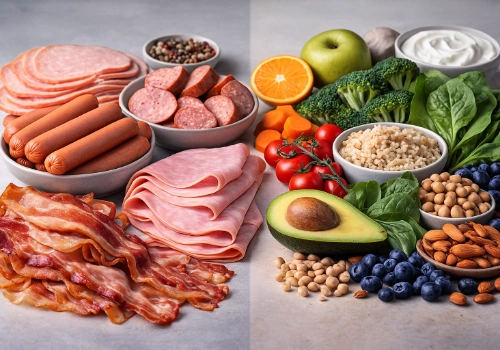


Processed meats such as bacon, sausages, and deli meats are convenient and flavorful. However, they often contain large amounts of sodium, preservatives, and additives.
These ingredients can negatively impact bone health in several ways:
-
High sodium increases calcium loss in urine
-
Preservatives may affect mineral balance
-
Processed diets often lack nutrients essential for bone strength
Additionally, people who consume large quantities of processed meats may eat fewer fresh vegetables and calcium-rich foods.
Tip: Choose fresh lean meats, fish, or plant-based protein sources instead of processed meats whenever possible.
5. Alcohol in Excess


Moderate alcohol consumption may not significantly affect bone health. However, excessive alcohol intake can interfere with calcium balance and bone formation.
Alcohol can:
-
Reduce the body’s ability to absorb calcium
-
Interfere with vitamin D metabolism
-
Disrupt hormone levels that regulate bone growth
Long-term heavy drinking has been associated with lower bone density and increased fracture risk.
Additionally, alcohol may increase the likelihood of falls, which further raises the risk of bone injuries.
Tip: Limit alcohol consumption and maintain a balanced diet rich in minerals.
6. Foods High in Oxalates



Oxalates are natural compounds found in certain plant foods. While many of these foods are nutritious, oxalates can bind to calcium in the digestive tract, reducing the amount of calcium the body absorbs.
Foods high in oxalates include:
-
Spinach
-
Beet greens
-
Rhubarb
-
Certain nuts
This doesn’t mean these foods are unhealthy. In fact, many contain valuable vitamins and antioxidants. The issue arises when high-oxalate foods dominate the diet without adequate calcium sources.
Cooking methods such as boiling may reduce oxalate levels.
Tip: Pair oxalate-rich vegetables with calcium-rich foods to improve absorption balance.
Protecting Your Bones: Simple Habits That Matter
While some foods may reduce calcium levels when consumed excessively, the solution isn’t strict elimination. Balance and moderation are the key principles of long-term bone health.
To keep bones strong:
-
Consume calcium-rich foods regularly
-
Maintain adequate vitamin D levels
-
Engage in weight-bearing exercise
-
Limit highly processed foods
-
Moderate caffeine, sodium, and alcohol intake
Bone health is a lifelong investment. Small dietary choices made every day can have a significant impact over decades.