10 Early Signs of Dementia You Should Never Ignore
Dementia is a broad term used to describe a group of conditions that affect memory, thinking ability, and daily functioning. It is not a normal part of aging, although the risk increases with age. Many people assume that occasional forgetfulness is harmless, but when cognitive changes begin to interfere with everyday life, they may indicate something more serious.
Early detection of dementia is important because it allows individuals and families to seek medical evaluation, plan care, and adopt lifestyle changes that may slow cognitive decline. Recognizing early warning signs can help ensure that proper support and treatment begin as soon as possible.
Below are ten early signs of dementia that should never be ignored.
1. Memory Loss That Disrupts Daily Life



One of the most recognizable early signs of dementia is persistent memory loss, particularly involving recently learned information.
People may repeatedly ask the same questions, forget important dates or appointments, or rely heavily on reminders and notes. While occasional forgetfulness is normal, dementia-related memory loss tends to progress and interfere with routine activities.
Individuals might also struggle to recall conversations that occurred earlier in the day or forget events that recently happened.
2. Difficulty Planning or Solving Problems


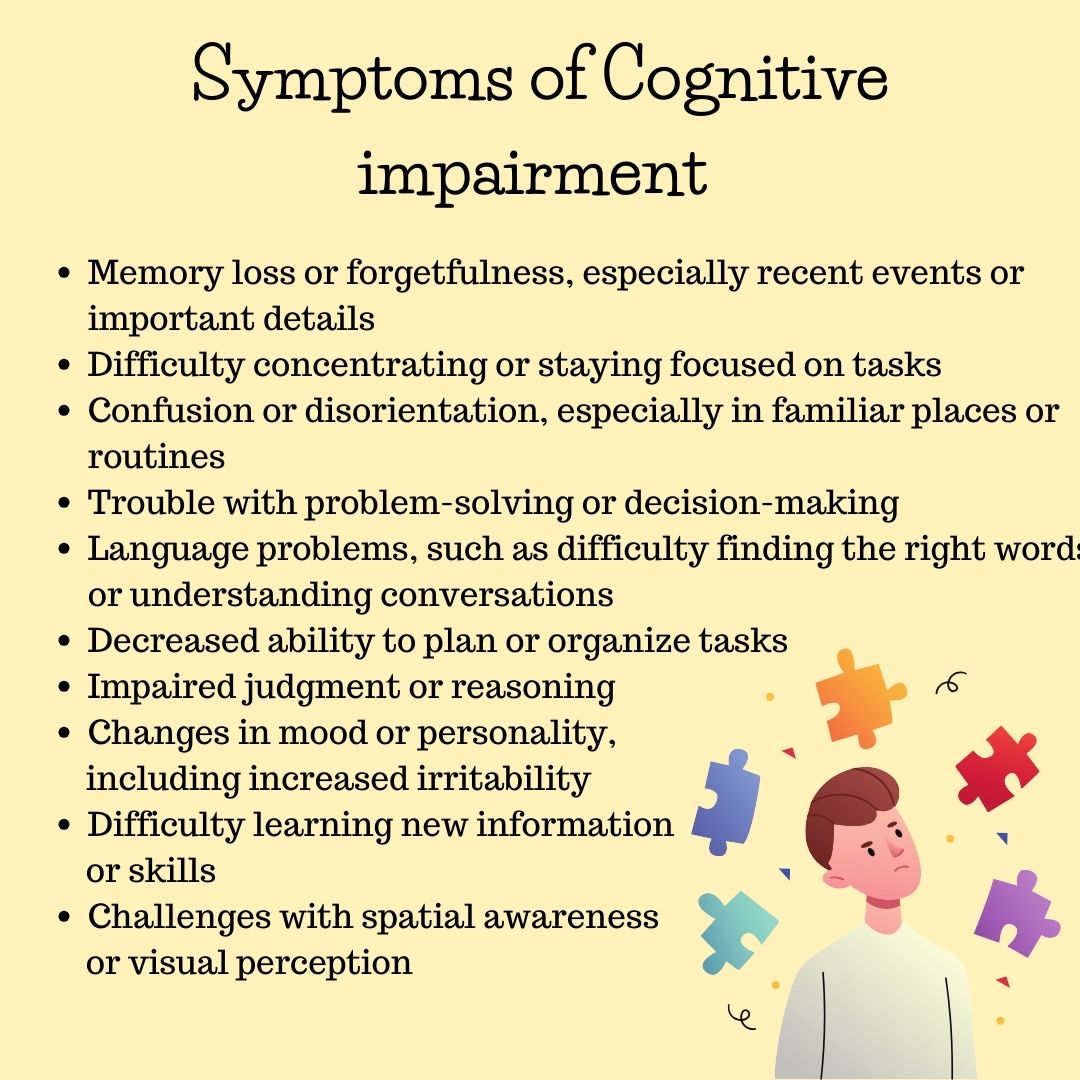
Another early sign is trouble with tasks that require concentration or logical thinking.
This may include difficulties with:
-
Managing finances
-
Following familiar recipes
-
Completing multi-step tasks
Activities that once felt routine may suddenly become overwhelming or confusing.
People with early dementia may also take significantly longer to perform tasks that previously required little effort.
3. Difficulty Completing Familiar Tasks



Individuals experiencing cognitive decline may struggle with everyday activities they once handled easily.
Examples include:
-
Getting lost while driving a familiar route
-
Forgetting how to operate common household appliances
-
Difficulty organizing daily routines
These changes occur because dementia affects brain regions responsible for memory, sequencing, and spatial awareness.
4. Confusion With Time or Place



People with dementia may lose track of dates, seasons, or the passage of time.
They might forget where they are or how they arrived at a particular place. Some individuals also become disoriented in environments that were previously familiar.
This confusion occurs because dementia interferes with the brain’s orientation and memory processing systems.
5. Trouble Understanding Visual Images or Spatial Relationships


Some forms of dementia affect the brain’s ability to process visual information.
People may experience:
-
Difficulty reading
-
Problems judging distance
-
Trouble recognizing objects
These changes can increase the risk of accidents or falls, especially when walking or driving.
6. Problems With Speaking or Writing


Language difficulties are another common early sign of dementia.
Individuals may have trouble following or joining conversations. They might pause frequently while speaking because they cannot find the right words.
In some cases, people repeat themselves or stop speaking mid-sentence because they lose track of what they were saying.
7. Misplacing Things and Losing the Ability to Retrace Steps



People with dementia may place objects in unusual locations, such as putting keys in the refrigerator or leaving important items in unexpected places.
Unlike typical forgetfulness, they may lose the ability to retrace their steps to find the item again.
This may sometimes lead to suspicion that others have taken their belongings.
8. Poor Judgment or Decision Making



Cognitive decline can affect judgment and reasoning.
People may make unusual financial decisions, neglect personal hygiene, or show poor awareness of safety risks.
Examples include giving large sums of money to strangers or dressing inappropriately for weather conditions.
9. Withdrawal From Social Activities



Individuals experiencing early dementia may withdraw from hobbies, social events, or family gatherings.
This often happens because they feel embarrassed about memory problems or find conversations more difficult to follow.
As cognitive changes progress, people may prefer isolation rather than situations that require mental effort.
10. Changes in Mood or Personality


Dementia can significantly affect emotions and personality.
People may become:
-
More anxious or suspicious
-
Easily irritated or frustrated
-
Depressed or withdrawn
These changes often appear because the brain regions that regulate emotions and behavior are affected.
Why Early Detection Matters
Although dementia currently has no cure, early diagnosis can help slow progression and improve quality of life.
Medical professionals may recommend treatments, cognitive therapy, lifestyle adjustments, and support programs to help manage symptoms.
Healthy lifestyle habits that support brain health include:
-
Regular physical exercise
-
Mental stimulation
-
Balanced nutrition
-
Adequate sleep
-
Social engagement
These habits may help support cognitive function as people age.
Pay Attention to Early Changes
Occasional forgetfulness can happen to anyone. However, persistent memory problems, confusion, and behavioral changes should never be ignored.
Recognizing early warning signs allows individuals and families to seek medical advice and take steps toward maintaining cognitive health and independence for as long as possible.