It happens in almost every kitchen. A bag of potatoes sits in a cupboard for a little too long, and when you finally check it, small white or green shoots have begun to grow from the surface. At that moment, many people assume the potatoes have gone bad and immediately throw them away.
But sprouting potatoes don’t always have to end up in the trash. In fact, with the right approach, they can still serve a useful purpose. Whether it’s planting them to grow new potatoes, using them in creative household ways, or understanding when they are still safe to cook, there are several practical options that can turn what looks like waste into something valuable.
Before you toss those sprouting potatoes, it’s worth learning how they can still be used wisely.
Why Potatoes Start Sprouting
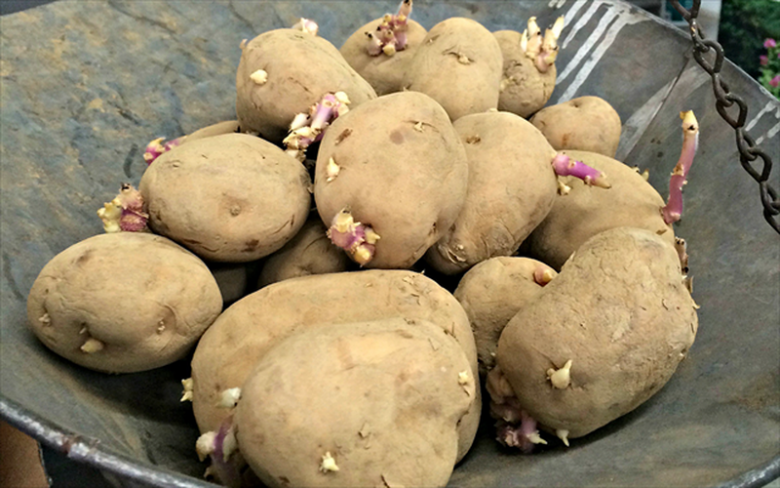
Potatoes are living plant organs known as tubers. Even after they are harvested, they still contain the biological ability to grow new plants. When potatoes are stored for long periods—especially in warm or humid environments—they begin preparing for the next growth cycle.
Small sprouts start emerging from the “eyes” of the potato. This process is completely natural. It simply means the potato is trying to grow into a new plant.
However, sprouting also changes the chemical composition of the potato over time, which is why it’s important to know how to handle them properly.
When Sprouted Potatoes Are Still Usable
If a potato has just started sprouting and still feels firm, it may still be usable for cooking.
In these cases:
-
Remove the sprouts completely.
-
Cut away any green areas of the skin.
-
Cook the potato thoroughly.
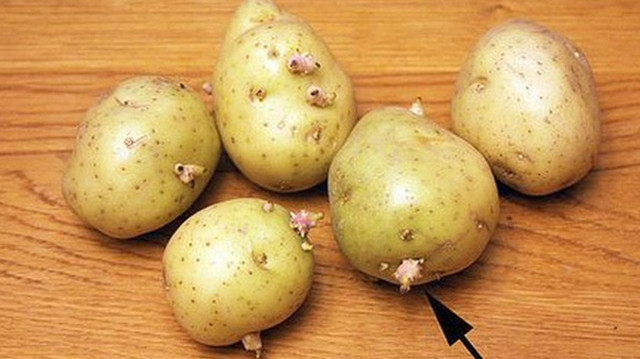
Small sprouts do not necessarily mean the potato is unsafe, but once the potato becomes very soft, shriveled, or heavily green, it should no longer be eaten.
The green color indicates the presence of solanine, a natural compound that can cause digestive discomfort if consumed in large amounts.
For cooking, freshness and firmness are the key indicators.
The Simple Trick: Planting Sprouted Potatoes
One of the most effective and sustainable ways to use sprouting potatoes is to plant them.
Because the sprouts are already beginning the growth process, they can easily develop into new potato plants.
This simple method turns food waste into fresh produce.
How to Plant Sprouting Potatoes
-
Cut the potato into sections.
Each piece should contain at least one sprout or “eye.” -
Let the pieces dry for a day.
This allows the cut surfaces to form a protective layer, reducing the risk of rot. -
Plant the pieces in soil.
Place them about 10–15 centimeters deep with the sprouts facing upward. -
Water regularly.
Potatoes grow best in loose, well-drained soil with moderate sunlight.
Within weeks, green shoots will begin to emerge from the soil. Over time, the plant will produce new potatoes underground.
From just one sprouted potato, several new plants can grow.
Growing Potatoes in Small Spaces
You don’t need a large garden to grow potatoes. Many people successfully grow them in:
-
Containers
-
Buckets
-
Grow bags
-
Raised garden beds
As the plant grows taller, soil can be gradually added around the base of the stem. This encourages the plant to produce more tubers underground.
This method is sometimes called “hilling.”
Even in small urban spaces, it is possible to grow a surprising number of potatoes from just a few sprouting ones.
Environmental Benefits of Reusing Sprouted Potatoes
Food waste is a global issue. According to international studies, a significant percentage of food produced worldwide is discarded before it is consumed.
Reusing sprouted potatoes by planting them offers several benefits:
-
Reduces household food waste
-
Saves money on groceries
-
Encourages home gardening
-
Promotes sustainable living
Small habits like this can make a meaningful difference over time.
Other Creative Uses for Sprouted Potatoes
If planting isn’t an option, sprouted potatoes may still have other household uses.
Natural Plant Fertilizer
Potatoes contain nutrients such as potassium and small amounts of phosphorus. Old potatoes can be composted or blended into organic fertilizer for garden plants.
Compost Material
Adding sprouted potatoes to compost bins contributes valuable organic matter that enriches soil.
Garden Pest Deterrent
In some cases, decomposing potatoes are used in compost teas that help nourish soil microbes, supporting healthier plant growth.
These uses help ensure that the potato still serves a purpose rather than becoming waste.
When You Should Definitely Throw Them Away
While sprouted potatoes can sometimes be salvaged, there are situations where disposal is the safest option.
You should discard potatoes if they are:
-
Very soft or mushy
-
Extremely wrinkled
-
Covered with large green patches
-
Emitting an unpleasant smell
These signs indicate that the potato has deteriorated beyond safe use.
Safety should always come first.
Tips to Prevent Potatoes from Sprouting Too Quickly
Proper storage can extend the life of potatoes and delay sprouting.
Helpful storage tips include:
-
Keep potatoes in a cool, dark place
-
Avoid refrigeration (very cold temperatures change starch to sugar)
-
Store them in breathable bags rather than sealed plastic
-
Keep them away from onions, which release gases that accelerate sprouting
Under ideal conditions, potatoes can last several weeks or even months.

The Value of Rethinking “Waste”
Many items we discard too quickly still have value when used creatively. Sprouted potatoes are a perfect example.
What looks like spoiled food may actually be the beginning of a new plant or a useful addition to compost. With a little knowledge, simple kitchen scraps can become tools for sustainability.
This mindset encourages smarter use of resources and a deeper appreciation for how food grows and evolves.
Final Thoughts
Sprouting potatoes may seem like a sign that it’s time to throw them away, but that’s not always the case. If the potatoes are still firm, the sprouts can be removed and the potatoes cooked safely. Even better, those sprouts can be used to grow entirely new potato plants.
Planting sprouted potatoes is an easy and rewarding way to reduce waste, save money, and connect with the natural cycle of food production.
Before tossing those sprouting potatoes in the trash, consider giving them a second life. With a simple trick and a bit of patience, they might turn into an unexpectedly fruitful harvest.