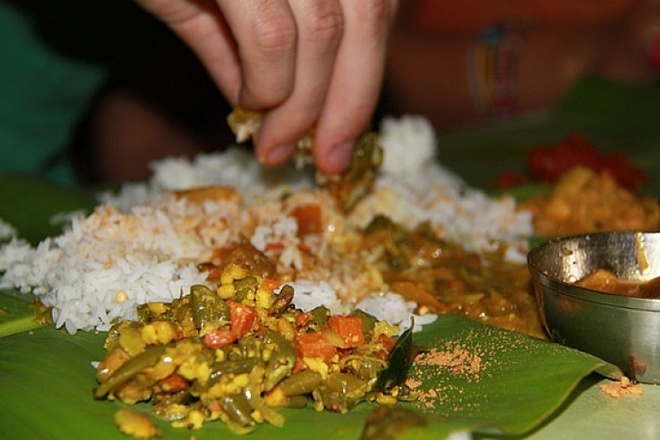
Visitors to India often notice a distinctive cultural habit: many people eat with their right hand instead of using utensils. What may be even more surprising is that this custom is followed even by individuals who are naturally left-handed.
At first glance, this might seem unusual or even inconvenient. However, the practice has deep cultural, historical, and practical roots. It reflects centuries of social tradition, hygiene practices, and philosophical beliefs that continue to shape everyday life in many parts of India today.
Understanding this custom offers insight into how culture influences even the smallest details of daily behavior.
The Cultural Importance of the Right Hand
In many traditional Indian communities, the right hand is associated with purity, respect, and positive actions.
Historically, the right hand has been used for:
-
Eating food
-
Greeting others
-
Offering gifts
-
Performing religious rituals
The left hand, by contrast, has traditionally been reserved for tasks considered less clean, particularly personal hygiene activities.
Because of this distinction, using the right hand for eating became a widely accepted social norm.
This cultural division between the two hands developed long before modern sanitation systems and continues to be observed today out of respect for tradition.
A Practice Rooted in Hygiene
Before the widespread availability of toilet paper and modern plumbing, people in many regions used water and the left hand for cleaning after using the restroom.
To maintain cleanliness during meals, the right hand was kept separate from these tasks.
This simple system helped prevent contamination during food preparation and eating. Even though modern hygiene practices have evolved, the cultural habit has remained.
In social settings, using the right hand to eat or pass food is still considered polite and hygienic.
Religious and Spiritual Symbolism
In several Indian religious traditions, particularly Hinduism, the right hand carries symbolic meaning.
During religious ceremonies and offerings, the right hand is used to:
-
Present food to deities
-
Distribute sacred items
-
Perform ritual gestures
Because food itself is often considered sacred or blessed, the act of eating with the right hand reflects respect toward the meal.
This perspective transforms eating into more than just nourishment—it becomes a mindful and respectful activity.
The Philosophy of Eating with the Hands
In Indian culture, eating with the hands is not seen as improper. In fact, many believe it enhances the eating experience.
Using the fingers allows people to:
-
Feel the temperature and texture of food
-
Mix ingredients properly before eating
-
Control portion size more naturally
Traditional Indian meals often include rice, bread, lentils, and sauces. Using the hand allows diners to combine these components in balanced bites.
This sensory connection between food and the body is sometimes described as a way to engage all five senses during a meal.
Why Even Left-Handed People Follow the Tradition
Even individuals who naturally use their left hand for writing or other tasks often switch to their right hand when eating.
This adaptation is typically taught in childhood as part of social etiquette.
The reason is not meant to suppress left-handedness but rather to follow a shared cultural norm during communal activities such as meals.
By using the right hand, individuals participate in a tradition that emphasizes cleanliness, respect, and social harmony.
In many households, children learn this habit early, just as they learn table manners in other cultures.
Modern India and Changing Habits
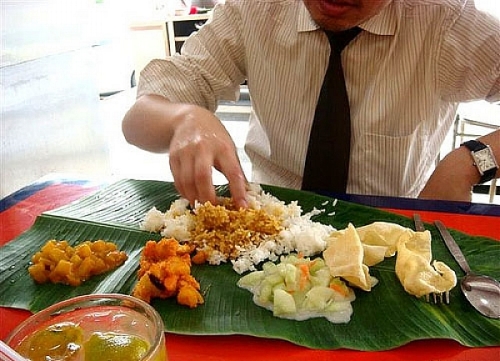
India today is a diverse and rapidly modernizing society. In urban areas, especially among younger generations, eating with utensils has become more common.
Nevertheless, the tradition of using the right hand remains strong in many homes and restaurants.
Even when utensils are available, people may still use their hands for certain foods such as:
-
Flatbreads like roti or naan
-
Rice dishes
-
Street food snacks
The practice is not strictly enforced but is widely respected.
Visitors to India are not expected to follow the custom perfectly, but many locals appreciate when guests make the effort.
A Gesture of Respect in Social Settings
In addition to eating, the right hand is often used when:
-
Giving or receiving money
-
Passing items to someone
-
Greeting elders
Using the left hand for these actions may be considered impolite in traditional contexts.
This emphasis on the right hand reflects broader cultural values about respect and social interaction.
Understanding Cultural Context
It is important to remember that customs surrounding eating vary greatly across the world.
In some cultures, eating with hands is common and celebrated. In others, utensils are considered essential.
Neither approach is inherently superior. Each reflects historical conditions, environmental factors, and social values that developed over time.
In India, eating with the right hand is part of a broader cultural framework that combines practicality, tradition, and symbolism.
Final Thoughts
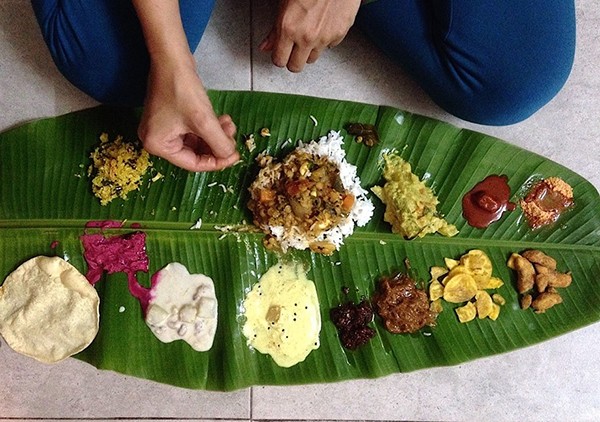
The practice of eating with the right hand in India is not simply a matter of habit. It represents a blend of hygiene practices, religious symbolism, cultural etiquette, and sensory appreciation of food.
Even left-handed individuals often adopt the custom out of respect for shared tradition.
What might seem unusual at first reveals a deeper cultural philosophy: meals are not just about nourishment but about mindfulness, respect, and connection.
Understanding traditions like this reminds us that everyday actions — even something as simple as which hand we use to eat — can carry layers of history and meaning.
Sometimes, the smallest customs tell the richest cultural stories.