The Beverage That ‘Feeds’ Cancer Cells? What Science Says About Daily Drink Choices
Many alarming headlines claim that certain beverages can “feed cancer cells” or dramatically increase cancer risk. While these statements can sound frightening, the truth is more complex. Cancer is influenced by many factors, including genetics, lifestyle, environment, and long-term dietary habits.
However, research has shown that frequent consumption of some beverages—especially those high in added sugar—may contribute to conditions that increase cancer risk over time, such as obesity, chronic inflammation, and metabolic imbalance.
Understanding how certain drinks affect the body can help people make healthier choices and support long-term wellness.
1. Sugary Drinks and Their Impact on the Body

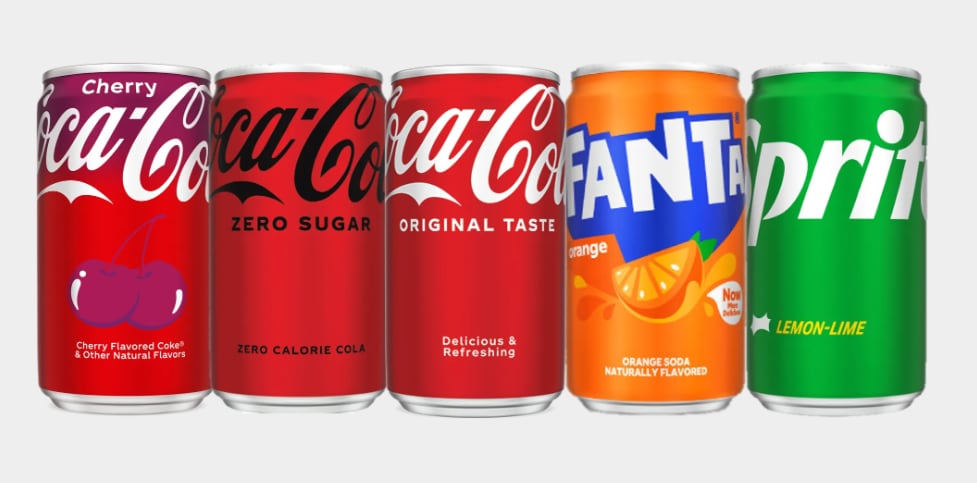

Sugary beverages are among the most commonly discussed drinks when it comes to long-term health risks.
These include:
-
Soft drinks
-
Sweetened fruit drinks
-
Flavored iced teas
-
Sugary sports drinks
Many of these beverages contain large amounts of added sugar, often in the form of high-fructose corn syrup or other sweeteners.
Excessive sugar intake can lead to several metabolic changes, including:
-
Increased body fat
-
Insulin resistance
-
Elevated blood sugar levels
-
Chronic inflammation
These conditions are known to be associated with higher risks of several diseases, including heart disease, diabetes, and some cancers.
While drinking a sugary beverage occasionally is unlikely to cause harm, daily high intake may contribute to long-term health problems.
2. The Relationship Between Sugar and Cancer



A common misconception is that sugar directly “feeds” cancer cells. In reality, all cells in the body—including healthy cells—use glucose (a type of sugar) as a source of energy.
Cancer cells do tend to consume glucose at a higher rate than normal cells, which is why medical imaging techniques like PET scans use glucose-based tracers to detect tumors.
However, this does not mean that sugar alone causes cancer. The more accurate explanation is that diets high in sugar may promote conditions that support tumor growth indirectly, such as:
-
Obesity
-
Insulin resistance
-
Chronic inflammation
These metabolic changes can influence hormone levels and cellular environments that may contribute to cancer development over long periods.
3. Other Beverages That May Affect Long-Term Health


Besides soda, several other drinks can contain unexpectedly high amounts of sugar.
These include:
-
Energy drinks
-
Sweetened coffee beverages
-
Packaged fruit juices
-
Flavored milk drinks
Many of these beverages are marketed as refreshing or energizing but may contain as much sugar as dessert foods.
Regular consumption can increase daily calorie intake without providing much nutritional value.
Over time, this pattern may contribute to weight gain and metabolic stress, both of which are linked to increased risks of chronic diseases.
4. Healthier Drink Choices for Everyday Life


Fortunately, maintaining healthy beverage habits does not require eliminating enjoyment from drinks.
Health experts often recommend choosing beverages that support hydration without excessive sugar.
Some healthier options include:
-
Plain water
-
Sparkling water without added sugar
-
Herbal teas
-
Freshly infused water with fruit or herbs
These choices provide hydration while avoiding excess calories and sugar intake.
Why Balance Matters More Than Fear
It is important to remember that no single food or drink determines whether someone will develop cancer. Long-term lifestyle patterns—including diet, physical activity, sleep, and environmental factors—play a much larger role.
Maintaining a balanced diet rich in whole foods, fruits, vegetables, and healthy proteins can help support the body’s natural defenses.
Reducing sugary beverage consumption is simply one step toward creating a healthier daily routine.
Small Daily Choices Can Make a Big Difference
Instead of focusing on fear-based claims, health experts encourage building sustainable habits that support overall wellness.
By choosing drinks wisely, staying physically active, and maintaining a balanced lifestyle, individuals can reduce many health risks and support their body’s long-term health.
Sometimes the most powerful health decisions come from small choices made consistently every day.