3 Warning Signs of an Imminent Heart Attack – Never Ignore These Symptoms
Heart disease remains one of the leading health concerns worldwide. A heart attack, medically known as myocardial infarction, occurs when blood flow to a portion of the heart muscle becomes blocked. When this happens, the heart tissue is deprived of oxygen and begins to suffer damage.
What many people do not realize is that the body often sends warning signals before a heart attack occurs. These early symptoms may appear hours, days, or even weeks before the event. Recognizing them quickly can make the difference between timely treatment and a life-threatening emergency.
Below are three critical warning signs that may indicate an impending heart attack. Being aware of these symptoms can help people seek medical care sooner and potentially prevent severe complications.
1. Chest Pain or Pressure


One of the most recognized symptoms of a heart attack is chest discomfort. Many people describe this feeling as pressure, tightness, squeezing, or a heavy weight on the chest.
The sensation may occur in the center or left side of the chest and can last for several minutes. In some cases, the discomfort may come and go.
Common descriptions include:
-
A feeling of tightness or compression in the chest
-
Burning or aching sensations
-
Pressure that spreads to other parts of the body
The pain may also radiate to nearby areas such as the left arm, shoulder, neck, jaw, or upper back. These symptoms occur because the nerves that carry pain signals from the heart share pathways with other parts of the body.
Although chest pain does not always indicate a heart attack, persistent or severe chest discomfort should always be treated as a medical emergency.
2. Shortness of Breath and Unusual Fatigue
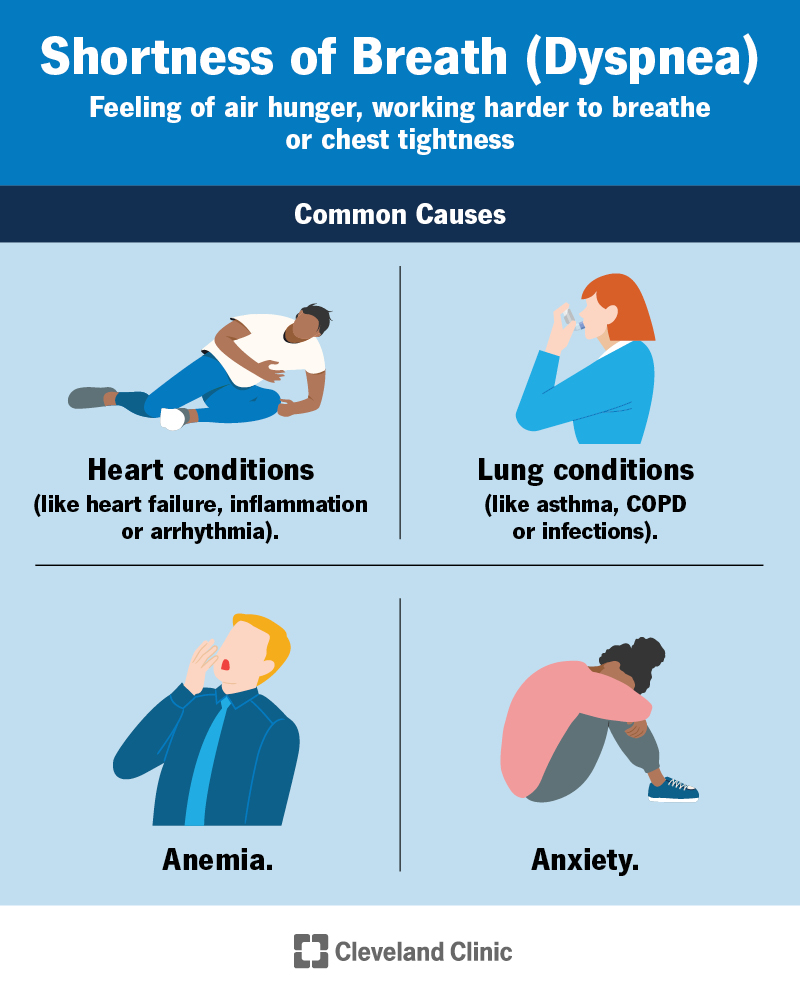


Another warning sign of an impending heart attack is unexplained shortness of breath, especially when it occurs without intense physical activity.
The heart plays a critical role in circulating oxygen-rich blood throughout the body. When blood flow to the heart becomes restricted, the body may struggle to maintain proper oxygen delivery.
As a result, individuals may experience:
-
Sudden breathlessness
-
Difficulty catching their breath
-
Extreme fatigue or weakness
These symptoms may occur during normal daily activities such as walking, climbing stairs, or even while resting.
Some individuals, particularly women, report unusual tiredness or exhaustion days before a heart attack. This fatigue may feel very different from normal tiredness and can persist even after rest.
3. Pain or Discomfort in Other Areas of the Body

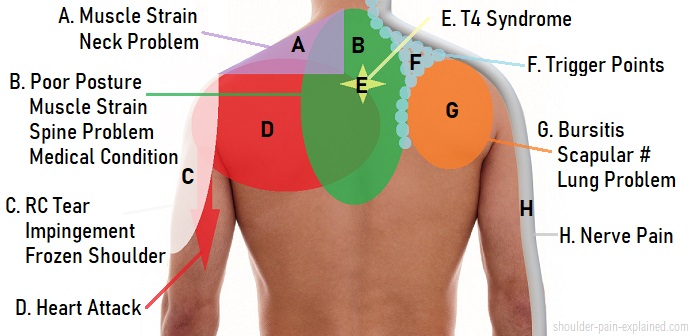
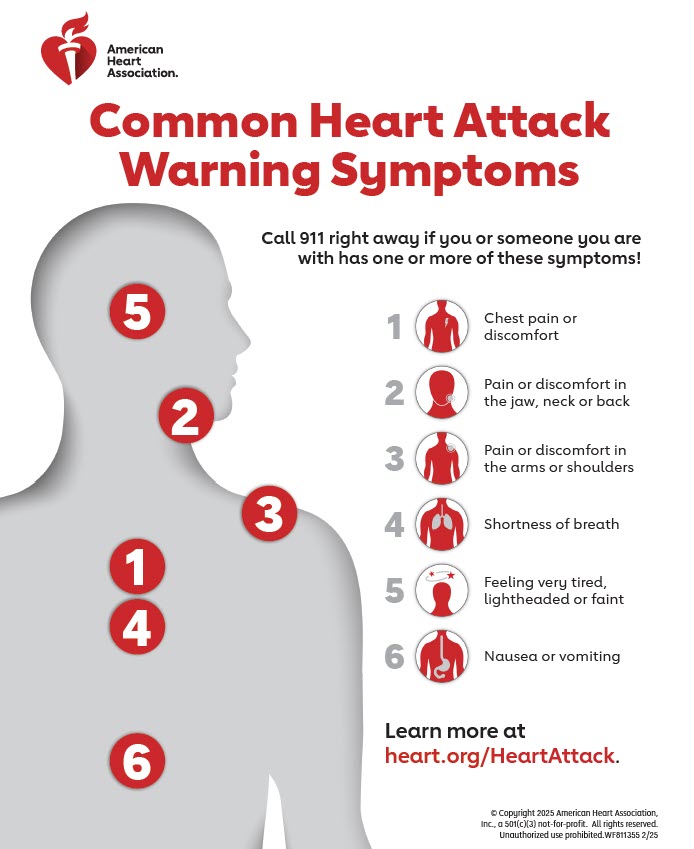
Heart attack symptoms are not always limited to the chest. Pain may spread to other areas due to the way nerves transmit signals from the heart to the brain.
This discomfort may appear in:
-
The left or right arm
-
The shoulders
-
The neck
-
The jaw
-
The upper back
Sometimes the pain may begin in these areas without noticeable chest pain. This can make the symptoms confusing, leading some people to mistake them for muscle strain or other minor conditions.
Because these sensations may occur alongside other symptoms such as nausea, sweating, or dizziness, any unusual or persistent pain in these regions should be evaluated promptly.
Why Early Recognition Is So Important
A heart attack occurs when a coronary artery becomes blocked, preventing oxygen from reaching part of the heart muscle. The longer this blockage remains untreated, the greater the damage to the heart tissue.
Prompt medical intervention can:
-
Restore blood flow
-
Reduce damage to heart muscle
-
Increase survival rates
Modern treatments such as medications, angioplasty, and stent placement are far more effective when administered quickly.
For this reason, recognizing early symptoms and seeking immediate medical care is essential.
Additional Symptoms That May Occur
Although the three signs discussed above are among the most common, other symptoms can also appear during a heart attack. These may include:
-
Cold sweats
-
Nausea or vomiting
-
Dizziness or lightheadedness
-
Sudden anxiety or a feeling of impending danger
Symptoms may vary between individuals, and some people experience mild or atypical warning signs.
Protecting Your Heart Health
Maintaining heart health involves adopting healthy lifestyle habits and monitoring risk factors. Important steps include:
-
Eating a balanced, heart-healthy diet
-
Exercising regularly
-
Maintaining a healthy weight
-
Managing blood pressure and cholesterol levels
-
Avoiding smoking
-
Reducing stress
Routine medical checkups can also help detect potential cardiovascular risks early.
Listen to Your Body’s Signals
The body often sends signals when something is wrong. Chest discomfort, breathing difficulty, and unusual pain should never be ignored, especially if they occur suddenly or persist.
Recognizing these warning signs and responding quickly can save lives. When it comes to heart health, awareness and prompt action are the most powerful tools for protection. ❤️