12 Strange Skin Signs That Could Reveal Hidden Diabetes
The skin is the body’s largest organ, and it often reflects what is happening internally. Many underlying health conditions can quietly affect the skin long before other symptoms appear. One condition that frequently reveals itself through skin changes is diabetes.
Diabetes affects how the body regulates blood sugar. When blood sugar levels remain high for long periods, they can damage blood vessels, nerves, and skin tissues. As a result, the skin may develop unusual changes that serve as early warning signs.
Recognizing these signs can help people seek medical attention sooner and manage the condition before complications develop.
Below are 12 unusual skin signs that may be linked to hidden or undiagnosed diabetes.
1. Dark, Velvety Skin Patches (Acanthosis Nigricans)


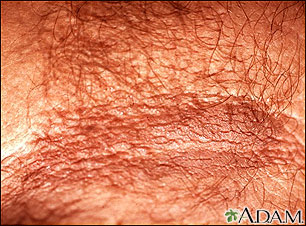
One of the most recognizable skin signs associated with diabetes is acanthosis nigricans, a condition that causes dark, thick, velvety patches of skin.
These patches often appear in body folds such as:
-
The back of the neck
-
Armpits
-
Groin
-
Elbows or knees
This change is often linked to insulin resistance, a condition in which the body’s cells do not respond properly to insulin. As insulin levels rise, they can stimulate skin cells to grow more rapidly, leading to thickened and darkened skin.
Although the patches themselves are usually painless, they may indicate an underlying metabolic imbalance that should be evaluated.
2. Skin Tags Appearing Suddenly
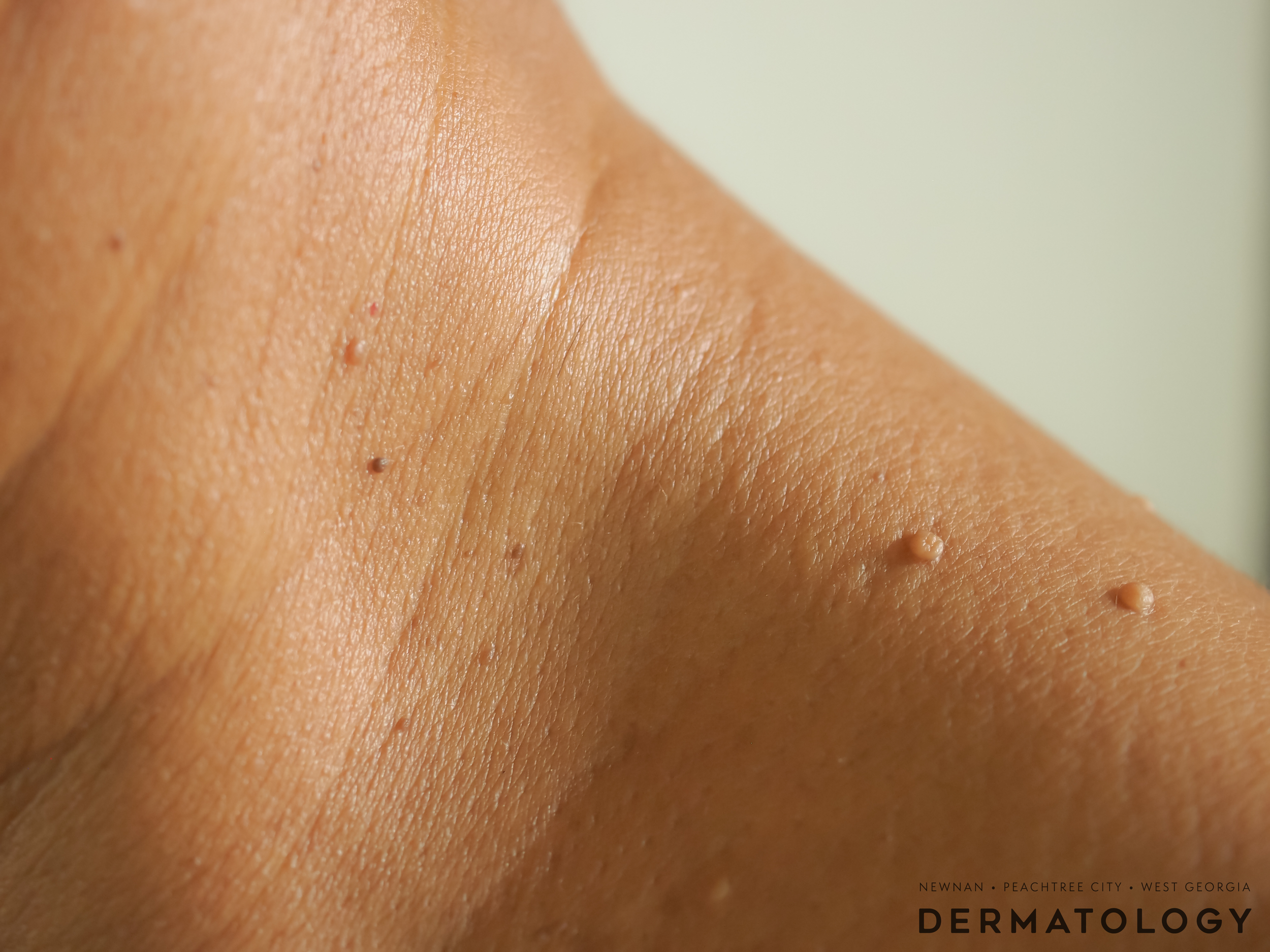
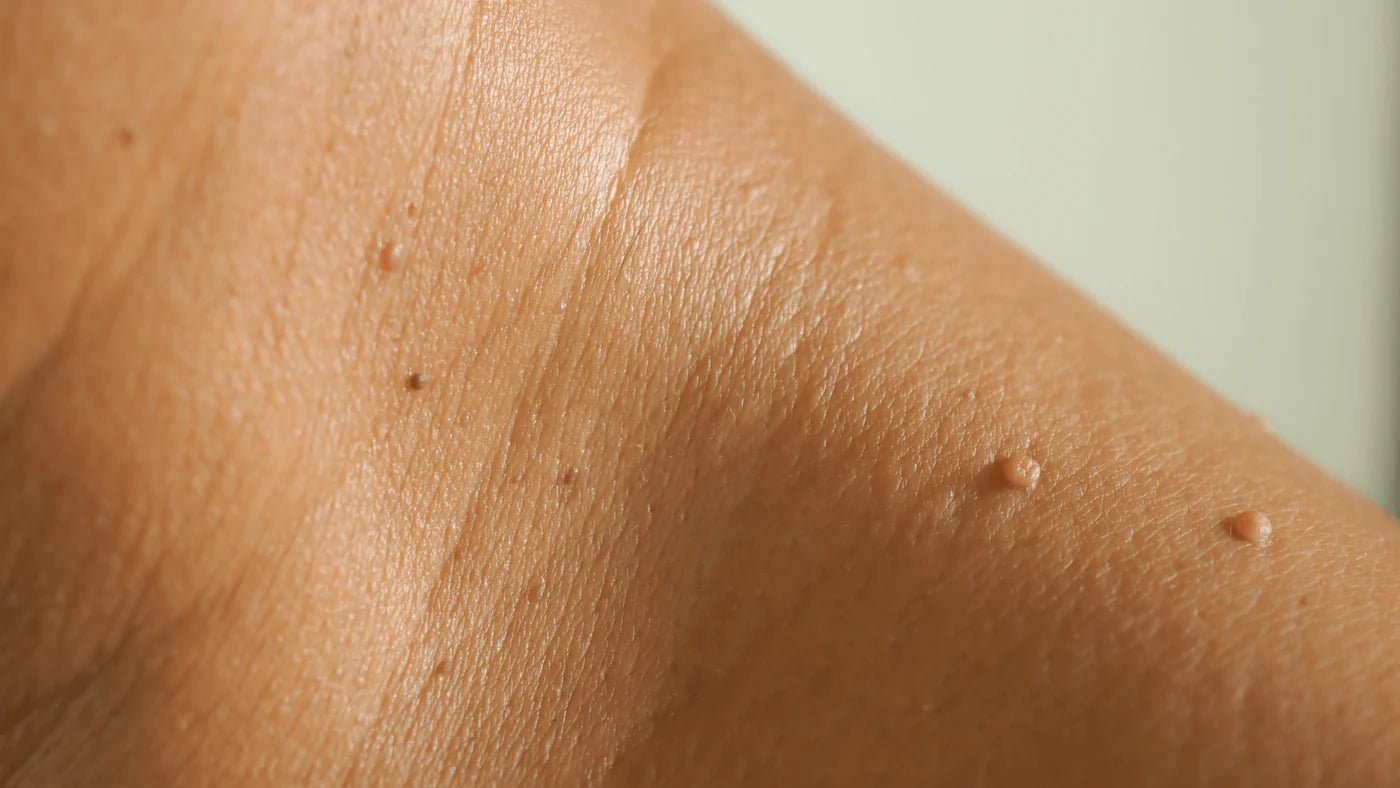

Skin tags are small, soft growths that often appear on areas where skin rubs together. While they are common and harmless, a sudden increase in skin tags may be associated with insulin resistance.
They commonly develop on:
-
The neck
-
Under the arms
-
Eyelids
-
Groin area
People with metabolic conditions sometimes develop clusters of these small growths. Although skin tags themselves do not cause harm, their presence in large numbers may warrant checking blood sugar levels.
3. Slow-Healing Cuts or Wounds


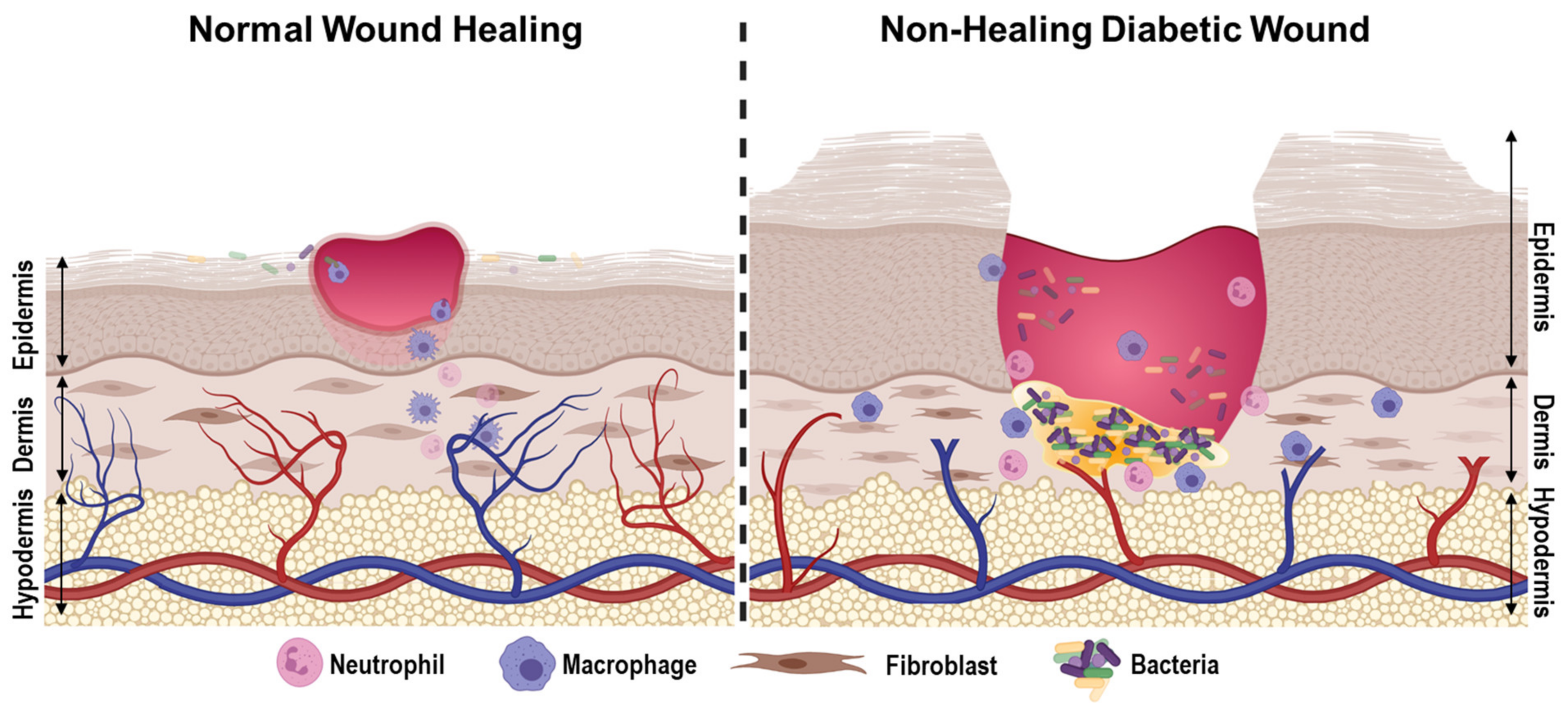
A key function of healthy blood circulation is delivering oxygen and nutrients needed for tissue repair. When blood sugar levels remain high, blood vessels can become damaged, reducing circulation.
This can lead to slow wound healing, particularly in areas such as the feet and legs.
People may notice that:
-
Minor cuts take longer to heal
-
Scratches remain visible for weeks
-
Skin infections occur more frequently
Because poor healing can increase the risk of infection, persistent wounds should be examined by a healthcare professional.
4. Dry, Itchy Skin
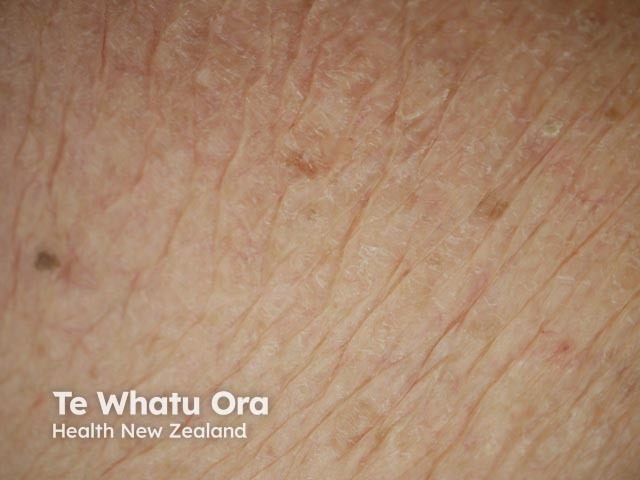


Diabetes can affect the body’s hydration and circulation, which may lead to dry, irritated skin.
Reduced circulation limits the skin’s ability to maintain moisture, while high glucose levels may cause fluid loss through frequent urination.
As a result, the skin may feel:
-
Rough
-
Tight
-
Itchy
Persistent dryness may also increase the risk of skin infections and cracks, especially on the hands and feet.
5. Yellowish Skin Around the Eyes



Some individuals develop yellowish patches around the eyelids, a condition called xanthelasma.
These deposits are made up of fat beneath the skin and may indicate elevated cholesterol or lipid levels, which are sometimes linked with diabetes or metabolic syndrome.
Although these patches are not dangerous themselves, they can signal underlying issues related to fat metabolism and blood sugar regulation.
6. Recurrent Skin Infections


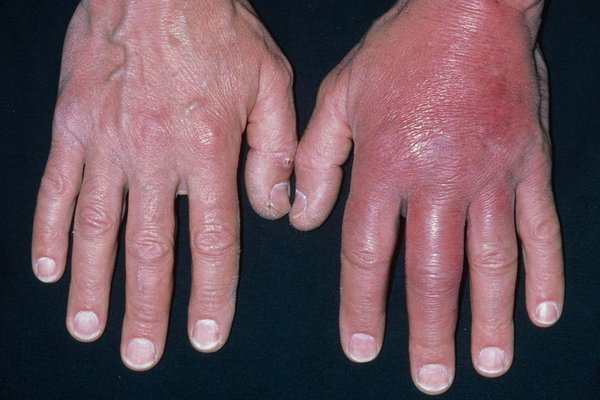
High blood sugar levels can weaken the immune system and create an environment where bacteria and fungi thrive.
This may lead to frequent skin infections, including:
-
Fungal infections
-
Bacterial infections
-
Red, swollen skin areas
These infections may occur in warm, moist areas such as skin folds.
7. Thick, Hard Skin on the Fingers


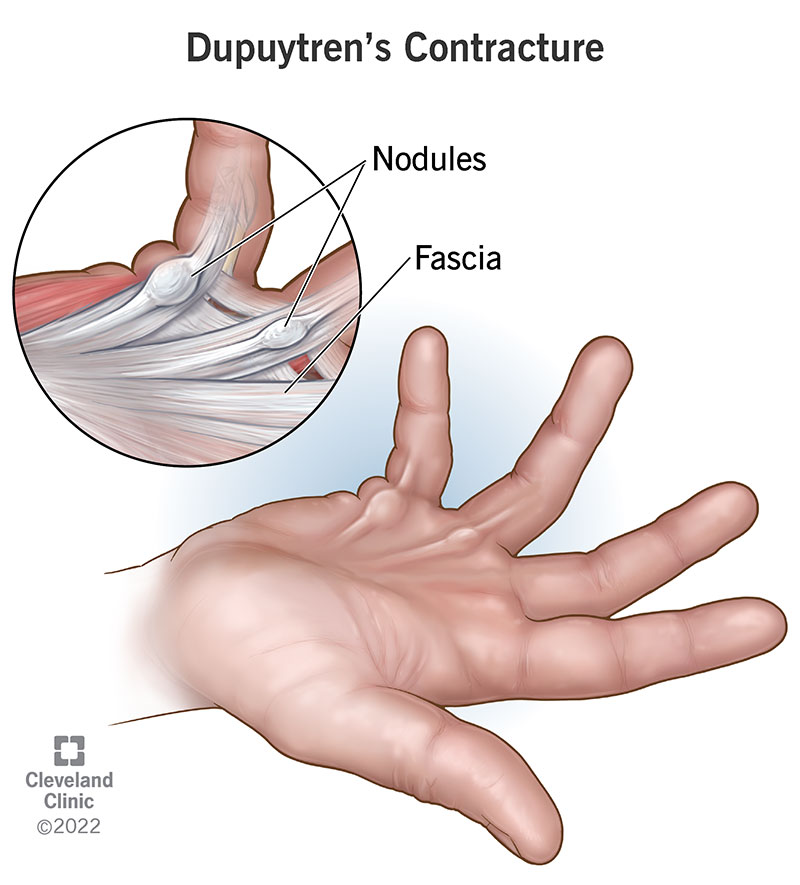
Some individuals with diabetes develop thickened, tight skin on the fingers or hands.
This condition can make the skin feel waxy and may limit finger flexibility over time. It occurs when changes in blood sugar levels affect collagen in the skin.
Although not always painful, this change can make it difficult to fully bend the fingers.
8. Shiny Patches on the Skin

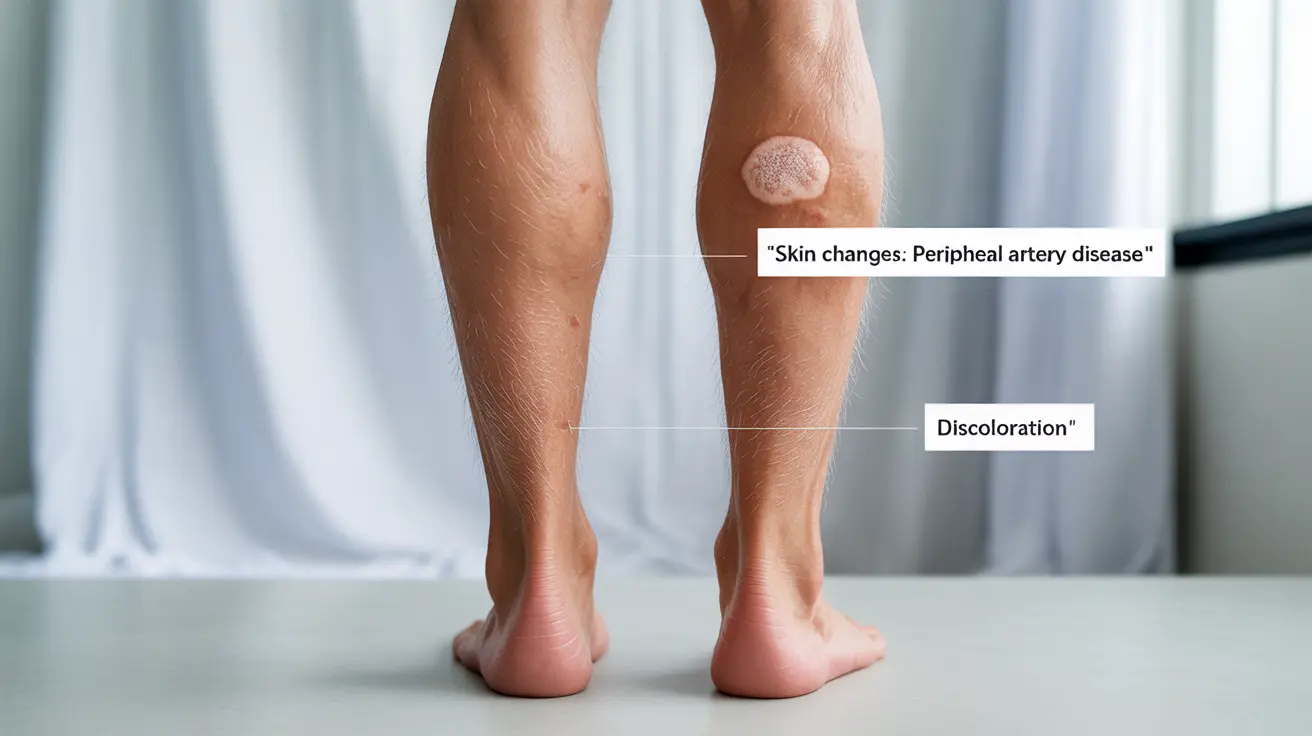

Shiny, brownish patches often appear on the front of the lower legs in some individuals with diabetes.
These patches, sometimes called diabetic dermopathy, may result from damage to small blood vessels that supply the skin.
They usually do not cause pain but may serve as a visible sign of underlying circulation changes.
9. Sudden Blisters
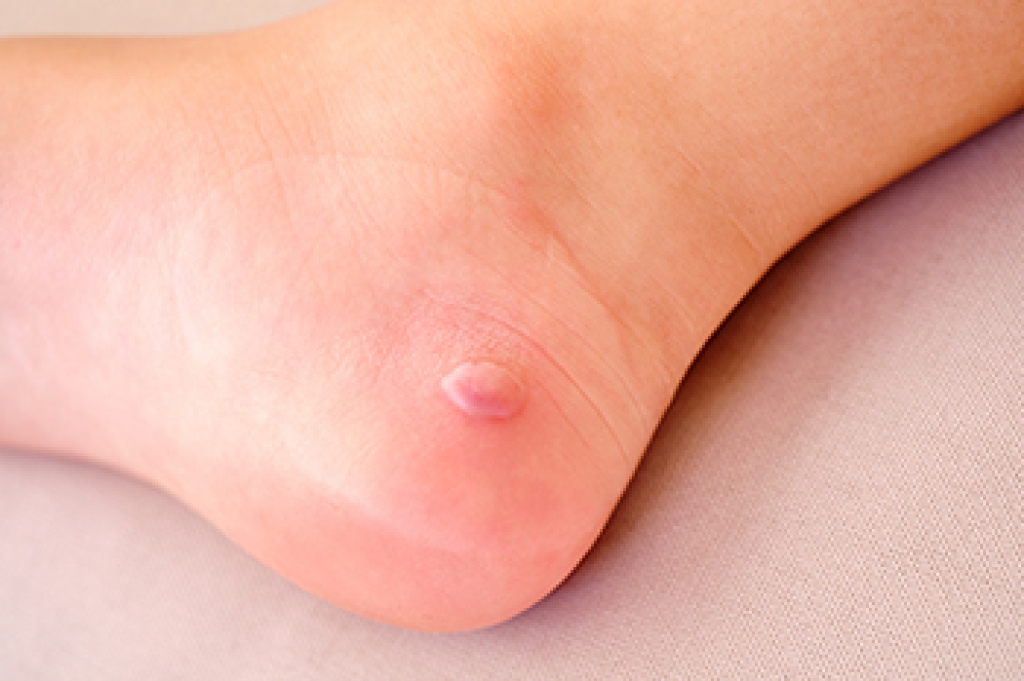
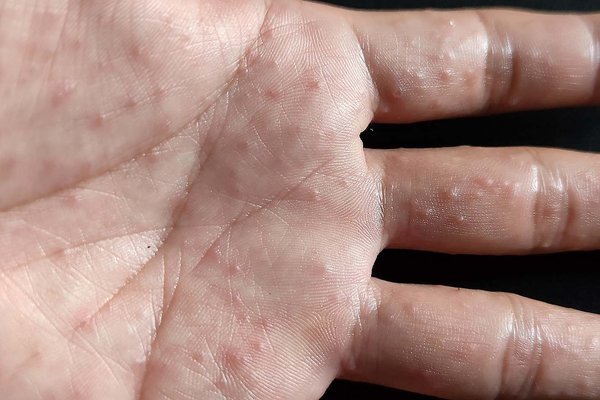

In rare cases, people with diabetes may develop unexpected blisters on the hands, feet, or legs.
These blisters can appear suddenly and resemble burn blisters. They usually occur without injury and may heal on their own over time.
10. Red or Yellow Bumps on the Skin


Clusters of small yellow or red bumps may appear when triglyceride levels become extremely high.
These bumps are sometimes associated with poorly controlled diabetes and often appear on the arms, legs, or buttocks.
They may feel itchy or tender.
11. Dark Patches on the Shins
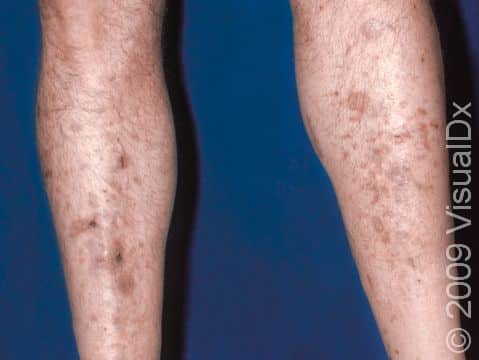
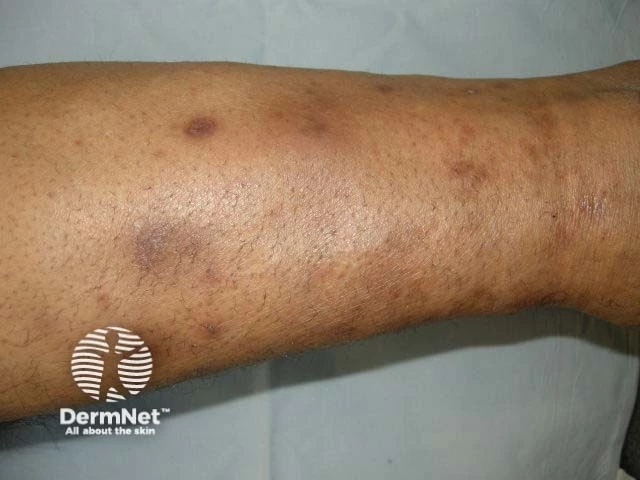
Dark, round patches on the lower legs may develop due to changes in blood vessels supplying the skin.
These patches often appear slowly and may look like age spots or mild bruising, but they are commonly associated with diabetic dermopathy.
12. Persistent Skin Itching


Chronic itching can occur when diabetes affects circulation or causes dry skin.
This symptom may appear on the arms, legs, or other areas of the body and often worsens at night.
Persistent itching should not be ignored, particularly if it occurs alongside other skin changes.
When Skin Changes Should Be Checked
Many skin conditions can occur for harmless reasons. However, if multiple unusual changes appear at the same time, checking blood sugar levels may be important.
Early diagnosis of diabetes can help prevent complications affecting the heart, kidneys, eyes, and nerves.
Healthy lifestyle habits such as balanced nutrition, regular exercise, and routine medical checkups can play a significant role in maintaining stable blood sugar levels.
Your Skin May Be the First Messenger
The skin often reflects the internal health of the body. By paying attention to unusual skin changes, it may be possible to detect hidden conditions earlier and take steps toward better health.
Sometimes, what appears on the surface can provide valuable clues about what is happening inside.