For most households, doing laundry is a routine task that seems simple: place clothes in the washing machine, add detergent, press start, and wait for the cycle to finish. While this process works for everyday washing, many people notice that their clothes sometimes come out of the machine still looking dull, slightly stained, or not as fresh as expected.
The truth is that detergent alone may not always be enough to fully clean certain types of dirt, sweat, body oils, or stubborn stains. Over time, these residues can build up in fabric fibers, causing clothes to lose their brightness and softness. Fortunately, experts say that a small change in your laundry routine can make a big difference.
Why Clothes Still Look Dirty After Washing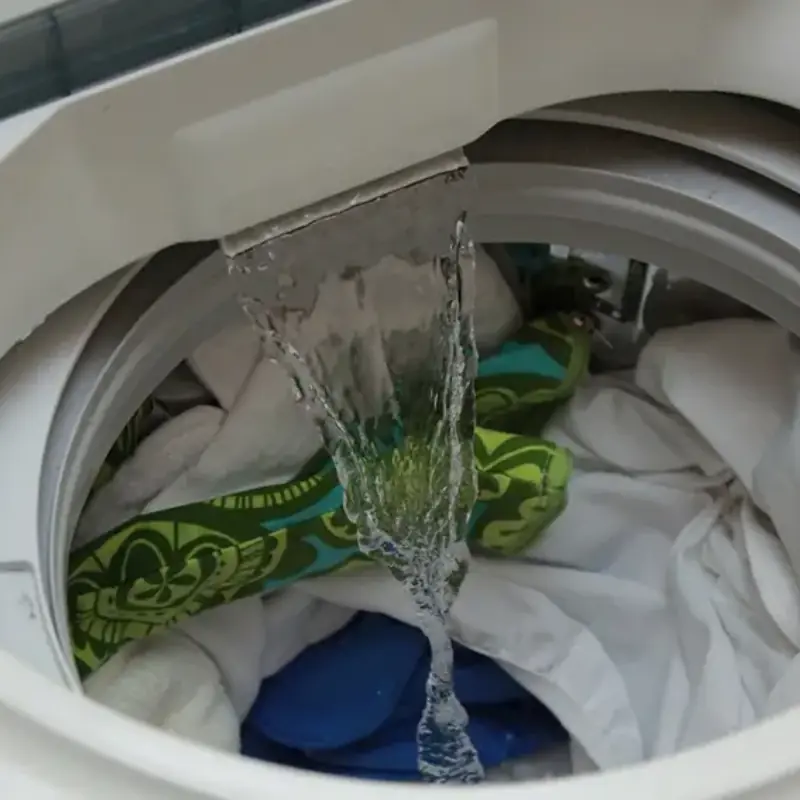
There are several reasons why clothes may not come out perfectly clean after a wash cycle. One common reason is that detergents are designed to remove many types of dirt, but they may struggle with certain substances such as grease, heavy sweat, or mineral buildup from hard water.
Another issue is that washing machines often become overloaded. When too many clothes are placed inside the drum, water and detergent cannot circulate properly. As a result, some fabrics do not receive enough cleaning power.
Temperature also plays a role. Washing everything in cold water can save energy, but some stains dissolve better in warm water. Without the right combination of temperature, detergent, and additional cleaning support, clothes may remain slightly dirty.
The Simple Trick That Makes a Difference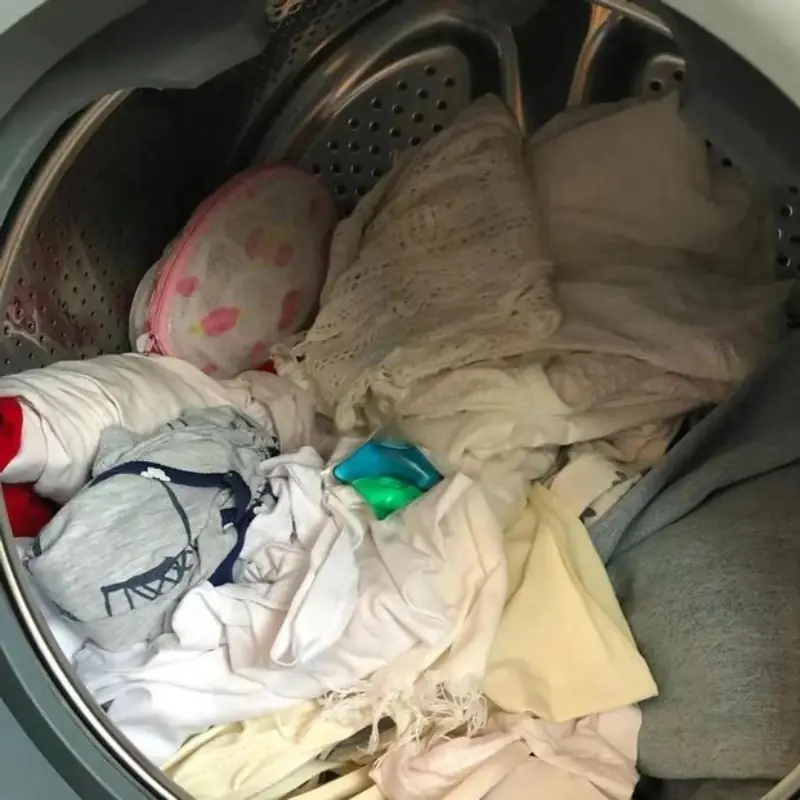
Laundry specialists recommend adding a small amount of household cleaning boosters—such as baking soda or white vinegar—to your washing routine. These ingredients help break down residue that detergent alone may leave behind.
For example, baking soda helps neutralize odors and loosen dirt trapped in fabric fibers. It also helps balance the pH level of the water, allowing detergent to work more effectively.
White vinegar, on the other hand, can dissolve mineral deposits caused by hard water and remove lingering soap buildup. This helps fabrics become softer and brighter after washing.
To try this method, simply add half a cup of baking soda directly into the washing drum along with your clothes, or pour half a cup of white vinegar into the fabric softener compartment during the rinse cycle.
Additional Tips for Cleaner Clothes
Besides using a simple cleaning booster, there are several other habits that can improve laundry results:
1. Avoid overloading the machine.
Leave enough space in the drum so clothes can move freely during the wash cycle.
2. Sort clothes properly.
Separate heavily soiled items from lightly worn clothing to prevent dirt from spreading.
3. Choose the correct water temperature.
Warm water works well for removing oils and sweat, while cold water is better for delicate fabrics.
4. Clean your washing machine regularly.
A buildup of detergent residue and bacteria inside the machine can affect cleaning performance.
A Small Change With Big Results
Laundry may seem like a simple chore, but small improvements in technique can lead to noticeably better results. By combining detergent with a simple household ingredient and following a few practical washing habits, clothes can come out cleaner, fresher, and brighter.
Many people who try this trick are surprised by how effective it is. Instead of replacing clothes that look dull or worn, a better washing routine can help restore their appearance and extend their lifespan.
So the next time you do laundry, remember: detergent alone might not be enough. With one small adjustment, your clothes may come out of the machine looking almost like new again.