Fatty liver disease has become one of the most common liver conditions worldwide, affecting millions of people across all age groups. Often developing silently over many years, this condition occurs when excess fat builds up inside liver cells. In the early stages, many individuals may feel completely normal and experience no obvious symptoms at all.
However, as fatty liver disease progresses, the body may begin sending subtle warning signs that should not be ignored. Recognizing these symptoms early may help people seek medical evaluation sooner and potentially reduce the risk of serious liver complications later in life.
Although many symptoms linked to fatty liver disease can also be caused by less serious conditions, persistent or unexplained changes in the body deserve attention — especially for individuals with risk factors such as obesity, diabetes, poor diet, or heavy alcohol consumption.
What Is Fatty Liver Disease?
Fatty liver disease occurs when excess fat accumulates in the liver.
There are two major types:
- Non-alcoholic fatty liver disease (NAFLD)
- Alcohol-related fatty liver disease
NAFLD is especially common among people with:
- Obesity
- Type 2 diabetes
- High cholesterol
- Metabolic syndrome
In some cases, fatty liver disease may progress to:
- Liver inflammation
- Scarring (fibrosis)
- Cirrhosis
- Liver failure
This is why early detection matters so much.

1. Persistent Fatigue and Low Energy
One of the most common complaints among people with fatty liver disease is ongoing fatigue.
Individuals may feel:
- Constantly tired
- Mentally drained
- Low on motivation
- Weak even after resting
The exact reason is not fully understood, but liver dysfunction may affect:
- Metabolism
- Hormone balance
- Inflammation
- Energy regulation
Fatigue associated with liver disease may become chronic and difficult to explain.
However, fatigue alone can result from many other causes as well.
2. Discomfort or Pain in the Upper Right Abdomen
The liver is located in the upper right side of the abdomen.
As fatty buildup increases, some individuals may experience:
- Pressure
- Fullness
- Mild aching
- Discomfort beneath the ribs
The pain is usually not severe in early stages, but persistent abdominal discomfort should not be ignored.
3. Unexplained Weight Changes
Some people with advanced fatty liver disease may notice:
- Unexplained weight loss
- Reduced appetite
- Digestive discomfort
Meanwhile, obesity remains one of the biggest risk factors for developing fatty liver disease in the first place.
Rapid or unexplained body changes should always receive medical evaluation.
4. Swelling in the Abdomen or Legs
As liver disease becomes more advanced, fluid balance may become disrupted.
This can sometimes lead to:
- Swollen legs
- Ankle swelling
- Abdominal bloating
- Fluid accumulation
Severe abdominal swelling may indicate advanced liver complications and requires immediate medical attention.
5. Yellowing of the Skin or Eyes (Jaundice)
Jaundice occurs when bilirubin builds up in the body because the liver struggles to process waste properly.
Possible signs include:
- Yellow skin
- Yellow eyes
- Dark urine
- Pale stool
Jaundice is usually a sign of more advanced liver dysfunction and should always be medically evaluated.
6. Brain Fog and Difficulty Concentrating
Some individuals with liver problems report:
- Poor concentration
- Mental fog
- Memory issues
- Difficulty focusing
This may occur because liver dysfunction can affect toxin processing and overall metabolic balance.
Brain fog has many possible causes, but persistent symptoms should not be dismissed.
7. Changes in Skin Appearance
Certain skin changes may occasionally appear in people with liver disease.
Possible signs may include:
- Itchy skin
- Easy bruising
- Red palms
- Visible blood vessels near the skin surface
These symptoms become more common as liver function worsens.

Why Fatty Liver Disease Is Increasing
Modern lifestyle habits have contributed significantly to the rise in fatty liver disease worldwide.
Major risk factors include:
- Processed food consumption
- Excess sugar intake
- Obesity
- Sedentary lifestyle
- Diabetes
- High cholesterol
Non-alcoholic fatty liver disease is now increasingly common even among younger adults and teenagers.
Fatty Liver Disease Often Has No Symptoms Early On
One of the biggest dangers is that many people feel completely normal during the early stages.
Fatty liver disease is often discovered accidentally through:
- Blood tests
- Ultrasound scans
- Routine checkups
This is why prevention and regular health monitoring are extremely important.
Can Fatty Liver Disease Be Reversed?
In many early cases, lifestyle changes may help reduce liver fat and improve liver health.
Experts often recommend:
- Weight management
- Exercise
- Limiting alcohol
- Reducing processed sugar
- Balanced nutrition
The liver has remarkable ability to recover when damage is addressed early enough.
Foods That May Support Liver Health
While no food can “cure” fatty liver disease alone, healthy diets may support liver function.
Experts commonly recommend:
- Vegetables
- Fruits
- Whole grains
- Lean proteins
- Healthy fats
Limiting excessive:
- Sugary drinks
- Fried foods
- Processed snacks
- Alcohol
may also help reduce liver stress.
When Should You See a Doctor?
Medical evaluation is important if symptoms include:
- Persistent fatigue
- Abdominal pain
- Swelling
- Jaundice
- Unexplained weight loss
- Dark urine
Doctors may perform:
- Liver function tests
- Ultrasound imaging
- Blood work
- Additional scans if needed
Early detection may help prevent progression to more serious liver disease.
Protecting Your Liver Matters
The liver performs hundreds of essential functions every single day.
Protecting liver health supports:
- Digestion
- Metabolism
- Hormone balance
- Detoxification
- Energy production
Healthy lifestyle habits often provide the strongest long-term protection.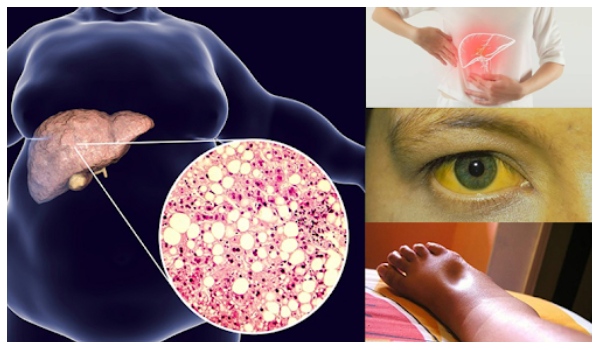
Final Thoughts
Fatty liver disease frequently develops silently, but symptoms such as fatigue, abdominal discomfort, swelling, jaundice, brain fog, and skin changes may eventually appear as the condition progresses.
Although these symptoms do not automatically mean someone has fatty liver disease, persistent or unexplained warning signs deserve proper medical attention — especially for people with risk factors like obesity, diabetes, or high cholesterol.
Early awareness, healthy lifestyle changes, and regular medical care may help protect liver function and reduce the risk of serious complications over time.