

A Man Woke Up Paralyzed and Experts Say the Cause Often Goes Unnoticed
Sudden Paralysis Overnight May Be Linked to a Silent and Dangerous Condition
Health 23/05/2026 00:11
For thousands of years, medicinal herbs have played an important role in traditional healing systems across cultures worldwide. Long before modern medicine existed, people relied on plants and herbs to help support digestion, relaxation, immunity, circulation, and general wellness. Today, many of these traditional herbs continue attracting attention because of their natural compounds and potential health-supporting properties.
Modern research has begun exploring how certain herbs may contribute to overall well-being through antioxidants, anti-inflammatory compounds, essential oils, and other plant nutrients. Although herbs are not miracle cures and should never replace proper medical care, many may offer gentle supportive benefits when used responsibly as part of a healthy lifestyle.
Here are six popular medicinal herbs that have been traditionally valued for promoting natural wellness.
Ginger is one of the most widely used medicinal herbs in the world.
Known for its warm spicy flavor and powerful aroma, ginger has been used for centuries in traditional medicine systems throughout Asia and the Middle East.
Ginger contains compounds such as gingerol, which researchers have studied for possible:
Many people use ginger to help:
Ginger tea remains especially popular during colder months and digestive discomfort.

Turmeric is a bright yellow-orange spice commonly used in cooking and traditional Ayurvedic medicine.
Its main active compound, curcumin, has been extensively studied for potential wellness effects.
Researchers continue exploring turmeric for possible:
Turmeric is commonly associated with:
However, curcumin absorption may be limited unless combined with black pepper or dietary fats.
Peppermint is a refreshing herb known for its cooling sensation and pleasant aroma.
It contains menthol, which contributes to many of its traditional uses.
Peppermint may help:
Peppermint tea is commonly consumed after meals because many people find it soothing for the stomach.
Peppermint aroma is also often associated with:

Rosemary is both a culinary herb and a traditional medicinal plant.
It has a strong earthy aroma and contains antioxidant-rich plant compounds.
Rosemary has historically been associated with:
Some research suggests rosemary aroma may temporarily support:
Rosemary is also popular in natural hair and scalp care products.
Chamomile is one of the world’s most popular calming herbs.
It is commonly consumed as a caffeine-free herbal tea known for its gentle floral flavor.
Chamomile is traditionally used to help:
Many people drink chamomile tea before bedtime as part of calming nighttime rituals.
Warm herbal tea itself may contribute to:

Garlic is valued both as a food ingredient and a traditional medicinal herb.
It contains sulfur compounds such as allicin, which researchers have studied for possible health-supporting effects.
Garlic has traditionally been associated with:
Many cultures use garlic regularly in cooking as part of balanced diets.
Raw garlic contains stronger active compounds than heavily cooked garlic, although its taste is more intense.
Herbal wellness continues growing in popularity because many people appreciate:
Herbs may contribute positively to healthy lifestyles through:
Although herbs may provide supportive wellness benefits, they should still be used responsibly.
Certain herbs may:
Highly concentrated herbal extracts may behave differently than normal culinary use.
Medical guidance may be important for:
Online wellness trends sometimes exaggerate herbal benefits.
Herbs cannot:
Long-term wellness still depends primarily on:
People commonly enjoy medicinal herbs through:
Using herbs regularly in moderate amounts may provide both flavor and gentle wellness support.
Many traditional herbal practices developed over generations through cultural experience.
Modern science continues studying these herbs to better understand:
While not all traditional claims are scientifically proven, some herbs do show promising properties worthy of further research.
Medicinal herbs such as ginger, turmeric, peppermint, rosemary, chamomile, and garlic have remained valued across cultures for centuries because of their flavor, aroma, and potential wellness-supporting properties. Rich in antioxidants and plant compounds, these herbs may help support digestion, relaxation, circulation, hydration, and overall well-being when included responsibly in a balanced lifestyle.
Although herbs are not miracle cures, simple herbal routines can become meaningful parts of healthy living, especially when combined with good nutrition, physical activity, proper sleep, and regular healthcare.
Sudden Paralysis Overnight May Be Linked to a Silent and Dangerous Condition
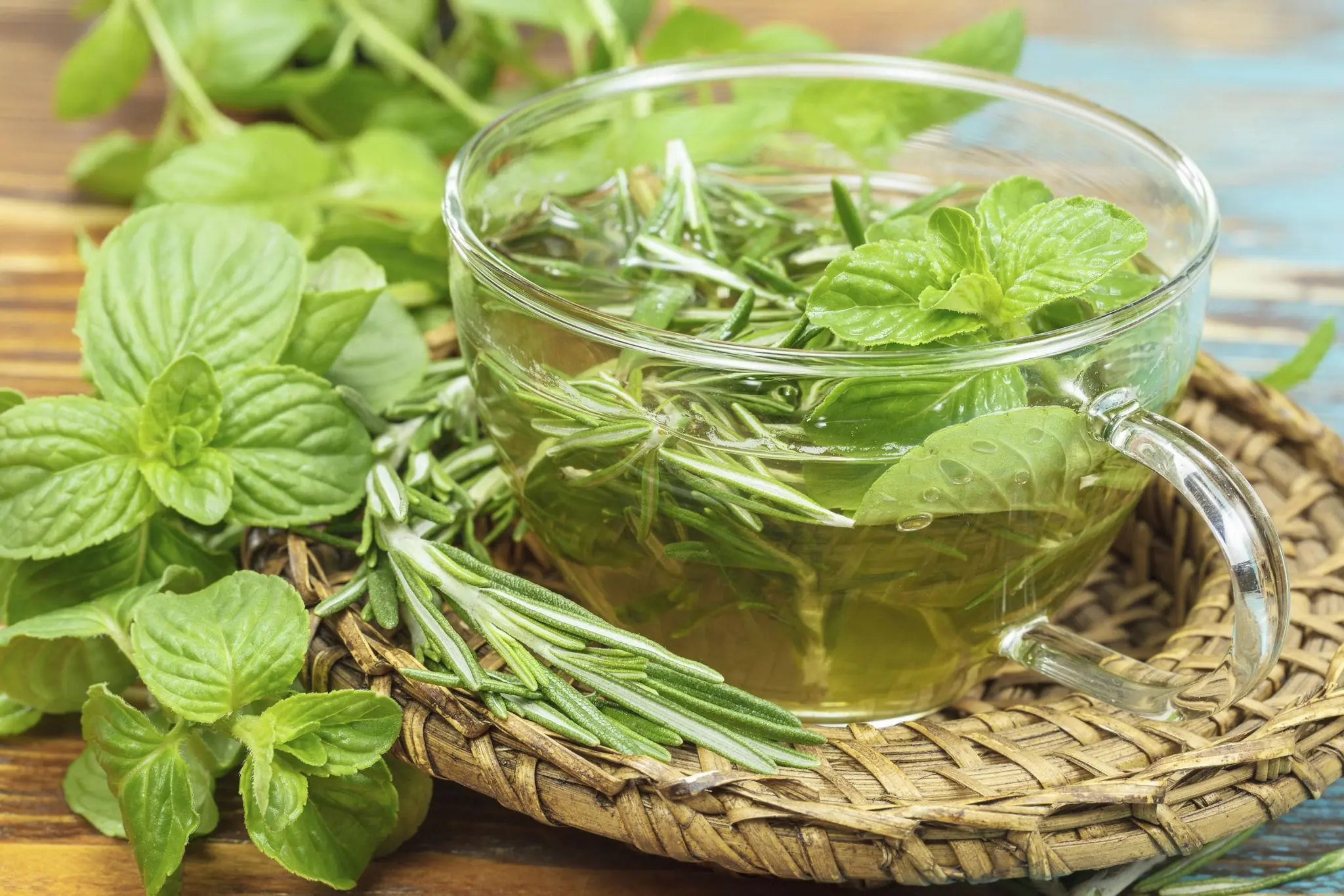
The Natural Power of Spearmint and Rosemary for Everyday Health Support
Before adding more cucumbers to your salad, see what doctors are warning about 👇

Many people notice these tiny white spots without knowing the cause — here’s the explanation 👇

The Hidden Nutritional Benefits of Eating Chicken Feet

6 Easy Exercises That May Help Improve Blood Flow in Your Legs
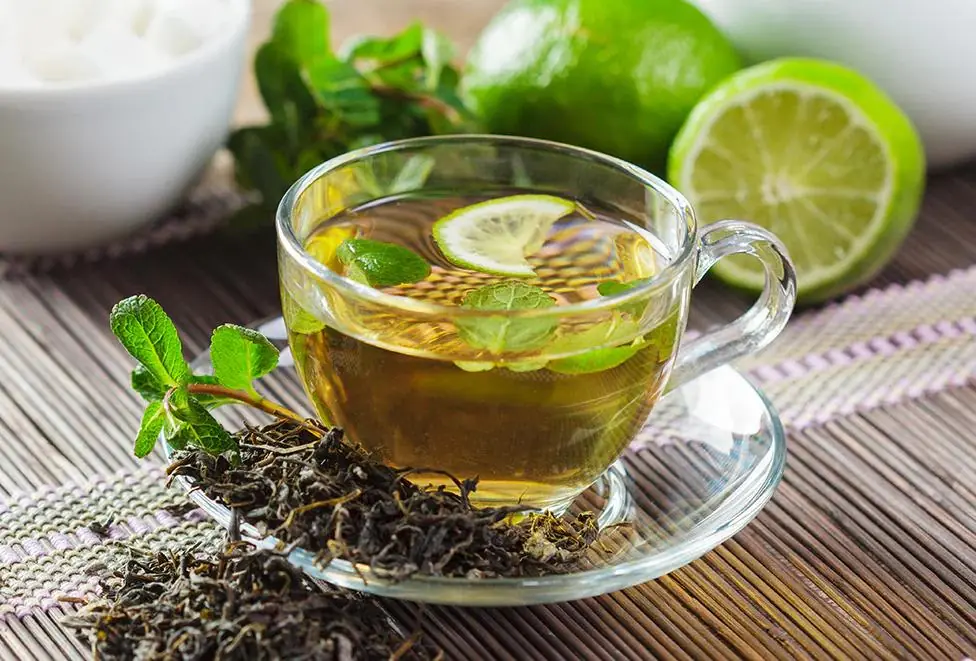
Why This Herbal Tea Blend Is Ideal Both After Breakfast and After Dinner?

Traditional lifestyles may hold surprising lessons about long-term health.

Effective Exercises to Help Strengthen the Spine and Manage Scoliosis Naturally

Discover the Refreshing and Healthy Benefits of Coconut Water

A quick finger test may reveal hidden health signs worth checking early.

Doctors Identify the Groups Most Vulnerable to Thyroid Can.cer

7 Early Warning Signs of Fatty Liver Disease You Should Never Ignore
Hidden Facts About Tomatoes That May Surprise You

Doctors Say These Foot Symptoms Could Indicate Circulation or Nerve Issues

9 Health Problems Your Nails May Be Trying to Warn You About

Many aneurysms develop silently for years before becoming life-threatening

Adrenal Fatigue Explained: What It Means and Natural Ways People Try to Manage It

The convenience foods you love could be silently harming your body
Sudden Paralysis Overnight May Be Linked to a Silent and Dangerous Condition
The Natural Power of Spearmint and Rosemary for Everyday Health Support
Before adding more cucumbers to your salad, see what doctors are warning about 👇
Many people notice these tiny white spots without knowing the cause — here’s the explanation 👇
The Hidden Nutritional Benefits of Eating Chicken Feet
6 Easy Exercises That May Help Improve Blood Flow in Your Legs
Why This Herbal Tea Blend Is Ideal Both After Breakfast and After Dinner?
Traditional lifestyles may hold surprising lessons about long-term health.
Effective Exercises to Help Strengthen the Spine and Manage Scoliosis Naturally
Discover the Refreshing and Healthy Benefits of Coconut Water
A quick finger test may reveal hidden health signs worth checking early.
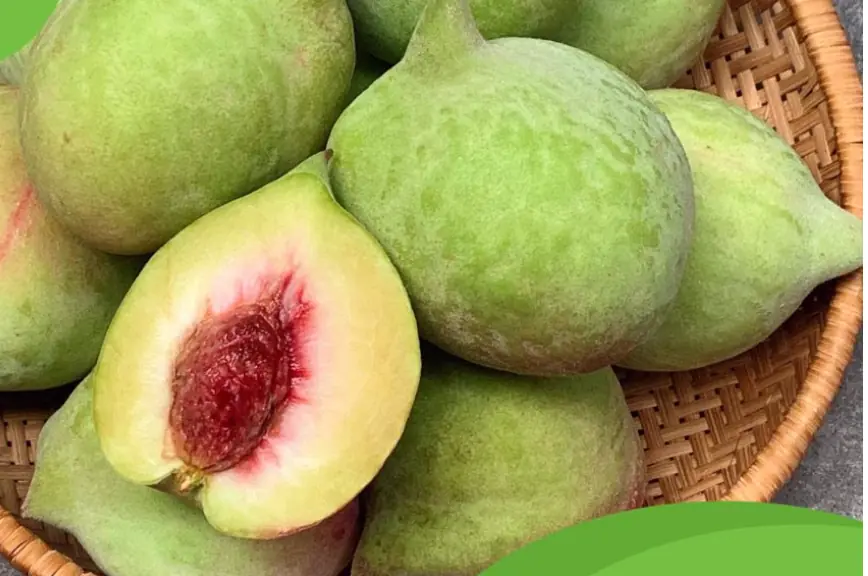
What Does the White Substance on a Peach Pit Actually Mean?

The Hidden Purpose Behind the Small Hole on Nail Clippers
Doctors Identify the Groups Most Vulnerable to Thyroid Can.cer
7 Early Warning Signs of Fatty Liver Disease You Should Never Ignore

Simple Household Tips That May Help Keep Mice Away
Hidden Facts About Tomatoes That May Surprise You
Doctors Say These Foot Symptoms Could Indicate Circulation or Nerve Issues
9 Health Problems Your Nails May Be Trying to Warn You About