Many people rarely pay attention to their tongue when checking their health. However, medical experts say the tongue can reveal a lot about what is happening inside the body. One of the most common signs people notice is a white coating on the tongue, which may indicate that something in the body is out of balance.
Although a white tongue is often harmless and temporary, in some cases it can signal underlying health issues that require attention. Understanding the possible causes can help people respond early and maintain better overall health.
What Does a White Tongue Mean?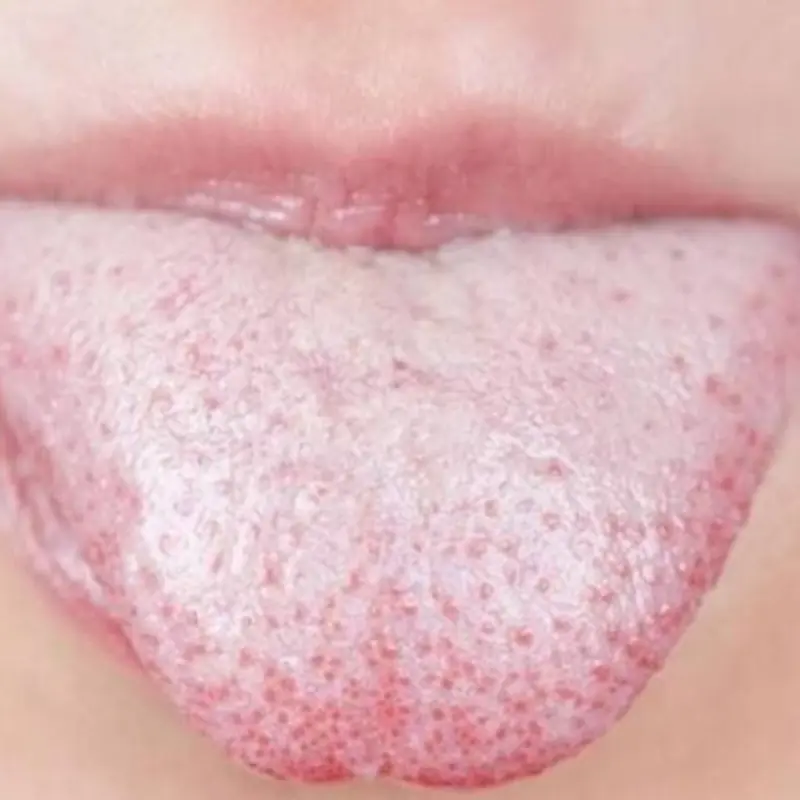
A white tongue usually occurs when the small bumps on the tongue’s surface, called papillae, become swollen or inflamed. When this happens, food debris, bacteria, and dead cells can get trapped between them, creating a visible white coating.
While this condition is relatively common, the reasons behind it can vary widely—from simple lifestyle factors to medical conditions.
1. Poor Oral Hygiene
One of the most common causes of a white tongue is inadequate oral hygiene. When people do not brush their teeth regularly or forget to clean their tongue, bacteria and debris can accumulate on the tongue’s surface.
This buildup can create a white layer that may also be accompanied by bad breath. In many cases, simply improving oral care habits—such as brushing the tongue and using mouthwash—can help resolve the issue.
2. Dehydration
Another frequent cause is dehydration. When the body does not receive enough water, saliva production decreases. Saliva plays a crucial role in cleaning the mouth and washing away bacteria.
Without enough saliva, bacteria can accumulate more easily on the tongue, leading to a white appearance.
Drinking sufficient water throughout the day can help maintain oral moisture and reduce the likelihood of this condition.
3. Oral Thrush
In some cases, a white tongue may be caused by oral thrush, a fungal infection triggered by an overgrowth of Candida yeast in the mouth.
This condition is more common in people with weakened immune systems, those taking antibiotics, or individuals with diabetes. The white patches caused by oral thrush may appear thick and can sometimes be painful.
If the coating does not disappear after improving oral hygiene, it is important to consult a healthcare professional.
4. Digestive Issues
Some traditional health practices and modern studies suggest that the tongue can reflect the state of the digestive system. A persistent white coating may sometimes be associated with digestive imbalance, poor diet, or gastrointestinal issues.
Although more research is needed to fully understand this connection, maintaining a balanced diet rich in fruits, vegetables, and fiber can support digestive health and potentially improve oral conditions.
5. Smoking or Alcohol Consumption
Lifestyle habits such as smoking or excessive alcohol consumption can also contribute to the development of a white tongue. These habits can irritate oral tissues and encourage bacterial growth.
Reducing or quitting these habits may improve oral health and prevent recurring tongue discoloration.
When Should You See a Doctor?
A white tongue is usually temporary and can often be improved with better oral care. However, medical advice should be sought if:
-
The white coating lasts more than two weeks
-
Pain, burning, or swelling occurs
-
There are thick white patches that do not disappear
A healthcare professional can determine whether the condition is related to infection, underlying illness, or other health concerns.
Simple Tips to Keep Your Tongue Healthy
Maintaining a healthy tongue is relatively simple with consistent habits:
-
Brush your teeth and tongue daily
-
Stay hydrated by drinking enough water
-
Eat a balanced diet
-
Avoid tobacco and limit alcohol consumption
-
Visit a dentist regularly for checkups
These small steps can help maintain good oral health and reduce the risk of tongue-related problems.
Don’t Ignore the Signals Your Body Gives
The tongue may seem like a small part of the body, but it can provide important clues about overall health. Paying attention to changes in its color or texture can help detect potential issues early.
If you notice a persistent white coating, consider it a signal to review your oral hygiene, lifestyle habits, and overall health.