
Why You Might Not Want to Keep the Door Fully Closed When Using Air Conditioning?
Should You Close the Door When Using Air Conditioning? Here’s What to Know
Tips 18/04/2026 15:20
Face masks have become one of the most popular steps in modern skincare routines. Whether they are clay masks, sheet masks, gel masks, or natural DIY treatments, many people use them hoping to achieve clearer, brighter, and healthier skin. When used properly, face masks can deliver concentrated ingredients that hydrate, cleanse, and support skin renewal.
However, simply applying a mask is not enough to guarantee good results. In fact, many people unknowingly make small mistakes that reduce the effectiveness of their masks or even irritate their skin. Understanding these mistakes can help you get the most benefit from your skincare routine.
Here are seven common errors people make when using face masks and how to avoid them.
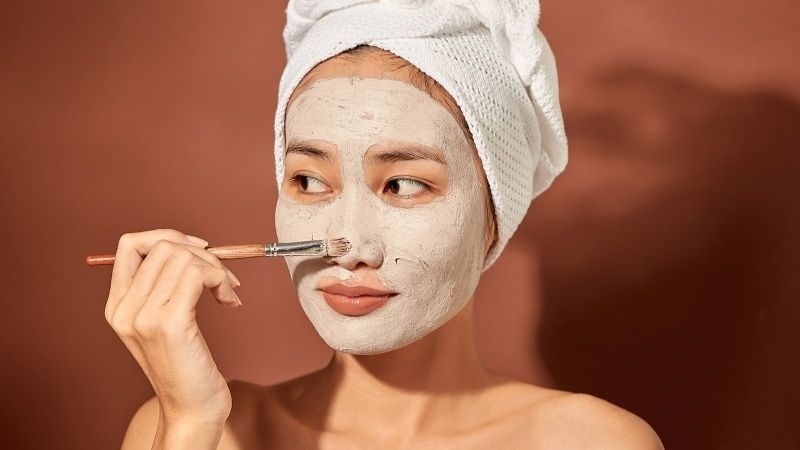
One of the most frequent mistakes is applying a mask without properly cleansing the skin first.
Throughout the day, your skin accumulates oil, sweat, makeup, sunscreen, and environmental pollutants. If a face mask is applied on top of these layers, the active ingredients cannot properly penetrate the skin.
Instead of nourishing the skin, the mask may simply sit on top of dirt and oils.
Before applying any face mask, always:
Remove makeup thoroughly
Wash your face with a gentle cleanser
Pat your skin dry
Clean skin allows the ingredients in the mask to work more effectively.
Many people believe that leaving a face mask on longer will increase its benefits. Unfortunately, the opposite can happen.
Clay masks, for example, are designed to absorb excess oil. If they remain on the skin for too long, they may start pulling moisture from the skin itself, leading to dryness or irritation.
Sheet masks can also dry out if left on for too long, which may cause them to reabsorb moisture from the skin.
Always follow the recommended time on the product instructions. In most cases, masks should remain on the face for 10 to 20 minutes.
Not all face masks are suitable for every skin type.
Using a product that doesn’t match your skin’s needs can prevent improvement or even cause problems.
Examples include:
Clay masks are best for oily or acne-prone skin.
Hydrating masks work better for dry or dehydrated skin.
Soothing masks containing ingredients like aloe or chamomile are ideal for sensitive skin.
Before choosing a mask, it is important to understand your skin type and its specific concerns.
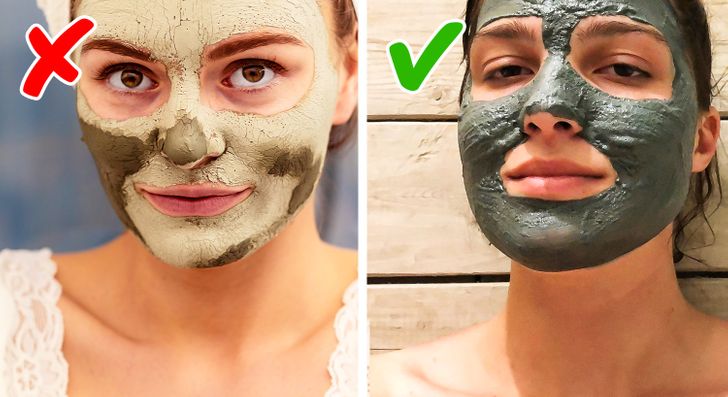
While masks can be beneficial, using them too often can overwhelm the skin.
Some people apply face masks daily, believing this will accelerate results. In reality, excessive masking may strip the skin’s natural protective barrier.
Overuse may lead to:
Irritation
Increased sensitivity
Breakouts
Dryness
Most skincare experts recommend using face masks one to three times per week, depending on the type of mask and your skin’s tolerance.
Another common mistake is ending the routine immediately after removing the mask.
Many masks cleanse or exfoliate the skin, leaving it temporarily more receptive to hydration. Without applying moisturizer afterward, the skin may lose moisture quickly.
After removing a mask, it is beneficial to:
Rinse or gently remove residue
Apply a hydrating serum or toner
Seal moisture with a suitable moisturizer
This step helps lock in hydration and prolong the benefits of the mask.
When applying skincare products, people often focus only on the face and forget the neck.
The skin on the neck is delicate and also shows signs of aging, dryness, and sun damage. Applying face masks only to the face leaves this area untreated.
When appropriate, extend the mask gently to the neck area unless the product instructions specifically advise against it.
Including the neck helps maintain a more balanced and complete skincare routine.
Skincare ingredients can affect individuals differently. Even products labeled “natural” or “gentle” may cause irritation for some people.
Applying a new face mask directly to the entire face without testing it first can lead to redness, itching, or allergic reactions.
Before using a new mask:
Apply a small amount behind the ear or on the inner wrist
Wait 24 hours
Check for signs of irritation
This simple step helps prevent unnecessary skin reactions.

In addition to avoiding these mistakes, a few simple habits can enhance the effectiveness of face masks.
Helpful practices include:
Applying masks to slightly damp skin
Relaxing during the treatment to avoid facial tension
Using clean hands or tools when applying products
Maintaining consistent skincare routines
Skincare works best when it is gentle, consistent, and tailored to individual needs.
Face masks are supportive skincare treatments, not instant solutions. While they can improve hydration, reduce oiliness, and brighten the complexion, they cannot replace a full skincare routine.
Healthy skin typically depends on several factors, including:
Balanced nutrition
Adequate hydration
Sun protection
Quality sleep
Stress management
A face mask should be viewed as a helpful addition rather than the sole step in achieving better skin.
Face masks can be a valuable part of a skincare routine when used correctly. However, small mistakes—such as applying them to unclean skin, leaving them on too long, or using them too frequently—can limit their benefits.
By choosing the right mask, following recommended instructions, and supporting your skin with proper hydration and care, you can maximize the positive effects of this popular skincare treatment.
Healthy skin rarely comes from quick fixes. Instead, it develops through consistent, thoughtful habits that respect the skin’s natural balance.
Should You Close the Door When Using Air Conditioning? Here’s What to Know

This Mixture Could Boost Your Health Naturally

A Bowl of Hot Water Can Change Everything

This Tiny Creature Might Be Sending You a Powerful Message

This Laundry Trick Works… But Only If You Do It Right
You Don’t Need Harsh Chemicals to Clean This
This Simple Kitchen Hack Might Change How You Eat Berries

A handful of these leaves can keep your home fresh and pest-free

Why Adding Salt to Your Refrigerator Might Be More Useful Than You Think?
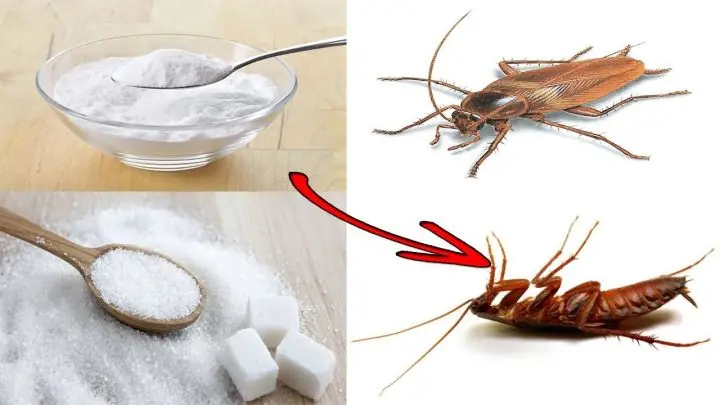
A Simple Sugar Trick Using One Ingredient to Deal with Cockroaches

Simple Methods to Store Rice Safely and Avoid Pests and Mold

A simple trick can restore your dirty mop to a fresh, clean state.
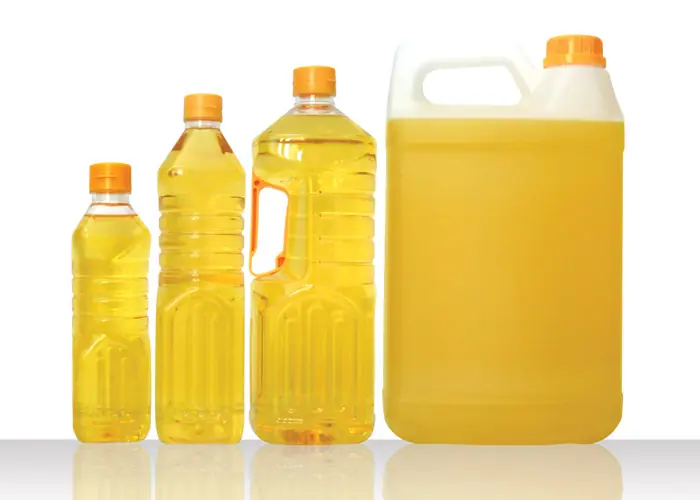
How to choose healthy cooking oil and avoid low-quality blended options

These items don’t belong in your toaster – here’s why they’re dan.gerous

The reason you should consider putting aluminum foil behind your router
Pour this into your sink—clogs disappear instantly

4 Plants You Might Want to Avoid If You Don’t Want Snakes Around

Why Unplugging the Hotel TV Is a Smart Move Many Travelers Make?
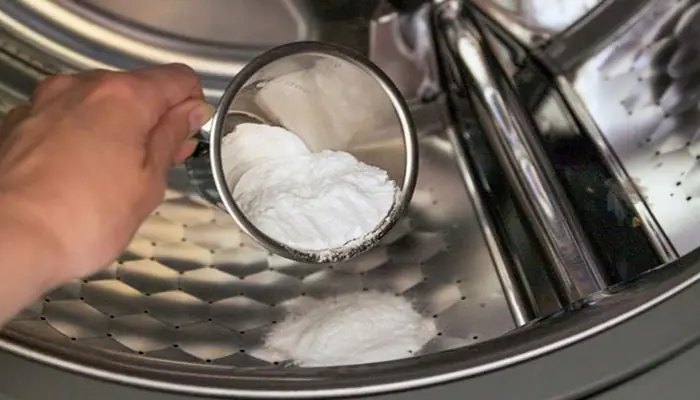
Most People Use Baking Soda Wrong for Laundry - Here’s the Correct Method

The Ideal Battery Level to Charge Your Phone and Make It Last Longer

As life nears its final stage, your body may detect it early, with changes that begin through your nose

Why Heart Health Matters More Than Ever - 6 Habits to Be Aware Of

7 Collagen-Supporting Foods That May Help Ease Joint Discomfort

Don’t Ignore These Subtle Signs

The Power of Goldenberries: 15 Benefits of Physalis peruviana and How to Enjoy Them
If Your Legs Feel Weak, These 3 Drinks Might Help You Feel Better

Your Body “Cries for Help” When Parasites Multiply — Watch for These 5 Signs

What Does Daily Coffee Do to Your Body? Doctors Reveal Everything

What It Might Mean When Your Partner Sleeps Facing Away from You?

The Secret to Better Digestion Is on Your Plate

Those 2 Dimples on Your Lower Back - What Do They Really Indicate?
White Lip Bumps Explained: Causes and Ways to Treat Them

When You See Them Again in Your Dreams…

How a Simple Sleeping Mistake May Influence Your Heart and Brain?
Should You Close the Door When Using Air Conditioning? Here’s What to Know

The Silent Signals That Could Point to an Aneurysm
This Mixture Could Boost Your Health Naturally

Sometimes We Don’t Notice the Signs Until They Become Loud
The Purpose Behind the Lines on Your Bath Towels

Why Banana Blossom Is Considered a Nutritious Superfood