For thousands of years, plants have played a vital role in traditional medicine, offering natural support for the body long before modern pharmaceuticals existed. Among these ancient botanical remedies, juniper stands out as a plant that has been valued across cultures for its remarkable properties. From the mountainous regions of Europe to the forests of Asia and North America, juniper has been used for purification, healing, and protection.
Today, as interest in natural health and herbal medicine grows, juniper is gaining renewed attention. Modern research has begun to explore the compounds found in this evergreen plant, confirming that many traditional uses were rooted in real biological effects. Although juniper is not a cure for disease and should not replace professional medical care, it offers a range of potential benefits that can complement a healthy lifestyle.
Understanding how juniper has been used historically—and how it may support wellness today—reveals why this ancient plant continues to hold value in the modern world.
The History of Juniper in Traditional Medicine
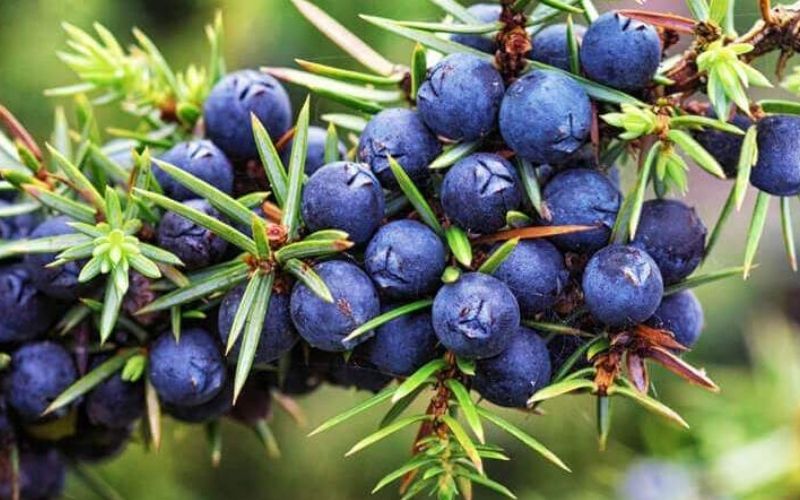
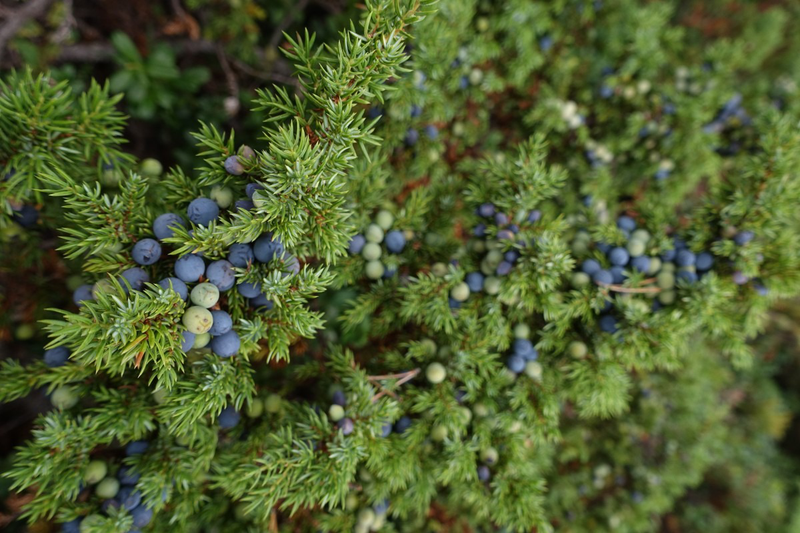
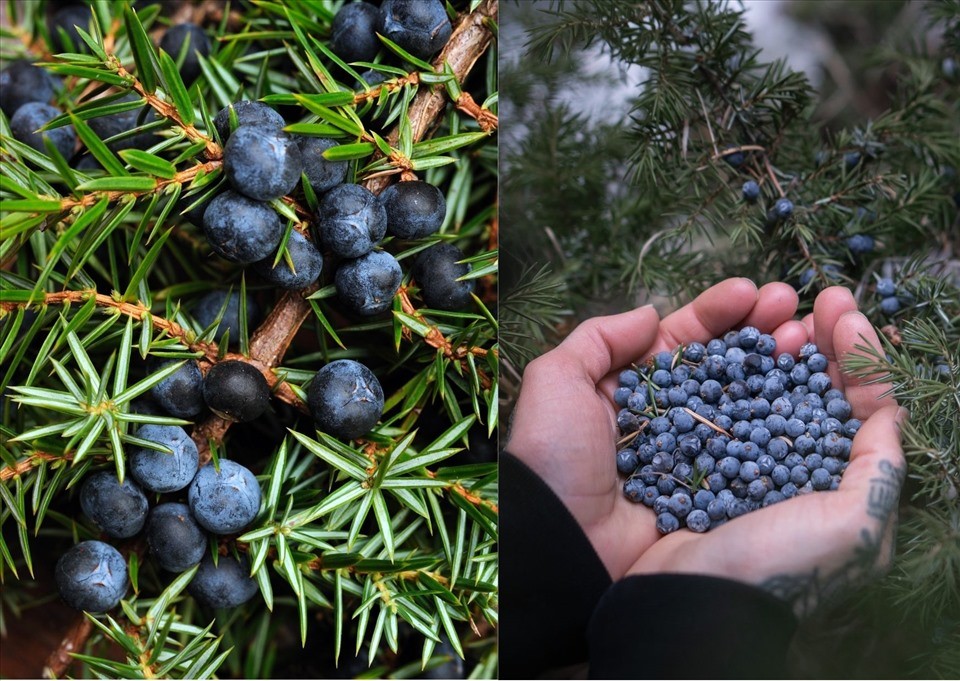
Juniper belongs to the genus Juniperus, a group of evergreen shrubs and trees known for their small blue or purple berries and aromatic needles. These berries are actually seed cones and have been used for centuries in herbal remedies.
Ancient civilizations recognized juniper for both medicinal and spiritual purposes. In ancient Egypt, juniper berries were discovered in tombs and were believed to help with digestive health. Greek physicians used juniper to treat infections and support athletes during the Olympic Games. In medieval Europe, juniper branches were burned to purify the air during outbreaks of disease.
Traditional healers also used juniper for:
-
Supporting digestion
-
Helping cleanse the body
-
Promoting respiratory health
-
Protecting food from spoilage
These historical uses laid the foundation for modern interest in juniper’s natural compounds.
Active Compounds Found in Juniper
Juniper berries contain a variety of plant compounds that contribute to their potential health-supporting properties. These include:
-
Essential oils, such as pinene and limonene
-
Flavonoids, known for antioxidant activity
-
Terpenes, aromatic molecules with antimicrobial properties
-
Tannins, which have mild astringent effects
These compounds give juniper its distinctive scent and may contribute to its biological effects on the body.
Antioxidant Support
One of the most important roles of juniper berries is their antioxidant activity. Antioxidants help protect cells from damage caused by free radicals—unstable molecules produced during normal metabolism and exposure to environmental stress.
Excessive oxidative stress has been linked to aging and various chronic conditions. The flavonoids and polyphenols found in juniper berries may help neutralize these molecules, supporting overall cellular health.
By contributing to antioxidant defenses, juniper may help the body maintain balance in the face of everyday stressors.
Digestive Health Benefits
Juniper has traditionally been used to support digestion. The aromatic compounds in the berries may stimulate digestive enzymes and bile production, helping the body break down food more efficiently.
In herbal medicine, juniper preparations have been used to:
-
Reduce bloating and gas
-
Improve appetite
-
Support stomach comfort after heavy meals
Because of these effects, juniper berries are sometimes included in digestive herbal teas or culinary recipes designed to complement rich foods.
Natural Antimicrobial Properties
Juniper essential oil has demonstrated antimicrobial activity in laboratory studies. Certain compounds in the plant may help inhibit the growth of bacteria and fungi.
Historically, this property led to the use of juniper in preserving foods and purifying spaces. Burning juniper branches was believed to cleanse the air during times of illness.
While modern sanitation methods are far more effective, the antimicrobial qualities of juniper remain a subject of ongoing research.
Respiratory Support
In traditional herbal practices, juniper was sometimes used to support respiratory health. The aromatic oils released by the plant can produce a refreshing scent that may help open the airways and promote easier breathing.
Juniper-infused steam or herbal preparations have been used historically to help relieve symptoms of mild respiratory congestion.
However, individuals with respiratory conditions should consult healthcare professionals before using herbal remedies.
Skin and Topical Applications
Juniper oil has occasionally been used in skincare preparations due to its antimicrobial and anti-inflammatory properties. When diluted properly in carrier oils, it may help support skin cleansing and balance.
In traditional remedies, juniper preparations were used for:
-
Minor skin irritations
-
Cleansing oily skin
-
Supporting wound healing
As with all essential oils, proper dilution is essential to avoid skin irritation.
Detoxification and Fluid Balance
Juniper has been used historically as a mild diuretic, meaning it may encourage the body to eliminate excess fluids through increased urination.
This effect was traditionally associated with “cleansing” the body. In modern terms, diuretic herbs can support kidney function and fluid balance in certain contexts.
However, juniper should be used cautiously and not for extended periods without professional guidance.
Juniper in Modern Culinary Uses
Beyond herbal medicine, juniper berries have a distinctive flavor that makes them popular in cooking. They are often used in European cuisine to season meats such as venison, pork, and game dishes.
Juniper berries also provide the signature flavor in gin, where their aromatic oils create the beverage’s characteristic taste.
Culinary use of juniper typically involves small quantities, which contribute flavor without overpowering the dish.
Safety Considerations
Although juniper offers many potential benefits, it must be used responsibly.
Important considerations include:
-
Excessive consumption may irritate the kidneys
-
Juniper should not be used during pregnancy
-
Individuals with kidney conditions should avoid it unless advised by a healthcare professional
Essential oils should always be diluted before topical use and never consumed without proper guidance.
The Modern Rediscovery of Juniper
As interest in herbal wellness grows, many ancient plants are being revisited by scientists and health practitioners. Juniper is one such plant that bridges traditional knowledge and modern research.
Today, juniper appears in:
-
Herbal teas
-
Essential oil blends
-
Natural skincare products
-
Culinary recipes
Its enduring presence in both traditional and modern applications demonstrates how certain plants continue to offer value across generations.

Final Thoughts
Juniper represents the enduring connection between nature and human health. For centuries, this evergreen plant has been appreciated for its aromatic qualities and potential wellness benefits.
While it is not a substitute for medical treatment, juniper can be viewed as a supportive botanical ally—offering antioxidant protection, digestive support, and natural aromatic benefits.
The story of juniper reminds us that many of the resources needed for wellness have long existed in the natural world. By combining traditional knowledge with modern scientific understanding, we can continue to explore how ancient plants like juniper may contribute to healthier lives today.