The idea that a high protein diet could damage kidney health has been debated for years. From bodybuilding plans to low-carb eating patterns, higher protein intake is often promoted for muscle growth, weight control, and satiety—yet concerns about long-term safety remain.
Many people worry that excess protein overloads the kidneys and increases protein diet risks, especially for those with diabetes or high blood pressure. The reality is more complex. For healthy adults, evidence does not clearly show that high protein causes kidney disease, but for people with existing kidney problems, very high intake may pose real risks.
What a High Protein Diet Means for Kidney Health
When discussing a high protein diet, researchers typically define it as intake above 1.0-1.2 grams per kilogram of body weight per day, with levels exceeding 1.6-2.0 g/kg/day considered very high when maintained long term. For a 70 kg adult, this could mean consistently eating more than 110–140 grams of protein daily. According to the National Kidney Foundation, healthy kidneys are designed to filter waste products from normal protein metabolism, and most people with normal kidney function can handle typical dietary protein without difficulty. The organization emphasizes that protein restriction is mainly recommended for individuals with diagnosed kidney disease rather than the general population .
Protein metabolism produces nitrogen-containing waste such as urea, which the kidneys remove from the bloodstream. In healthy individuals, higher protein intake can temporarily increase filtration rate, a process known as adaptive hyperfiltration, which is not the same as structural kidney damage. While this adaptation has raised questions about potential long-term effects in certain groups, context matters. The overall impact on kidney health depends on total intake, diet quality, and whether kidney function is already impaired.
High Protein Diet and Healthy Kidneys: What Research Shows
When evaluating protein diet risks in people with normal kidney function, large reviews have generally found little evidence of harm. A widely cited meta-analysis available through the National Institutes of Health reviewed multiple controlled trials and found that higher protein intake increased glomerular filtration rate (GFR) but did not show progressive kidney damage in healthy adults. Based on a study conducted by researchers analyzing randomized trials, the rise in GFR appears to reflect physiological adaptation rather than injury in individuals without underlying kidney disease.
At the same time, researchers caution that hyperfiltration could potentially contribute to stress if combined with other risk factors such as uncontrolled hypertension, obesity, or type 2 diabetes. Long-term data spanning several decades remain limited, making absolute certainty difficult. Current evidence suggests that a moderately high protein intake is unlikely to trigger chronic kidney disease in healthy adults, though protein source may matter, with plant-based options often linked to more favorable metabolic and cardiovascular outcomes that indirectly support kidney health.
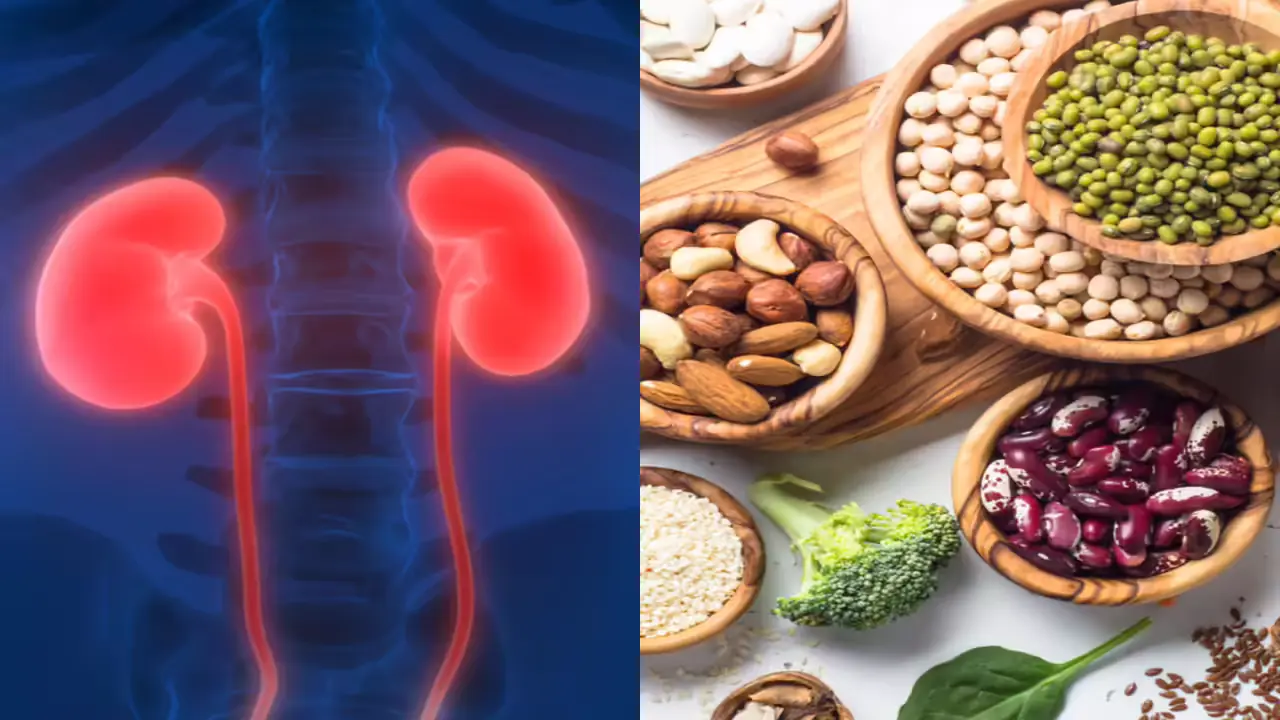
Protein Diet Risks in Chronic Kidney Disease
The picture changes for individuals with chronic kidney disease (CKD), where filtration capacity is already reduced. In this setting, excess dietary protein can increase the workload on compromised filtration units and contribute to higher levels of waste products in the blood. According to the National Institute of Diabetes and Digestive and Kidney Diseases, people with CKD are often advised to moderate protein intake to help slow disease progression, as excess protein may increase waste buildup when kidney function is impaired.
Clinical guidance commonly suggests protein intake in the range of 0.6–0.8 g/kg/day for many non-dialysis CKD patients, although needs vary by disease stage and individual health status. Based on studies conducted in CKD populations, moderate protein restriction has been associated with slower decline in estimated glomerular filtration rate (eGFR) in some individuals. Animal-based proteins may exert greater intraglomerular pressure and dietary acid load compared with plant proteins, potentially accelerating decline in vulnerable patients, which makes individualized medical guidance essential when managing protein diet risks in CKD.
How to Balance a High Protein Diet for Better Kidney Health
For healthy adults pursuing fitness or weight goals, a high protein diet in the range of 1.2–1.6 g/kg/day is generally considered safe. Going far beyond that—especially without medical supervision—offers limited additional benefit and may not be necessary. To support kidney health while maintaining adequate protein intake:
- Focus on balanced distribution of protein across meals rather than consuming very large single servings.
- Combine plant proteins such as beans, lentils, tofu, and nuts with lean animal sources.
- Limit processed meats, which are associated with broader cardiometabolic risks.
- Monitor blood pressure, blood glucose, and body weight, as these are stronger drivers of kidney damage than protein alone.
If you have diabetes, high blood pressure, or a family history of kidney disease, periodic screening of kidney function—such as serum creatinine and urine albumin tests—can help detect issues early. Protein is an essential macronutrient. The goal is not elimination but alignment with personal health status and long-term sustainability.
Protecting Kidney Health While Meeting Your Protein Needs
A high protein diet does not automatically equal kidney damage. For people with healthy kidneys, current evidence shows little proof that moderate to moderately high intake alone causes chronic kidney disease. The body is equipped to adapt to higher protein loads when kidney function is normal.
That said, protein diet risks increase in those with existing kidney impairment or major risk factors. In these cases, moderation and professional guidance matter. Rather than fearing protein, focus on total diet quality, blood pressure control, and metabolic health. With thoughtful planning, it is possible to meet protein needs while protecting long-term kidney health.
Frequently Asked Questions
1. Can a high protein diet cause kidney disease in healthy people?
Current research does not show strong evidence that a high protein diet causes kidney disease in people with normal kidney function. Healthy kidneys can adapt to increased protein intake by temporarily increasing filtration. This adaptation does not automatically mean damage. Long-term extreme intake may not be necessary, but moderate increases appear safe for most healthy adults.
2. How much protein is too much for kidney health?
For healthy adults, intake above 2.0 g/kg/day for prolonged periods may be considered very high. Most benefits for muscle and weight management occur at lower levels, around 1.2–1.6 g/kg/day. Consuming significantly more does not clearly provide extra advantage. People with kidney disease should follow individualized targets from a healthcare provider.
3. Is animal protein worse for kidneys than plant protein?
Animal protein can increase acid load and intraglomerular pressure more than plant protein. Some studies suggest plant-based diets are associated with better kidney outcomes. However, total diet pattern and overall health matter more than a single source. A mixed approach emphasizing plants may support both kidney and heart health.
4. Should people with chronic kidney disease avoid protein completely?
People with CKD should not eliminate protein entirely. Protein is essential for maintaining muscle and immune function. Instead, they are usually advised to consume moderate, carefully planned amounts. A renal dietitian can tailor intake based on disease stage and overall health needs.