It may sound like a simple — even slightly awkward — topic, but how often you change your underwear has a real and measurable impact on personal hygiene, skin health, and overall comfort. Medical professionals and hygiene experts consistently emphasize that underwear plays a vital protective role. It sits directly against some of the most sensitive areas of the body, acting as a barrier between skin and clothing while absorbing sweat, oils, and natural discharge.
When worn for too long, however, that same layer can become a breeding ground for bacteria and fungi. Changing it regularly is not just about freshness — it is about preventing irritation, infection, and long-term discomfort.
So how often is enough? The short answer is simple, but the full explanation deserves a closer look.
The General Rule
For most people, underwear should be changed at least once every day.
This recommendation is supported by dermatologists and general hygiene guidelines. Even if underwear appears clean or does not have a noticeable odor, microorganisms accumulate throughout the day. Daily replacement helps maintain a healthy balance of skin flora and reduces the risk of irritation.
However, daily may not always be sufficient. Certain circumstances require more frequent changes.
Why Daily Changes Matter
Underwear sits in an environment that naturally produces:
-
Sweat
-
Body oils
-
Dead skin cells
-
Bacteria
Warmth and moisture create ideal conditions for microbial growth. Even on a relatively cool day, friction and limited airflow allow bacteria to multiply. Over time, prolonged exposure to moisture can compromise the skin barrier.
Changing underwear daily helps to:
-
Reduce bacterial buildup
-
Lower the risk of fungal infections
-
Minimize odor
-
Protect delicate skin
-
Support genital hygiene
This small daily habit significantly lowers the likelihood of conditions such as yeast infections, skin rashes, and urinary tract infections.
.jpg)
When You Should Change Underwear More Than Once a Day
After Heavy Sweating
If you exercise, work in high temperatures, or sweat heavily, underwear should be changed as soon as possible afterward. Damp fabric traps moisture against the skin, increasing the risk of fungal growth and irritation.
Remaining in sweat-soaked underwear for extended periods creates an environment where microorganisms thrive.
During Hot or Humid Weather
High humidity slows evaporation. Even moderate perspiration can leave underwear damp for hours. In hot climates or summer months, changing twice daily may improve comfort and reduce infection risk.
If You Have Sensitive Skin or a Skin Condition
Individuals dealing with:
-
Yeast infections
-
Fungal infections
-
Eczema
-
Recurrent irritation
may benefit from more frequent changes to keep the area dry and reduce friction.
During Menstruation
During menstrual periods, underwear should be changed at least once daily — and more often if there is leakage or increased moisture. Maintaining dryness during this time helps prevent irritation and unpleasant odor.
Is It Ever Safe to Wear Underwear for More Than One Day?
In routine circumstances, no.
Even if underwear looks and smells clean, bacteria are still present. Rewearing underwear increases the risk of:
-
Skin irritation
-
Odor buildup
-
Yeast infections
-
Urinary tract infections
While emergencies may occasionally require extended wear, it should not become a habit.
Sleeping Without Underwear: Is It Beneficial?
Some healthcare professionals suggest that sleeping without underwear — particularly for women — may promote better airflow and reduce moisture retention overnight.
Benefits may include:
-
Improved ventilation
-
Lower risk of yeast overgrowth
-
Reduced friction
If choosing this option, it is important to wear clean, breathable sleepwear and maintain fresh bedding.
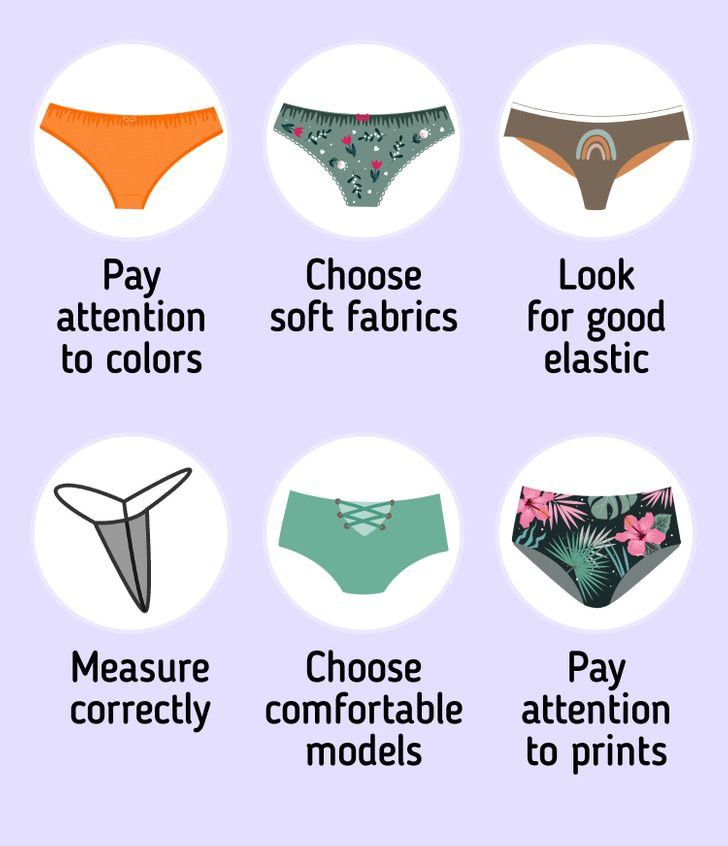
Does Fabric Choice Make a Difference?
Fabric plays a significant role in moisture control and comfort.
Recommended Materials
-
Cotton: Breathable and moisture-absorbing
-
Bamboo: Naturally breathable and gentle on skin
-
Modal: Soft and moisture-wicking
These materials allow airflow and reduce heat buildup.
Materials to Be Cautious With
-
Polyester
-
Nylon
-
Tight synthetic blends
Synthetic fabrics may trap heat and moisture, increasing bacterial growth. If wearing synthetic materials, more frequent changes are advisable.
Washing Guidelines
Underwear should always be:
-
Washed after every single wear
-
Cleaned according to fabric instructions
-
Fully dried before reuse
Wearing damp underwear encourages bacterial growth. Proper drying is just as important as washing.
Signs You May Not Be Changing Often Enough
Your body may indicate when hygiene habits need adjustment. Warning signs include:
-
Persistent itching
-
Redness or rashes
-
Unusual odor
-
Recurrent infections
-
Discomfort throughout the day
If these symptoms occur, increasing the frequency of changes and choosing more breathable fabrics may help.
Lifestyle Considerations
Active Individuals
Those who exercise regularly should change underwear after workouts. Carrying a spare pair can be helpful during long days.
Sedentary Workers
For office-based or low-activity lifestyles, once daily is generally sufficient — unless sweating occurs.
Travel or Long Flights
Extended sitting can trap heat and moisture. Changing after long travel periods improves comfort and hygiene.

The Bottom Line
Changing underwear daily is not merely a matter of preference — it is a basic hygiene practice that protects skin integrity and reduces infection risk.
The core principle is simple:
-
Change at least once a day.
-
Change more often if sweating or moisture occurs.
-
Choose breathable fabrics.
-
Wash after every use.
It is a small routine habit, yet it contributes significantly to comfort, cleanliness, and overall health.
Sometimes, maintaining well-being comes down to the simplest daily practices — and this is one of them.