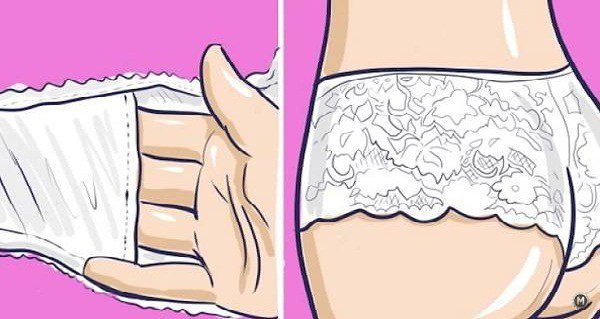
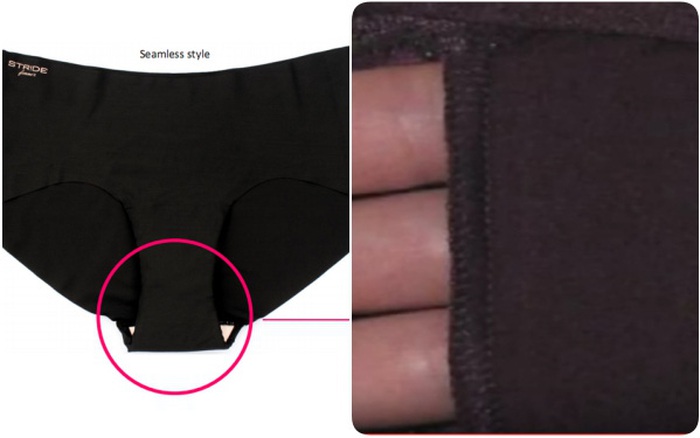
At first glance, it looks like a tiny, unfinished pocket stitched into the crotch area of women’s underwear. Many people assume it is decorative, poorly sewn, or even a manufacturing mistake. In reality, that small “pocket” has a very practical and important purpose.
The feature is known as the gusset, and it plays a significant role in comfort, hygiene, and garment durability. Although often overlooked, it is carefully designed to support health and functionality.
Let’s take a closer look at why it exists and why it matters.

What Is the Gusset?
The gusset is an extra layer of fabric sewn into the crotch area of underwear. In many designs, it appears as a small pocket because one end may be left partially open during stitching.
This is not intended for storage. Instead, it serves structural and hygienic purposes.
1. Improved Hygiene and Breathability
One of the primary reasons for the gusset is hygiene.
Most underwear is made from synthetic materials such as nylon, lace, or polyester for stretch and appearance. However, these fabrics may not be breathable enough for sensitive areas of the body.
The gusset is typically made from cotton, which:
-
Allows better airflow
-
Absorbs moisture
-
Reduces heat buildup
-
Helps maintain a balanced environment
This added layer helps decrease irritation and lowers the risk of bacterial or yeast overgrowth caused by trapped moisture.
2. Enhanced Comfort
The crotch area experiences friction throughout the day due to movement, walking, and sitting.
The gusset provides:
-
Extra softness
-
Reduced seam irritation
-
Improved flexibility
-
Better overall fit
By reinforcing this high-contact area, the underwear becomes more comfortable during daily wear.
3. Structural Support and Durability
Underwear is subjected to frequent stretching and washing. The gusset strengthens the most stress-prone part of the garment.
It helps:
-
Prevent tearing
-
Maintain shape
-
Improve longevity
The partially open stitching sometimes seen in gussets is part of the manufacturing process. It allows the garment to be sewn cleanly without exposing raw edges, creating a smoother interior finish.
4. Health Considerations
Maintaining proper airflow and dryness in intimate areas is important for overall comfort and health. Excess moisture can contribute to irritation, infections, or unpleasant odors.
The cotton gusset acts as a protective barrier that absorbs natural moisture while allowing the skin to breathe.
This design detail reflects both functional engineering and awareness of hygiene needs.
Why It Looks Like a Pocket
The reason it appears pocket-like is technical.
During production, the gusset is sewn in a way that hides seams between layers of fabric. Leaving one side partially open allows manufacturers to:
-
Conceal stitching
-
Create a cleaner finish
-
Improve flexibility
It is not intended to store items, even though it resembles a small compartment.
Should You Remove It?
Some people mistakenly believe the opening is a defect and attempt to sew it shut or cut it away. This is not recommended.
Altering the gusset may:
-
Reduce breathability
-
Create discomfort
-
Damage the garment
It is best left as designed.
Final Thoughts
The small “pocket” inside women’s underwear is not decorative or accidental. It is a thoughtfully designed feature that improves hygiene, comfort, and durability.
Often unnoticed, the gusset plays a quiet but essential role in daily wear. What may seem like a minor detail is actually an important example of functional garment design.
Sometimes the smallest features serve the most practical purposes — even when they go completely unnoticed.