No matter your income level, the condition of your living space has a powerful influence on your physical health, mental clarity, and long-term well-being. A safe, organized, and hygienic home does not depend on wealth — it depends on awareness and small, intentional habits.
There are certain items that should never be kept in the house, regardless of financial situation. Holding onto them can quietly affect your safety, hygiene, and even your mindset. Let’s look at four things that are best removed without delay.
1. Expired or Spoiled Food
Keeping expired food “just in case” may seem practical when money is tight. However, spoiled or outdated food can:
-
Promote bacterial growth
-
Cause food poisoning
-
Attract pests
-
Produce unpleasant odors
Even non-perishable goods lose quality over time. Moldy bread, expired canned goods, and forgotten leftovers create hidden health risks.
What to Do:
-
Check expiration dates monthly
-
Discard moldy or questionable items immediately
-
Organize shelves using a “first in, first out” system
-
Keep dry foods in airtight containers
Food safety should never be compromised, no matter your budget.

2. Broken or Unsafe Electrical Items
Old extension cords, damaged chargers, faulty appliances, and exposed wires are serious fire hazards.
Electrical problems can lead to:
-
Short circuits
-
Electrical shocks
-
House fires
Keeping broken electronics to “repair later” can be dangerous if they are still plugged in or stored improperly.
What to Do:
-
Unplug and discard damaged cords
-
Avoid overloading power strips
-
Repair or replace unsafe devices promptly
-
Keep electrical areas dry and uncluttered
Safety always comes first.

3. Excess Clutter and Unused Items
Accumulated clutter affects more than just appearance. It can:
-
Collect dust and allergens
-
Increase stress levels
-
Reduce usable space
-
Create tripping hazards
Clutter often builds gradually — old clothes, unused containers, broken furniture, or items kept out of guilt.
Even small living spaces can feel calm and comfortable when organized.
What to Do:
-
Donate usable items
-
Recycle when possible
-
Dispose of broken or unusable objects
-
Declutter one area at a time
Letting go of unused items can improve both mental clarity and daily functionality.

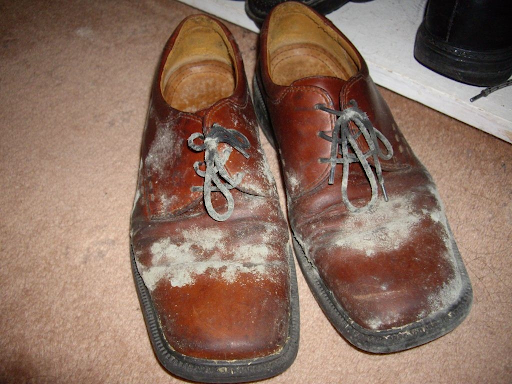
4. Moldy or Damp Materials
Damp bedding, moldy clothing, wet carpets, or poorly ventilated bathrooms create ideal environments for mold growth.
Mold exposure may cause:
-
Allergic reactions
-
Respiratory irritation
-
Headaches
-
Worsening asthma symptoms
Even small patches of mold should not be ignored.
What to Do:
-
Improve ventilation
-
Use sunlight to dry fabrics
-
Discard heavily mold-damaged materials
-
Fix leaks promptly
Maintaining a dry environment protects your health long term.
Why This Matters
Financial hardship does not mean accepting unsafe or unhealthy conditions. Removing hazardous or unhygienic items does not require money — it requires attention and action.
A safe home environment supports:
-
Better physical health
-
Improved mental focus
-
Reduced stress
-
Greater peace of mind
Sometimes the most powerful improvements cost nothing at all.
A Clean and Safe Home Is a Foundation, Not a Luxury
Regardless of income, everyone deserves a safe place to live. Clearing out expired food, unsafe electronics, unnecessary clutter, and mold-damaged materials helps create a healthier space for you and your family.
Small steps taken consistently can make a meaningful difference over time. A secure and organized home is not about wealth — it is about prioritizing safety, health, and well-being.