Construction Engineers Warn: “I’d Rather Lose Usable Floor Space Than Build a Bathroom Under the Staircase”
In compact homes, especially townhouses and narrow urban builds, space is everything. And when square meters are limited, homeowners often look under the staircase and think: Perfect spot for a small bathroom.
On paper, it seems efficient. In reality? Many construction engineers strongly advise caution.
Here’s why professionals sometimes say they would rather sacrifice usable space than install a bathroom under the stairs.
1. Structural Integrity Comes First
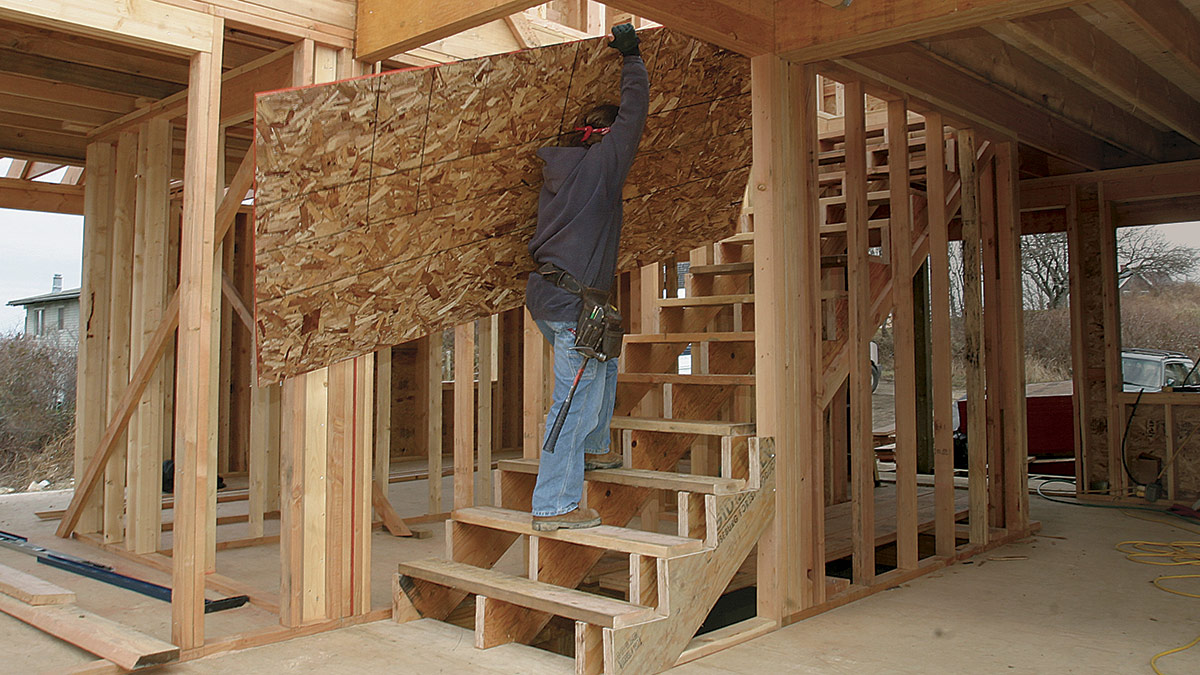


A staircase is not just a design element. It is a load-bearing structure.
Depending on the home’s layout, stairs may:
-
Transfer weight between floors
-
Connect to load-bearing walls
-
Anchor structural beams
Altering space beneath the stairs may require cutting into support framing, modifying joists, or rerouting beams.
If done improperly, this can compromise:
-
Structural stability
-
Weight distribution
-
Long-term durability
Even small plumbing adjustments can interfere with key support components.
Engineers prioritize safety over convenience — and structural risks are never worth cosmetic gain.
2. Plumbing and Drainage Challenges
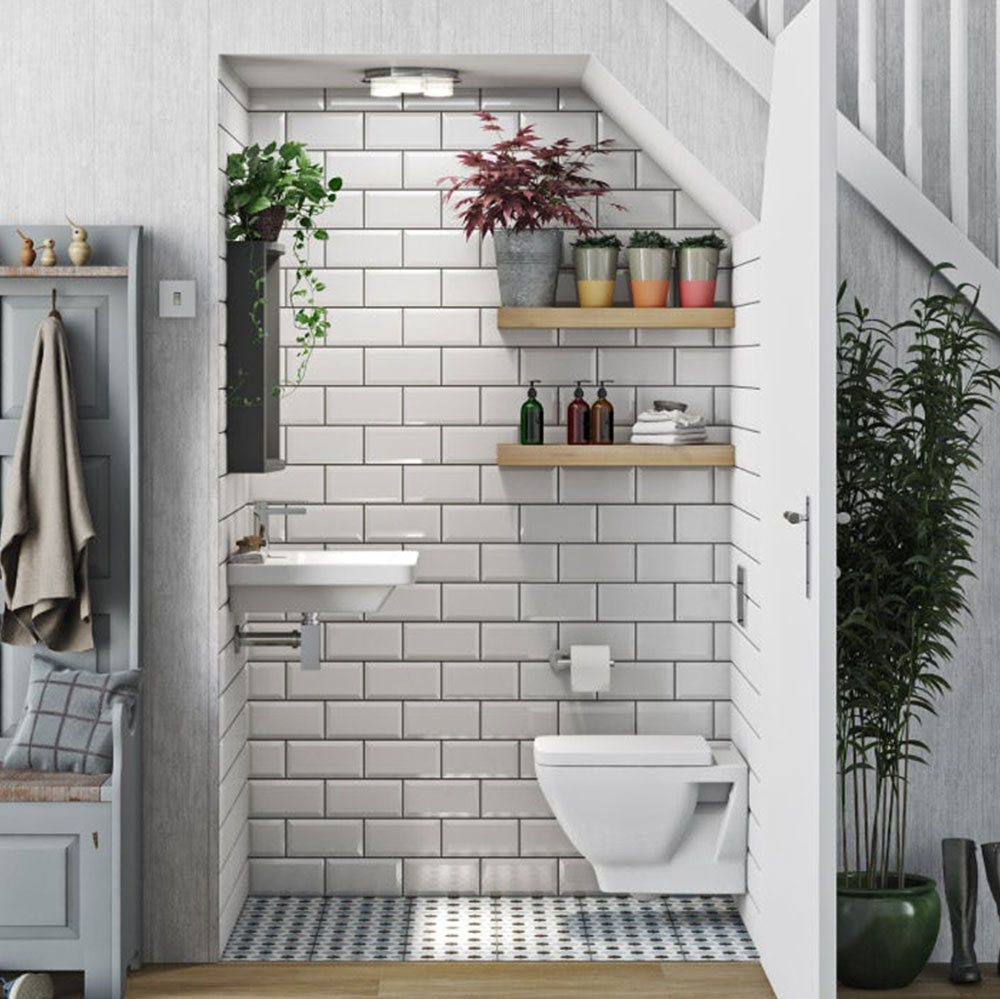


Bathrooms require proper:
-
Water supply lines
-
Drainage slope
-
Ventilation pipes
-
Waste pipe routing
The problem? Under-stair spaces often have limited ceiling height and awkward angles.
Drain pipes must maintain a specific slope for gravity flow. If the location does not allow correct pipe alignment, you risk:
-
Frequent clogs
-
Slow drainage
-
Sewage backflow
Improper plumbing installation in tight spaces becomes expensive to fix later.
3. Headroom and Code Compliance
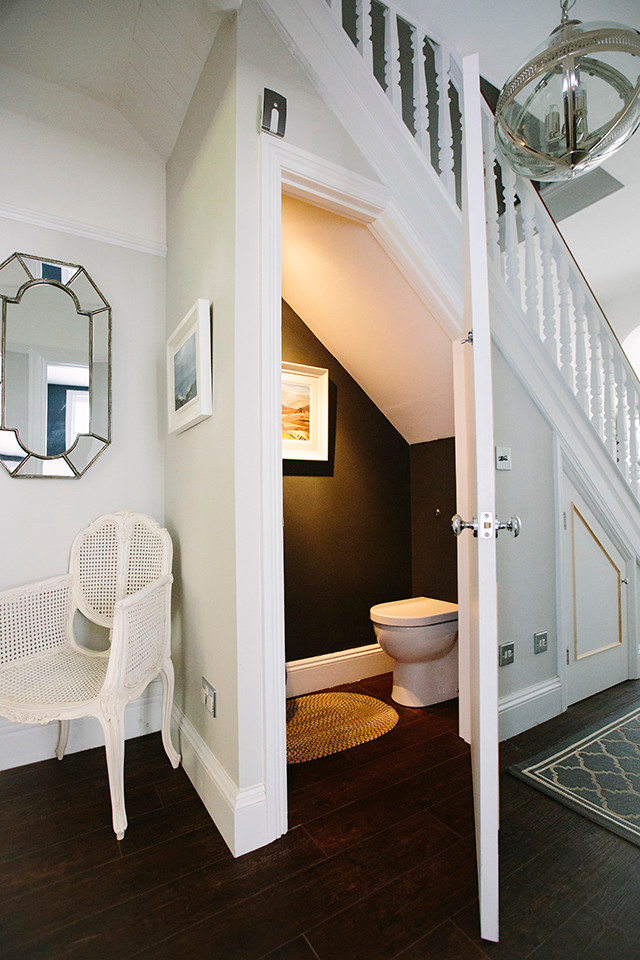
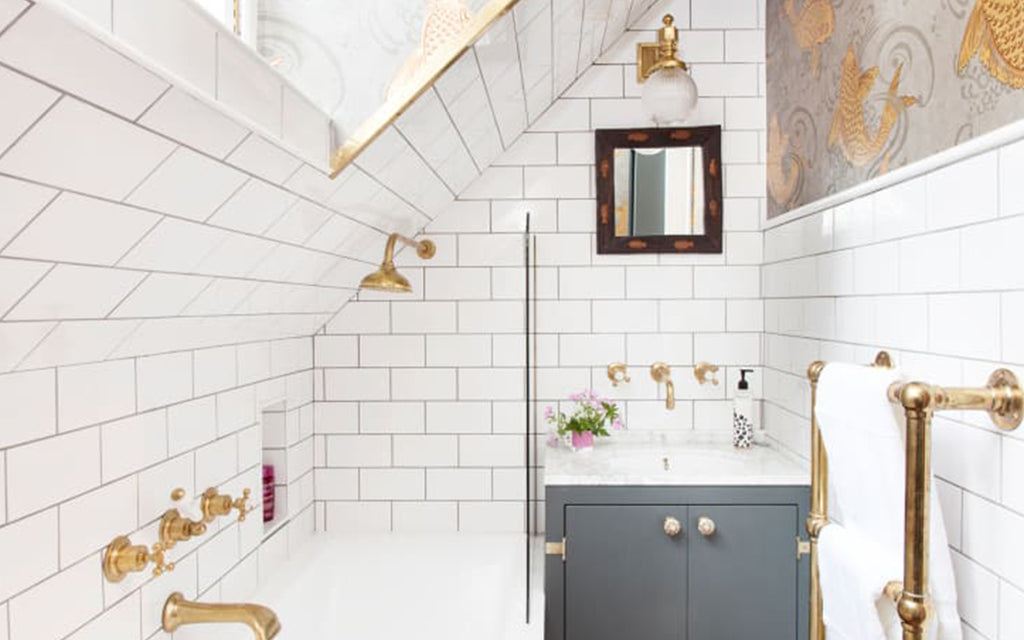

Building codes typically require minimum head clearance and usable space dimensions.
Under-stair bathrooms often suffer from:
-
Low ceiling height
-
Cramped toilet positioning
-
Limited standing area
-
Restricted accessibility
If the ceiling slopes too sharply, taller users may experience discomfort — or even injury.
In many regions, code violations can result in:
-
Failed inspections
-
Fines
-
Difficulty selling the property
A bathroom must be functional, not just technically possible.
4. Ventilation and Moisture Risks

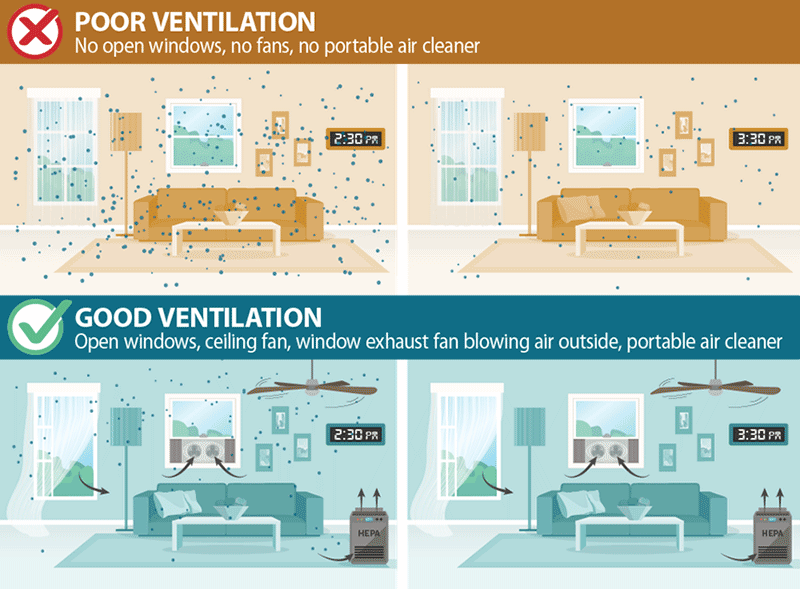

Bathrooms generate high humidity.
In an enclosed under-stair cavity, poor ventilation can cause:
-
Mold growth
-
Wood rot
-
Structural deterioration
-
Unpleasant odors
Staircases are typically constructed from wood or composite materials sensitive to moisture.
Without proper ventilation and waterproofing, long-term damage becomes a real risk.
5. Noise and Privacy Issues
An under-stair bathroom is often located near:
-
Living rooms
-
Dining areas
-
Entryways
Sound transmission through stair framing can amplify flushing, running water, and ventilation noise.
In open-concept homes, this can become a daily annoyance.
Privacy also becomes a concern when bathrooms are positioned directly adjacent to high-traffic areas.
6. Property Value Considerations
A poorly designed under-stair bathroom can negatively impact resale value.
Buyers may view it as:
-
Cramped
-
Improperly built
-
A future maintenance issue
On the other hand, sacrificing a bit of floor space to build a properly sized, well-ventilated bathroom may increase long-term value and appeal.
Functionality typically outweighs space efficiency in real estate decisions.
When Is It Acceptable to Build One?
An under-stair bathroom is not automatically a mistake.
It can work if:
-
Structural evaluation confirms safety
-
Plumbing slope is achievable
-
Proper waterproofing is installed
-
Ventilation meets standards
-
Code compliance is verified
In small guest powder rooms (toilet + sink only), the risks may be manageable.
However, attempting to install a full shower bathroom under a staircase significantly increases complexity.
What Engineers Prioritize
Construction engineers evaluate:
-
Load paths
-
Moisture control
-
Ventilation
-
Code compliance
-
Long-term maintenance
They are trained to think beyond appearance — and focus on durability and safety over short-term convenience.