In the age of compact living and smart interior design, homeowners are constantly searching for creative ways to maximize every square meter. One popular idea is installing a bathroom beneath the staircase—a solution often praised for saving space and increasing property value. Yet for many architects, designers, and homeowners, this trend comes with serious concerns. Some even insist that no amount of money would convince them to build a bathroom under the stairs.
At first glance, the concept makes sense. Staircases often create unused space that feels wasted, especially in smaller homes or urban apartments where every corner counts. Turning that area into a functional restroom seems efficient. However, the reality of building and maintaining an under-stair bathroom is far more complicated than it appears.
Limited Space, Limited Comfort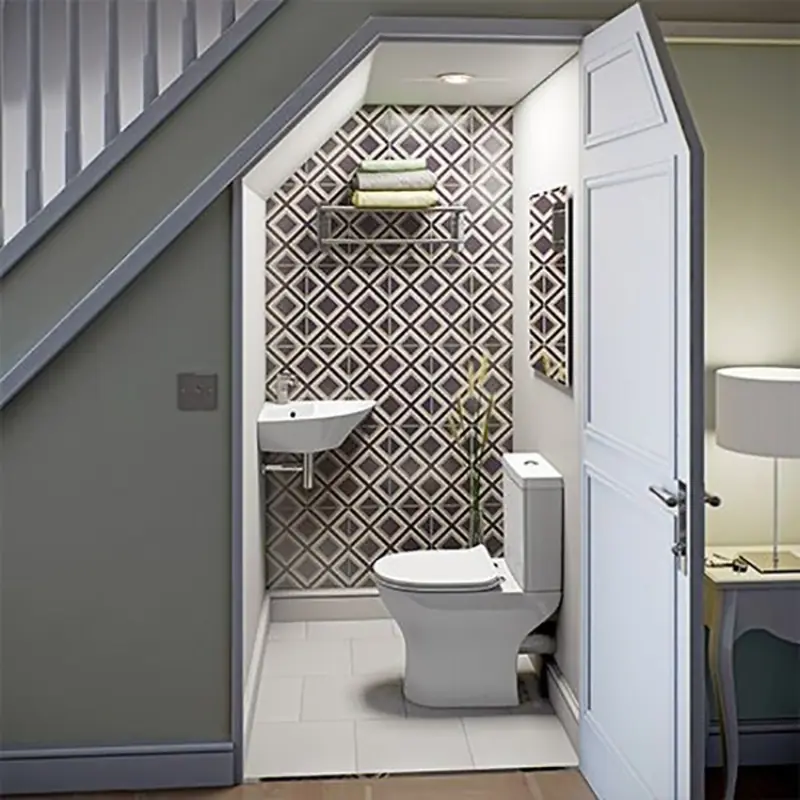
The most obvious challenge is space. Staircases slope downward, meaning ceiling height varies dramatically from one end to the other. This uneven structure makes it difficult to install standard fixtures such as showers, toilets, and sinks without compromising comfort.
Many under-stair bathrooms feel cramped and awkward, forcing users to bend or move carefully. Even when cleverly designed, they rarely provide the comfort of a regular bathroom. For families with elderly members or children, this lack of accessibility can become a daily inconvenience rather than a clever design feature.
Plumbing Complications
One of the biggest hidden issues lies behind the walls: plumbing. Bathrooms require proper drainage, water supply lines, and ventilation systems. Installing these under a staircase often means rerouting existing pipes or adding entirely new ones.
This process can be both expensive and technically challenging. If the staircase is located far from the main plumbing system, the cost of installation may skyrocket. Poorly executed plumbing can also lead to long-term problems such as leaks, blockages, or unpleasant odors that are difficult to fix once the structure is complete.
For older homes, the risks are even higher. Modifying structural areas to accommodate plumbing may weaken certain parts of the house if not handled carefully. In many cases, what begins as a small renovation can quickly turn into a major construction project.
Ventilation and Hygiene Concerns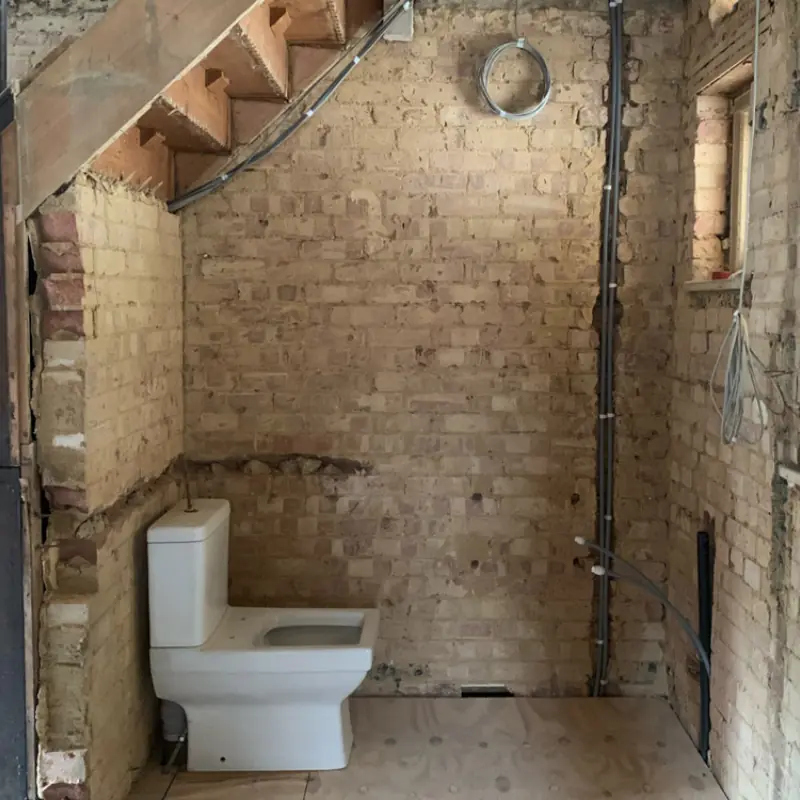
Bathrooms need proper ventilation to prevent moisture buildup, mold growth, and lingering odors. Under-stair spaces often lack windows or natural airflow, making ventilation a significant challenge.
Without an effective ventilation system, humidity can accumulate quickly, damaging walls, ceilings, and nearby wooden structures. Over time, this can lead to mold and mildew—problems that not only damage property but also affect indoor air quality and health.
Installing mechanical ventilation can help, but it adds to the overall cost and still may not fully solve the issue in tightly enclosed spaces.
Design Limitations
From an aesthetic perspective, under-stair bathrooms can be difficult to design attractively. The irregular shape limits layout options, making it hard to achieve a balanced and visually pleasing space. Storage is often minimal, and lighting can feel dim or artificial.
While skilled designers can create impressive results, achieving both functionality and beauty requires careful planning and often a higher budget. Even then, the final outcome may still feel like a compromise rather than a highlight of the home.
Property Value Considerations
Some homeowners install under-stair bathrooms hoping to increase property value. In certain markets, an extra restroom can indeed make a home more appealing. However, poorly designed or cramped bathrooms can have the opposite effect.
Potential buyers may view the space as impractical or worry about maintenance issues. Instead of adding value, the bathroom could become a feature that requires explanation—or renovation—before a sale.
Is It Ever Worth It?
Despite these drawbacks, under-stair bathrooms are not always a bad idea. In very small homes where space is extremely limited, they can serve as convenient powder rooms if designed properly. The key is realistic expectations and professional planning.
Homeowners considering this option should consult experienced architects and contractors, ensure proper ventilation and plumbing, and prioritize comfort over novelty. A well-designed small bathroom can be useful, but cutting corners often leads to regret.
Final Thoughts
The idea of transforming unused space into something functional is appealing, but not every space is suitable for every purpose. For many homeowners and designers, the risks and limitations of building a bathroom under the stairs outweigh the benefits.