
Rising Cases of Kid.ney Can.cer Worldwide: Three Signs That Appear in Both Early and Late Stages
Kidney cancer often presents with subtle symptoms that are easy to overlook. However, data show that whether detected in the early or late stages, patients commonly experience three notable signs.
According to GLOBOCAN 2020 data, more than 430,000 new cases of kidney cancer are recorded globally each year, with Vietnam accounting for approximately 1,700–2,000 cases. The incidence of this cancer has been increasing worldwide, particularly in developing countries such as Vietnam, Tuổi Trẻ reported.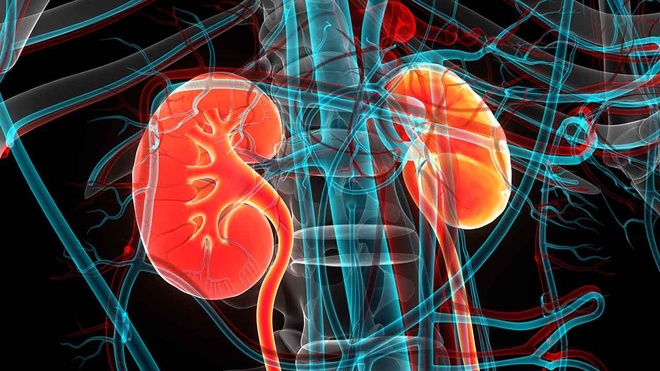
The 12th annual survey by Kidney Cancer UK found that one in five kidney cancer patients is diagnosed at stage 4—the most advanced stage—when the five-year survival rate drops significantly.
According to the Daily Mail, one of the biggest challenges is that stages 1 and 2 often present with little to no symptoms. Many cases are discovered incidentally when patients undergo medical examinations for unrelated reasons.
The Three Most Common Signs of Kidney Cancer
The Daily Mail, citing survey data from Kidney Cancer UK, reports that regardless of whether the disease is detected early or late, the following three symptoms are the most frequently observed among kidney cancer patients:
Back, side, or flank pain:
This is the most common symptom. The pain is often dull and persistent, making it easy to mistake for muscle strain or spinal issues.
Blood in the urine (hematuria):
This is an important symptom and was once considered the primary warning sign. However, not all patients experience it in the early stages.
Persistent fatigue:
Ongoing tiredness is also a common symptom of kidney cancer, particularly in later stages, though it can appear in earlier stages as well.
Notably, survey data from Kidney Cancer UK indicate that 29% of patients in stages 1–3 and 15% of those in stage 4 reported no symptoms at all.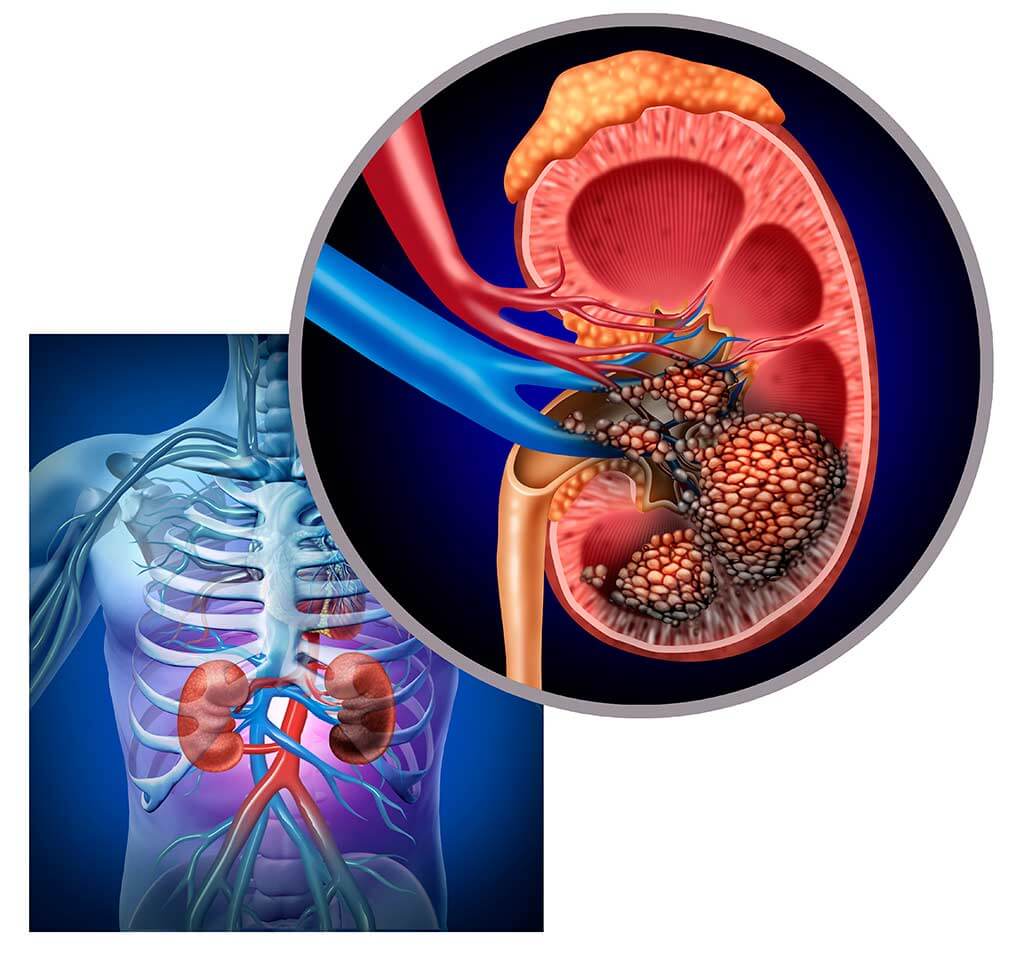
In addition to the three primary signs, patients with advanced kidney cancer often experience rapid weight loss, loss of appetite, and physical decline.
Experts Warn of Missed Diagnoses
Professor Grant Stewart of the Department of Oncology at the University of Cambridge and a urologist at Addenbrooke’s Hospital (UK) emphasized that kidney cancer frequently presents with nonspecific symptoms that are easily overlooked or misdiagnosed as other conditions. Delayed diagnosis limits treatment options and significantly affects survival outcomes.
At stage 3, approximately 75% of kidney cancer patients survive for more than five years. However, once the disease progresses to stage 4—when the cancer has spread to other organs—the five-year survival rate drops to just 10–15%.
Experts stress that paying attention to seemingly vague symptoms such as persistent back pain, blood in the urine, or unusual fatigue may encourage earlier medical consultation, thereby improving treatment opportunities and survival chances.