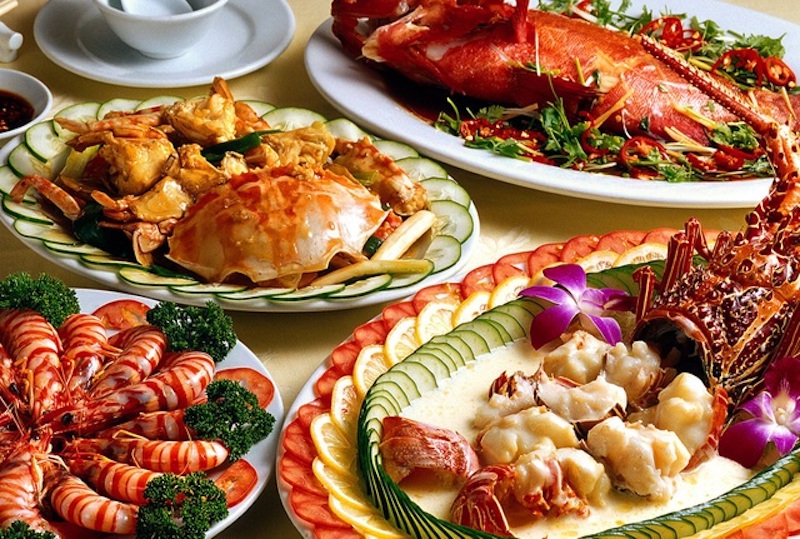
Many people have the habit of storing leftover food in the refrigerator to eat the next day. In busy households, it is also common to cook
larger portions that can last for several meals. From a practical standpoint, this saves time, reduces food waste, and helps manage tight
schedules.
However, food storage is not just about convenience. Improper storage and reheating can carry health risks — sometimes serious ones.
Recently, a tragic case drew public attention. A 50-year-old man in China was hospitalized after suffering from severe diarrhea more than ten
times a day. He had reportedly eaten leftover food stored at home. Despite receiving intravenous fluids, his condition suddenly worsened. He
lost consciousness and was transferred to a higher-level hospital. Unfortunately, his heart stopped shortly after arrival, and despite nearly 40
minutes of resuscitation, he could not be revived.
Doctors suggested that he may have developed acute enteritis — severe inflammation of the intestines — possibly triggered by contaminated
food. The intense diarrhea caused a dangerous electrolyte imbalance in his body. This imbalance led to acidosis and hyperkalemia (elevated
potassium levels), both of which can become life-threatening if not corrected quickly.
While this case is extreme, it raises an important question: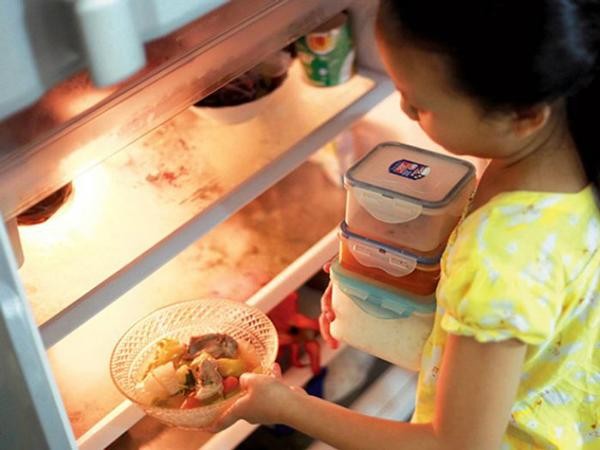
How dangerous is leftover food, and can it even increase cancer risk?
Are Overnight Leftovers Really Harmful?
When discussing leftovers, it’s important to clarify that the issue is not only food left “overnight.” In many cases, food stored for more than 8–
10 hours — especially at room temperature — can already be considered risky.
To better understand the health impact of leftovers, the Ningbo Food Testing and Inspection Institute conducted a practical experiment.
Researchers purchased common ingredients such as meat, fish, and vegetables and prepared 30 dishes using typical household cooking
methods.
The dishes were categorized into:
-
Meat dishes
-
Mixed meat-and-vegetable dishes
-
Vegetarian dishes
-
Cold dishes
They were then stored under two conditions:
-
Refrigerated at 4°C
-
Left at room temperature (25°C)
What did the results show?
• Vegetables stored at 4°C for less than 6 hours showed minimal changes in nitrite levels and limited microbial growth.
• Vegetables stored at 25°C for more than 6 hours showed significant microbial growth, even though nitrite levels did not increase
dramatically.
Overall, the findings suggest that when food is stored properly at low temperatures (around 4°C), sealed well, and consumed within 24
hours, the levels of harmful bacteria and nitrites generally remain within safe limits.
So, leftovers themselves are not automatically dangerous. The real risks arise from improper storage, prolonged exposure to room
temperature, and repeated reheating.
Can Leftover Food Cause Cancer?
There is a common belief that overnight vegetables or reheated food can cause cancer due to increased nitrite levels. Scientifically, this
concern is often exaggerated.
Nitrites can form under certain conditions, particularly in nitrate-rich vegetables. However, when food is refrigerated properly and consumed
within a reasonable time frame, nitrite levels typically remain low.
The greater concern is bacterial contamination, not cancer. Improper storage allows bacteria to multiply rapidly. Some bacteria produce
toxins that cannot be destroyed by reheating. Over time, repeated exposure to unsafe food could contribute to long-term digestive problems,
but occasional properly stored leftovers are unlikely to directly cause cancer.
That said, fresh food remains nutritionally superior. Even when leftovers are safe, nutrient levels decline over time.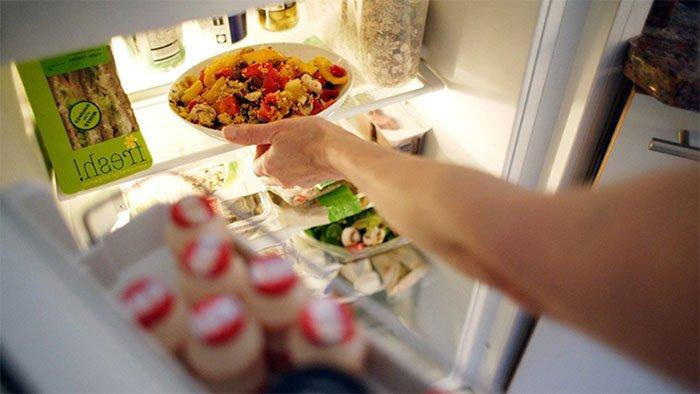
5 Foods You Should Be Especially Careful With
While most properly stored leftovers are safe within 24 hours, some foods carry higher risk.
1. Mushrooms and Wood Ear Fungus
These foods contain complex protein compounds and naturally occurring nitrates. When stored for too long, especially in warm conditions,
bacterial growth can increase. Reheating may not eliminate all toxins formed during storage. Ideally, these foods should be eaten the same
day they are prepared.
2. Leafy Green Vegetables
Leafy greens are naturally high in nitrates. If left at room temperature, bacteria can convert nitrates into nitrites. Additionally, the vitamins and
antioxidants in leafy greens degrade quickly, reducing nutritional value. They are best consumed fresh.
3. Soy Products
Tofu and soy milk are rich in protein and moisture — perfect conditions for bacterial growth if not stored properly. In rare cases, improper
storage may allow contamination by harmful bacteria. These products should always be refrigerated promptly and consumed quickly.
4. Soft-Boiled Eggs
Eggs that are not fully cooked may still contain bacteria. Because they are nutrient-dense, bacteria can multiply quickly if they are left too
long. Fully cooked eggs are safer, but even then, storage time should be limited.
5. Seafood
Some bacteria found in seafood can survive cooking. While refrigeration slows their growth, it does not eliminate them entirely. Over time,
protein breakdown can produce harmful compounds that may strain the liver and kidneys. Seafood is best consumed fresh and should not be
stored for extended periods.
How to Store Leftovers Safely
Food safety does not require avoiding leftovers entirely. Instead, it requires proper handling.
1. Cool and Refrigerate Quickly
Do not leave cooked food at room temperature for more than 1–2 hours. Refrigerate promptly.
2. Store at 4°C or Below
Keep your refrigerator at or below 4°C to slow bacterial growth.
3. Use Airtight Containers
Seal food tightly using containers or plastic wrap to reduce exposure to air and bacteria.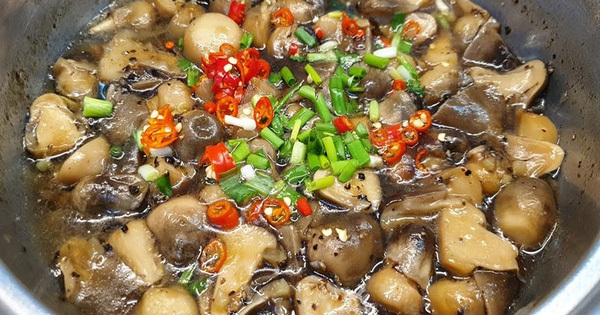
4. Separate Meat and Vegetables
Storing foods separately reduces cross-contamination risk.
5. Limit Storage Time
Consume leftovers within 24 hours when possible. Avoid storing cooked food for more than one day.
6. Reheat Only Once
Repeated reheating increases bacterial risk and nutrient loss.
Final Thoughts
Leftovers are not inherently dangerous. When stored properly at low temperatures, sealed carefully, and consumed within a reasonable time
frame, they are generally safe.
The real danger lies in:
-
Leaving food at room temperature too long
-
Storing food for multiple days
-
Reheating repeatedly
-
Ignoring signs of spoilage
The tragic case mentioned earlier highlights how severe foodborne illness can become under certain circumstances. However, it should serve
as a reminder of food safety — not as a reason for fear.
Fresh food is always ideal, but when leftovers are handled responsibly, they can be part of a safe and practical routine.
When in doubt, remember a simple rule: If the smell, texture, or taste seems unusual — do not eat it.
Safe storage saves time. Safe habits save health.