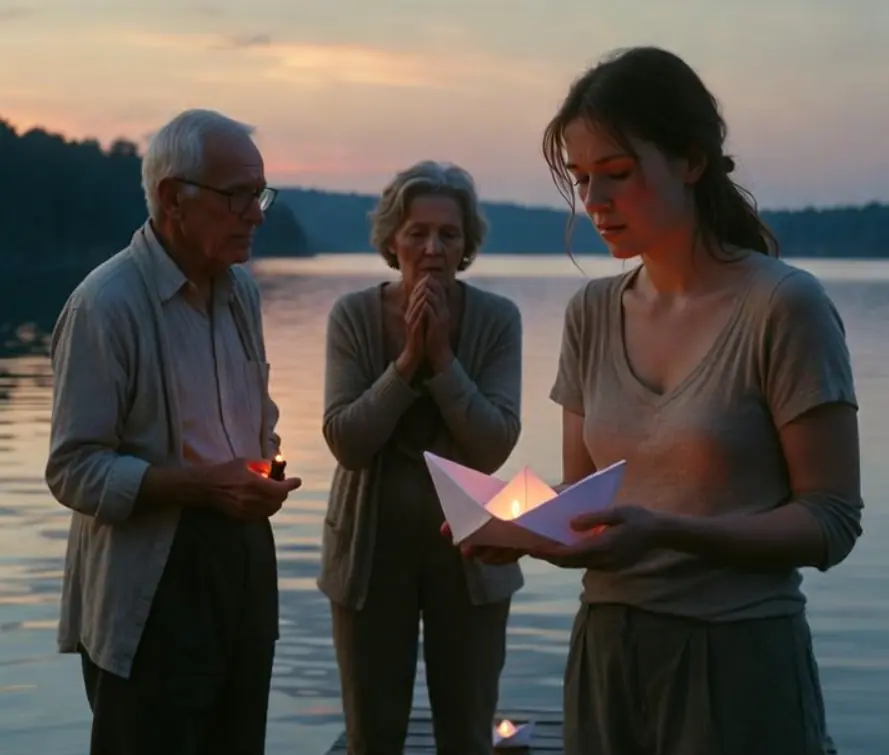
I realized our family traditions were hiding something unspoken
I realized our family traditions were hiding something unspoken
Story 11/02/2026 10:30
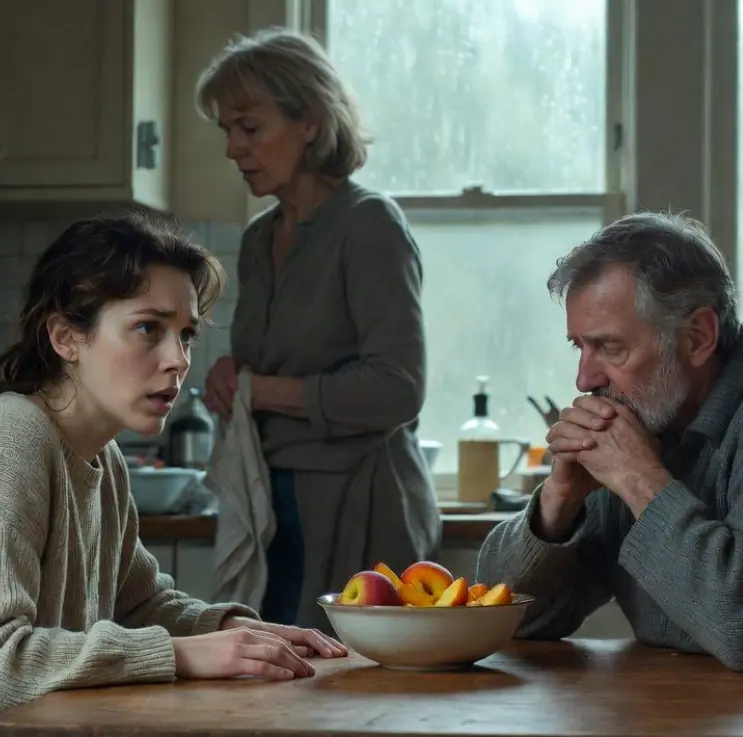
The dining room of my parents’ house had always felt like a sanctuary of transparency. We were the kind of family that prided itself on having "no secrets." We talked about everything—politics, career struggles, the messy details of our neighbors' lives. Or so I thought. It wasn't until a rainy Sunday afternoon in late April that the floor beneath my feet finally gave way, revealing that the house I lived in was built on a foundation of carefully curated silences.
It happened over a simple bowl of peaches. My younger sister, Maya, was visiting from out of state, and my mother was busy in the kitchen. We were laughing about a childhood memory when Maya made a casual, offhand remark.
"It’s just like that time Dad had to move into that apartment in the city for six months," she said, reaching for a napkin. "The way he handled the transition was actually pretty impressive, looking back."
I froze. I felt the air leave my lungs as if I’d been struck. "What apartment, Maya? Dad worked in the city, but he never lived there."
The room went deathly quiet. Maya’s hand stopped mid-air, and she looked at my mother, who had suddenly become very interested in the kitchen sink. The look that passed between them—a quick, sharp flash of alarm followed by a heavy, sinking resignation—told me everything I needed to know.
"Elena," my mother whispered, finally turning around. Her face was pale. "We thought you knew. We thought someone had told you by now."
"Told me what?" I asked, my voice sounding thin and far away.
The "truth" was a tidal wave. Ten years ago, while I was away at college, my parents had quietly separated for nearly a year. My father hadn't been "traveling for work" as I’d been told during my weekend calls. He had been living in a studio apartment forty miles away while they decided if their marriage could survive.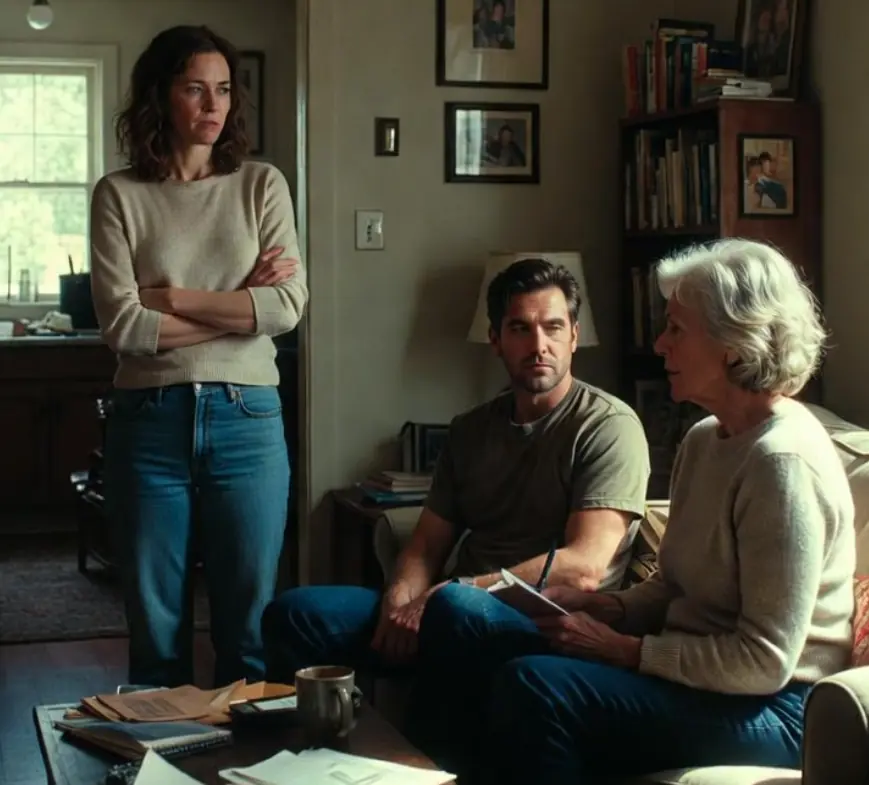
But the sting wasn't just the separation. It was the realization that everyone else—Maya, my grandparents, my aunts, even our family friends—had known. They had all been part of a collective agreement to keep the "fragile" daughter in the dark.
The feeling of exclusion was physical. It felt like a cold, heavy stone sitting in my chest. I spent the next few days in a state of quiet shock, my mind a whirlwind of memory flashbacks that suddenly took on a new, sinister light.
I remembered a Thanksgiving during my junior year when the atmosphere had felt strangely brittle. I had attributed it to the stress of the holidays, but now I saw the subtle behavioral clues I had missed: the way my father wouldn't meet my mother’s eyes, the way my aunt had hugged me a little too tightly and whispered, "You're doing so well, Elena," with a pity that I hadn't understood at the time.
I remembered calling home on a Tuesday night and hearing a strange echo on the line, my mother sounding distracted and tired. “Dad’s at a conference in Chicago,” she had said. Now I knew he was likely just a few miles away, alone in a room I didn't know existed.
The betrayal wasn't about the separation itself; parents have every right to their privacy. The betrayal was the wall of silence. It was the realization that for a decade, I had been living in a version of my family that didn't exist. I had been the only one performing a "perfect" life while everyone else was navigating the wreckage of the real one.
I felt a profound sense of mistrust. If they could hide something that big, what else were they keeping from me? Every conversation I’d had with my parents over the last ten years felt retroactively hollow. I felt like a child who had been allowed to believe in a fairy tale long after everyone else had moved on to the truth.
The drama grew not through shouting matches, but through the reevaluation of my own self-worth. I felt small. I felt like I hadn't been trusted with the weight of my own family's reality. I felt like I was the "weak link" who needed to be protected from the truth.
A week later, I sat down with both of them. We were back in that same dining room, but the "no secrets" atmosphere was gone, replaced by a raw, uncomfortable honesty.
"Why didn't you tell me?" I asked. I didn't want revenge, and I didn't want to hurt them. I just wanted to understand why I was the only one left outside the circle.
My father looked at his hands, his face etched with a deep, lingering guilt. "You were so happy at school, Elena. You were finally finding your feet. We were so afraid that if we told you we were falling apart, you’d drop everything to come home and fix us. We didn't want our mess to become your burden."
"But it became my burden anyway," I said. "Because now I have to unlearn everything I thought I knew about us. By trying to protect me, you just made me a stranger to my own history."
My mother reached across the table, her eyes filled with tears. "We were wrong. We thought we were being loving, but we were actually just being afraid. We’ve been carrying the weight of the lie for ten years, and it’s been exhausting."
In that moment, a shift happened within me. I could have stayed angry. I could have used the "truth" as a weapon to punish them for their exclusion. But as I looked at my parents—two people who had clearly struggled and found their way back to each other—I felt a surge of emotional maturity.
I realized that their decision to hide the truth wasn't an act of malice; it was a flawed act of love. They had been trying to be "perfect" parents for a daughter they didn't want to hurt, not realizing that the most important thing a parent can be is honest.
"I’m not a child anymore," I said, and for the first time in my life, I truly felt it. "I don't need to be protected from the truth. I need to be part of the family. And being part of a family means holding the heavy stuff together."
The reconciliation didn't happen overnight. Trust is a slow-growing thing, especially when it’s been eroded by a decade of silence. But the air in our house changed. We stopped talking about the "safe" things and started talking about the real ones. We talked about that year apart—what they learned, how they changed, and why they chose to stay.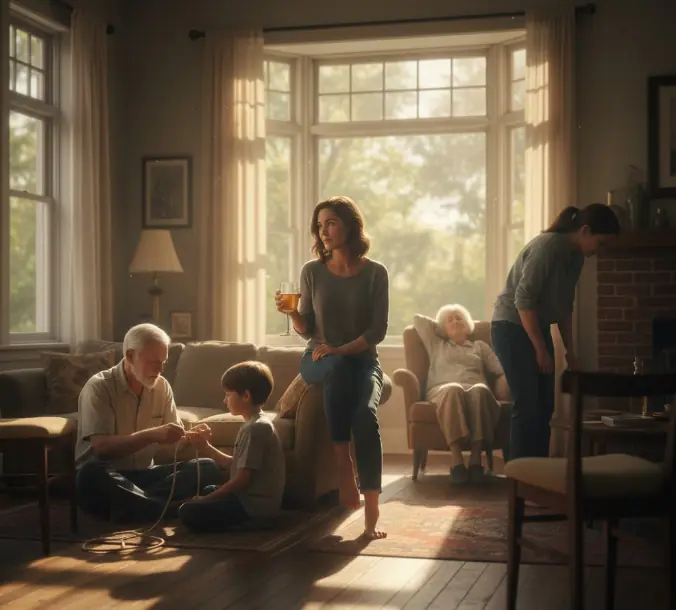
I started to see my parents not as the pillars of a perfect institution, but as two human beings who had fought for their relationship. In a strange way, knowing the truth made me respect them more. Their marriage wasn't a fairy tale; it was a choice.
I’ve stopped looking for the "hidden clues" in our past. I’ve realized that I can't change the ten years I spent in the dark, but I can choose how I live in the light now. I am no longer the "protected" daughter. I am a woman who knows the full story, and that knowledge has given me a strength I didn't know I was missing.
Our family is different now. We are a little more guarded, perhaps, but we are infinitely more honest. The peaches on the table are just peaches, and the conversations in the dining room are no longer scripts. We are learning to be real with each other, one difficult truth at a time. And as I look at my mother and father now, I don't see the secrets. I just see us—messy, imperfect, and finally, for the first time, all in the same room.
I realized our family traditions were hiding something unspoken
When my parents asked us to move in, i didn’t expect it to test my marriage
My husband’s success changed the way his family treated me
I thought therapy would fix our family, but it revealed more than i was ready for
My brother and i stopped speaking over something that was never really about money
We agreed to an open secret in our family and it slowly tore us apart
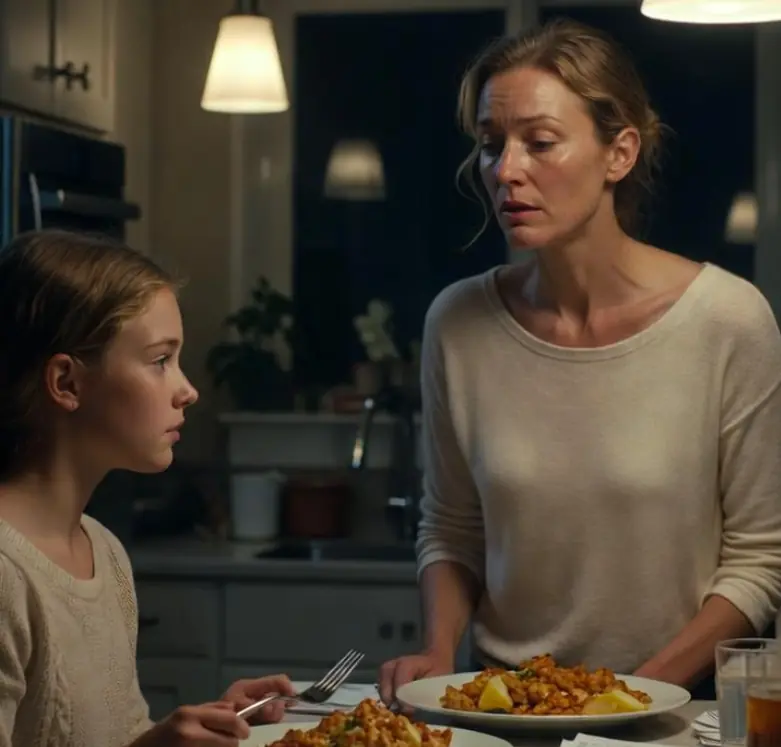
My stepdaughter said something that changed how i saw my marriage

The inheritance came with conditions none of us expected
Marrying Kavita: The Choice Everyone Fought—And the Truth I Didn’t Expect
A Father’s Instinctive Dash to Protect His Daughter



“What do you mean ‘separate property’? The house will be joint!” my mother-in-law screeched while I was signing the papers at the notary’s
He registered the apartment in his mother’s name — and had no idea what would happen seven days later

When my mother-in-law asked whose name the apartment was in, I smiled—and said nothing. That decision ended up saving my life
“Yes, I’m throwing you out—on New Year’s Eve! Do you really think I’m supposed to put up with insults in my own home?” Alice pointed her mother-in-law toward the door
“No, I’m not giving your mother any more money! Enough! Let her deal with her debts herself—I’m done!”
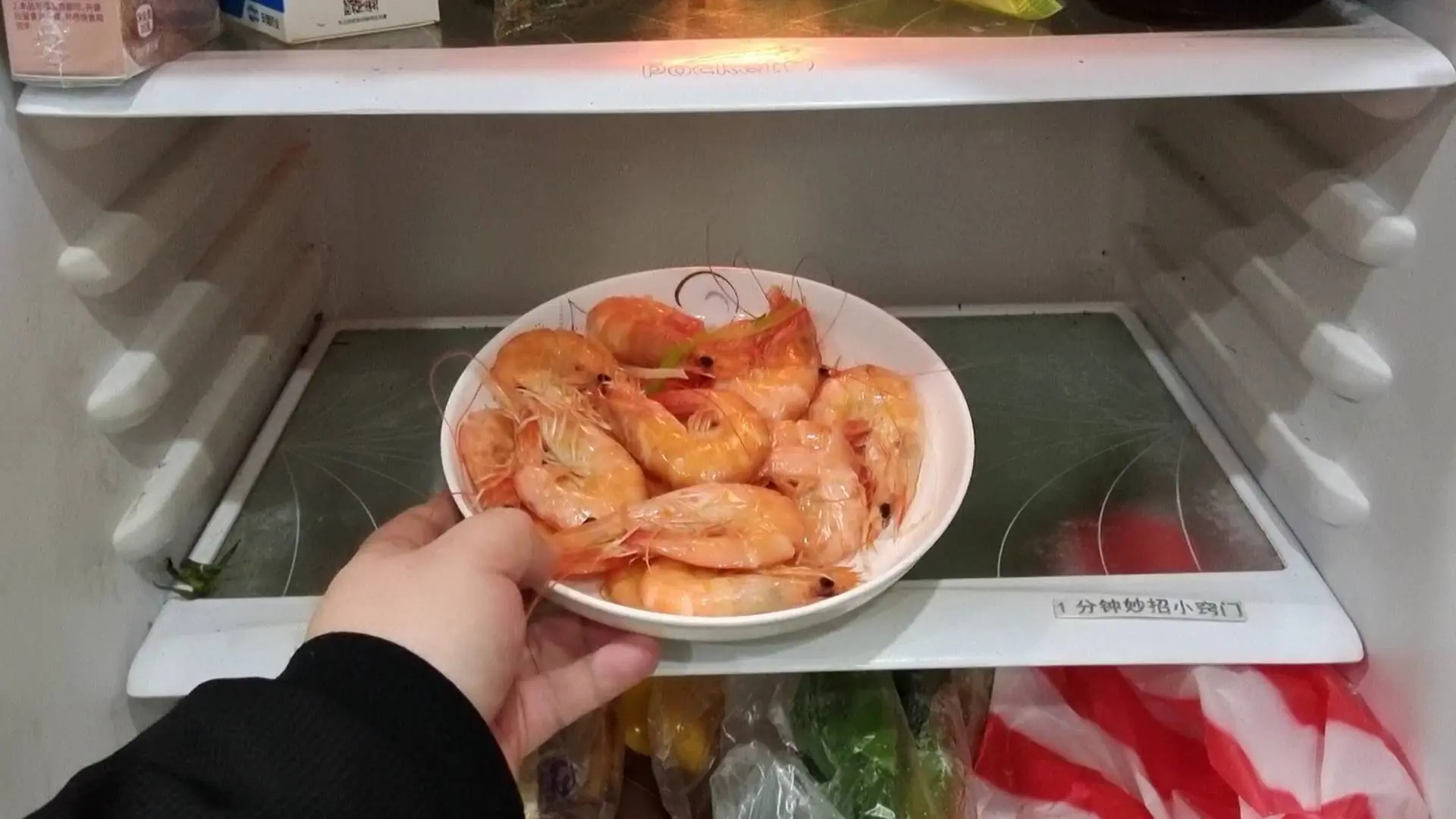
5 Foods You Should Never Store Overnight

Craving Jackfruit? These 5 People Should Think Twice Before Taking a Bite

Doctors Reveal the Surprising Truth About Eating Eggs

Effective Ways to Treat the Bacterial Cause of Bloating and Heartburn
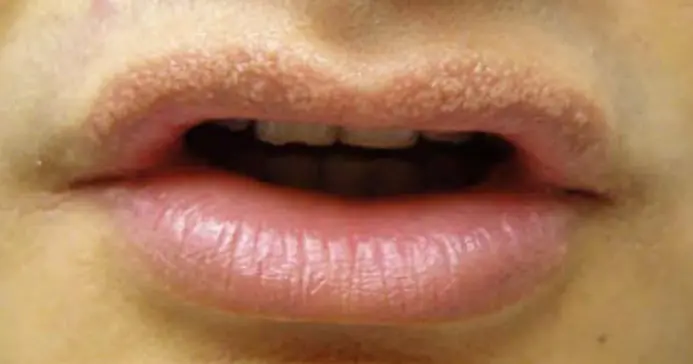
These White Bumps on Your Lips or Private Areas Could Be a Sign of Something Serious

How Does Drinking Coconut Water Affect Your Kidneys?
I realized our family traditions were hiding something unspoken

8 Warning Signs of Digestive Problems You Should Never Ignore
When my parents asked us to move in, i didn’t expect it to test my marriage
My husband’s success changed the way his family treated me
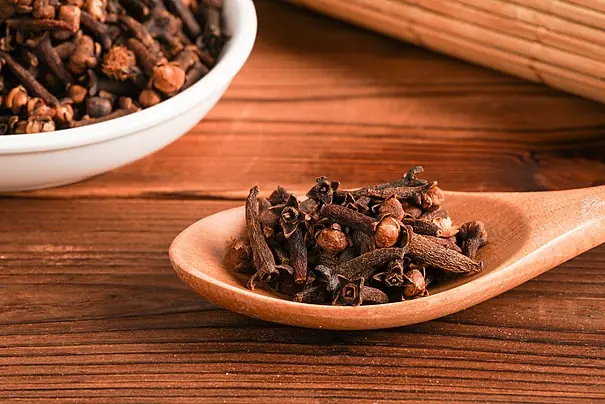
7 Surprisingly Handy Ways to Use Cloves
I thought therapy would fix our family, but it revealed more than i was ready for
My brother and i stopped speaking over something that was never really about money
We agreed to an open secret in our family and it slowly tore us apart
My stepdaughter said something that changed how i saw my marriage
The inheritance came with conditions none of us expected

What condition causes frequent leg numbness, and what might be the reason behind it?

What You Should Know If You Enjoy Daytime Naps
Marrying Kavita: The Choice Everyone Fought—And the Truth I Didn’t Expect