My phone rang with the kind of sound that makes your stomach drop. When I answered, I heard my daughter’s voice—small, strained, and terrified.
“Dad… please help.”
Then the line went silent.
I didn’t sit there wondering. I didn’t call back ten times and hope for the best. I grabbed my keys and drove straight toward the only place she could be: her in-laws’ estate, the one with gates, stone walls, and a lawn so perfect it looked fake.
As my old pickup tore up the long driveway, my mind ran ahead of the wheels. Emily wasn’t someone who asked for help lightly. If she whispered those words, something was very wrong.
When a child calls for help, you don’t weigh options—you move.
At the front of the house, Curtis—my son-in-law—was already waiting, like he’d been expecting me. He stood on the porch with a baseball bat held loosely in both hands, wearing a smug expression that tried to pass for confidence.
“This is a private family issue,” he said, stepping forward as if the property lines were a shield. “Your daughter needed discipline.”
Discipline. That word, used like a weapon. Like an excuse.
I got out of the truck and shut the door calmly, though everything inside me was roaring. “Discipline?” I repeated, letting the word hang there.
Curtis tightened his grip and swung the bat, but the motion was clumsy—more intimidation than skill. I shifted out of the way, closed the distance, and dropped him with a single, clean strike. He hit the ground hard and stayed there, stunned and gasping for air.
I didn’t gloat. I didn’t argue. I walked past him as if he were no more than a broken fence post.
- I didn’t come to negotiate.
- I didn’t come to be threatened.
- I came for my daughter.
Inside the mansion, the air felt cold and controlled, like emotion had been banned from the rooms. But then I heard it—an ugly, unmistakable sound from upstairs. Not a scream exactly, more like someone fighting to keep from falling apart. And beneath it, the harsh snip-snip of scissors.
I took the stairs two at a time, following the noise down the hall, each step tightening the knot in my chest.
The bedroom door was closed. I didn’t knock.
I forced it open and found the scene that will stay with me for the rest of my life.
Doris—Curtis’s mother—had my daughter pinned down. Emily struggled weakly, her face wet with tears, her breathing frantic. Doris held heavy shears and was cutting away long strands of Emily’s hair as if it were some kind of punishment she’d decided was hers to deliver.
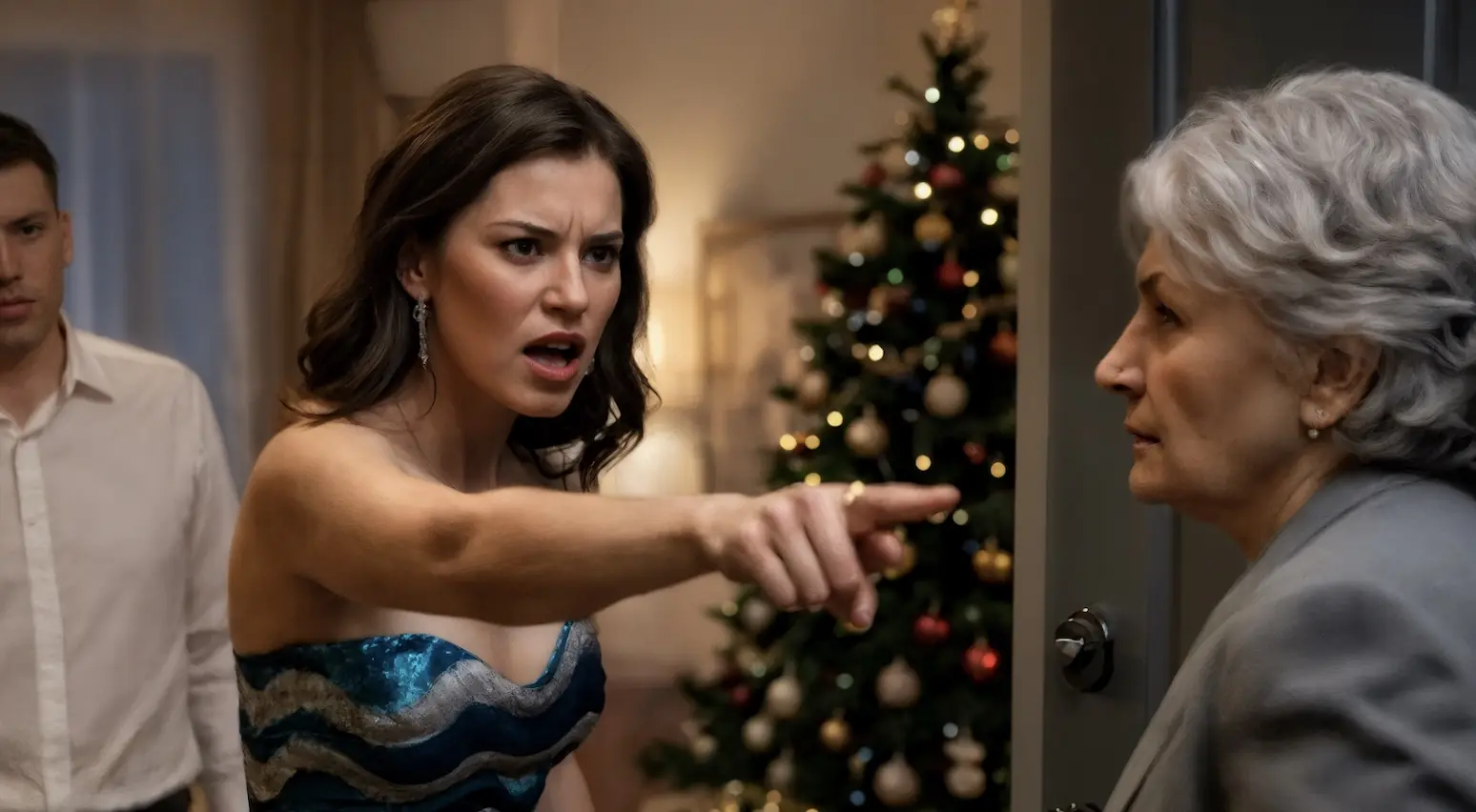
“This is the cost of disobedience,” Doris said, her voice flat and chilling, like she was discussing household rules.
Cruelty often dresses itself up as “teaching a lesson.”
“Get away from her,” I said, low and steady.
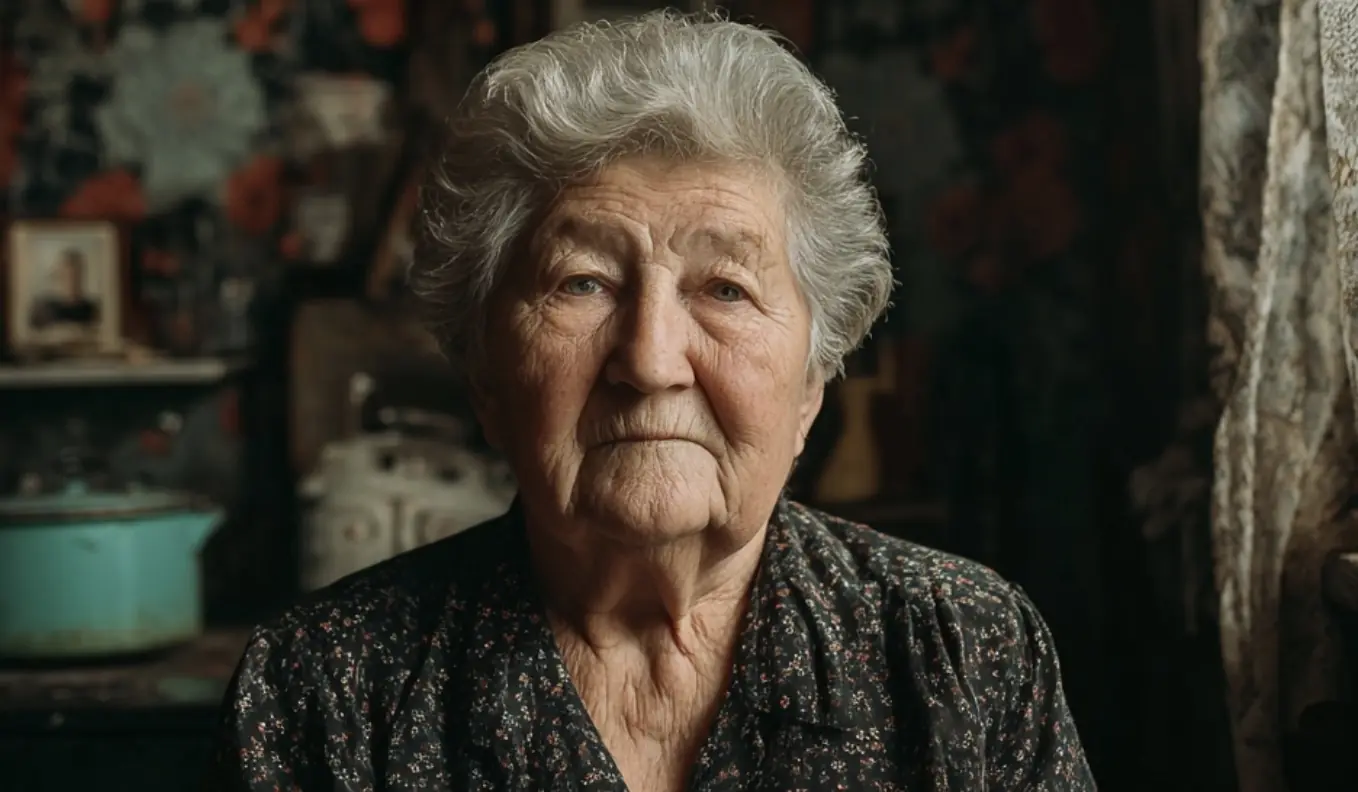
Doris looked up, and for a second I saw the familiar contempt she’d always carried for me—Emily’s “poor” father, the man she dismissed as nothing more than an old worker with dirt under his nails.
But then our eyes met, and something changed. Her confidence hesitated, like a door she thought was locked had just swung open.
She lifted the scissors as if they were authority itself. “You can’t touch me,” she snapped. “We’ll sue you. You’re broke. You don’t understand who you’re dealing with.”
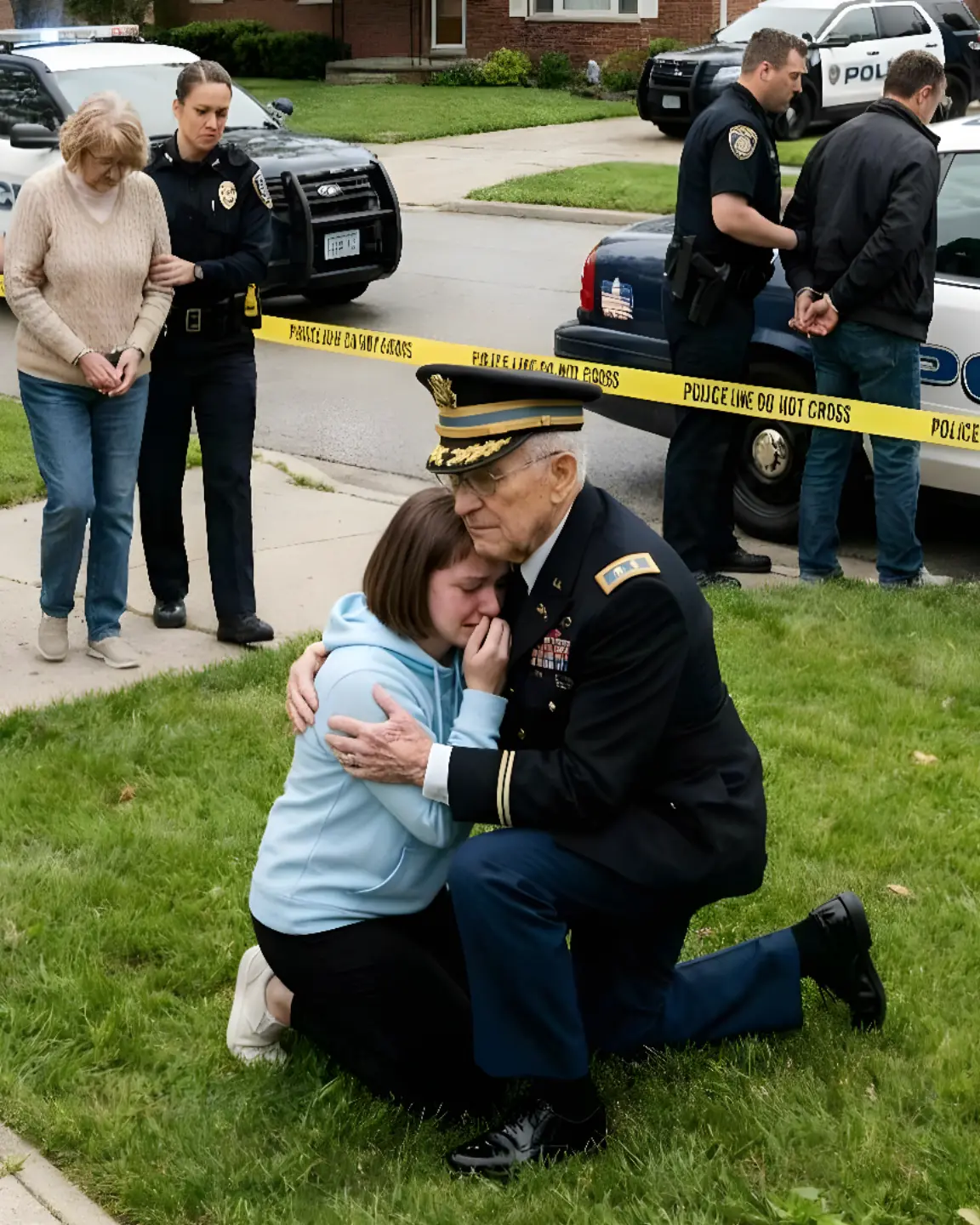
I ignored the threat and went straight to Emily. I pulled her free and lifted her into my arms. She felt far too light, and her skin was burning. Fever. Weakness. Fear on top of it all.
Emily’s head fell against my shoulder, and I steadied her, whispering that she was safe now—even if I wasn’t sure she believed it yet.
- Her breathing was shallow and fast.
- Her hands trembled as she held onto my shirt.
- Her eyes searched my face like she was checking if I was real.
I turned back to Doris, careful not to jostle Emily. “No, Doris,” I said. “You don’t understand who you’re dealing with.”
I didn’t raise my voice. I didn’t have to. I’d learned long ago that the quietest tone can carry the most weight.
“I’ve been places where threats are real,” I continued. “And I didn’t come here to be intimidated in my own child’s worst moment.”
They had assumed I would be easy to dismiss. That I’d see the size of the house, the polish of their name, the sharpness of their words—and back away.
But standing there with my sick, terrified daughter in my arms, I knew one thing with absolute clarity:
I was done being underestimated.
Money can buy a mansion, but it can’t buy the right to harm someone and call it “family.”
With one hand still holding Emily, I reached into my pocket and pulled out my old flip phone. I scrolled to a number I hadn’t used in a long time—the kind you don’t call unless the situation has crossed a line that can’t be uncrossed.
When the voice on the other end answered, I didn’t waste words.
“Colonel,” I said. “Code Black. I have my daughter’s location.”
Then I looked around that immaculate room—at the expensive furniture, the cold faces, the self-made rules that had turned into cruelty—and I made myself a promise.
Emily would leave this house alive, safe, and protected. And the people who thought they could hide behind wealth and “discipline” would finally learn that actions have consequences.
In the end, this wasn’t about pride, or revenge, or proving anything. It was about one simple truth: a parent’s job is to protect their child—especially when no one else will.
Conclusion: Emily’s call was a warning and a plea, and I answered it the only way a father could—by showing up, taking her out of harm’s reach, and refusing to be silenced by threats or appearances. Some families protect each other; others try to control. That day, I chose protection, and I would choose it again.