
Everyone expected us to help, but no one asked if we could handle it
Everyone expected us to help, but no one asked if we could handle it
Story 10/02/2026 10:27

The front door of our apartment in Chicago always seemed to represent a border crossing. On one side was the life I had built with Chloe—a world of shared ambitions, weekend farmers' markets, and the quiet, comfortable language of a five-year marriage. On the other side was the world I had been born into—a world of deep-seated traditions, unwavering family loyalty, and the constant, rhythmic expectations of my parents, who lived just three miles away. For years, I had tried to live in both worlds at once, believing that if I was just fast enough, kind enough, or quiet enough, I could keep everyone happy.
I was the only son of parents who had sacrificed everything to give me a head start. To them, love was synonymous with presence. "Family first" wasn't a motto; it was the atmosphere. My mother, Maria, viewed any Sunday I didn't spend at her table as a personal rejection. My father, Joseph, expressed his love through "projects"—insisting I help him with home repairs he was perfectly capable of doing himself, simply to ensure I remained within his orbit.
Chloe, however, came from a different school of thought. She valued the "us" we had created. She believed that while parents were to be respected, our marriage was the primary foundation. She wanted weekends for ourselves, holidays that didn't involve a thirty-person logistical nightmare, and a husband who didn't check his phone every time his mother called to complain about a leaky faucet.
"I love your parents, Liam," Chloe told me one rainy Tuesday, her voice calm but firm. "But I feel like I’m constantly competing with them for your attention. It’s like there are four people in this marriage, and I’m the only one who didn’t sign up for it."
I did what I had always done: I stayed neutral. I became a master of avoidance. When my mother called to ask if we were coming over for a "small" dinner that turned out to be an all-day event, I would tell her I’d "check with Chloe." When Chloe asked why I hadn't set a boundary about the unannounced visits, I would tell her that they "meant well" and that it "wasn't worth the fight."
The emotional cost of this neutrality was staggering. I was living in a state of perpetual hyper-vigilance, constantly scanning for signs of hurt feelings on either side. I felt a crushing sense of guilt toward my parents, fearing I was being a "bad son" who was forgetting his roots. Simultaneously, I felt a simmering shame toward Chloe, knowing that my indecision was making her feel secondary in her own home.
The drama of my life wasn't found in explosive arguments; it was found in the quiet pressure of the "middle." It was the way I would wince when my phone buzzed during a date night with Chloe. It was the way I would lie to my parents about why we couldn't come over, making up work deadlines that didn't exist because I was too afraid to simply say, "We need some time alone."
By trying to be everything to everyone, I was becoming nothing to anyone. I was a ghost in my own life, a mediator who had lost his own voice in the static of other people's needs.
The breaking point arrived during the preparations for my parents' fortieth wedding anniversary. My mother had decided it would be a week-long celebration, culminating in a formal gala. She expected me to be there for every planning meeting, every dinner, and every setup. At the same time, Chloe had been promoted to a senior role at her firm, and she had a major presentation that fell on the same Friday as the "pre-anniversary" dinner.
"I need you there, Liam," Chloe said. "It’s a big night for me. I’m nervous, and I just want to know you’re in my corner."
Ten minutes later, my mother called. "Liam, the caterer is coming over Friday night. I need you to help your father with the seating chart. You know how he gets frustrated with these things. It’s our fortieth, honey. It’s a milestone."
I felt the familiar, cold knot of anxiety tightening in my stomach. I looked at the phone, then at Chloe, who was watching me from the kitchen island. I could see the fatigue in her eyes—the look of a woman who was tired of waiting for her husband to choose her.
"I'll see what I can do," I told my mother, my voice sounding hollow and practiced.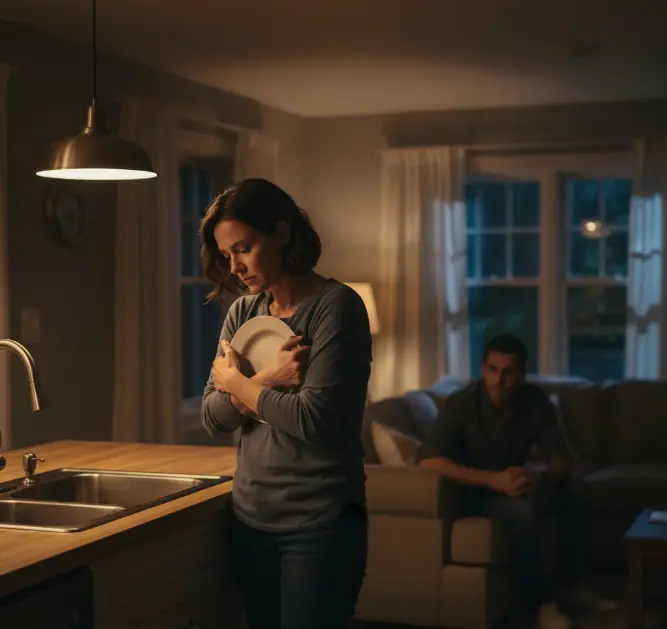
Chloe didn't say anything. She just picked up her laptop and walked into the bedroom, the sound of the door closing feeling like a finality I couldn't ignore.
That night, I didn't sleep. I realized that my "neutrality" wasn't an act of peace; it was an act of cowardice. By refusing to choose, I was actually choosing to hurt Chloe every single time. I was choosing the comfort of my parents' approval over the health of my marriage. I was staying a child so I wouldn't have to face the difficult task of being a man.
I saw the "loyalty" I prided myself on for what it really was: a fear of disappointment. I was so afraid of seeing a frown on my mother’s face that I was willing to watch the light go out in my wife’s eyes.
The next morning, the house was quiet. I sat at the kitchen table and waited for Chloe to come out. When she did, she was already dressed for work, her face a mask of professional composure.
"Chloe," I said, standing up. "About Friday night."
She paused, her hand on her bag. "It’s okay, Liam. I’ll go by myself. I don't want to be the reason you feel guilty."
"No," I said, and the word felt heavy and real. "I’m coming to your presentation. And I’m going to be there for the dinner afterward. Just us."
She looked at me, a flicker of surprise breaking through her guard. "But your parents—the anniversary—"
"I’ll call them," I said. "I love them, and I’ll be there for the gala on Saturday. But Friday is for you. Friday is for us. I’ve spent too long trying to keep everyone happy, and all I’ve done is make the person I love most feel like an afterthought. I’m done staying neutral."
The phone call to my mother was one of the hardest things I’ve ever done. I heard the disappointment in her voice, the sharp intake of breath, the "But Liam, your father was counting on you." In the past, that would have been enough to make me fold. But this time, I stayed in the discomfort.
"I know, Mom," I said. "And I’m sorry. I’ll help him on Saturday morning instead. But Friday is Chloe’s night, and I need to be with my wife. I hope you understand."
She didn't understand—not right away. There were cold silences for a few days, and a few pointed comments from my father about "priorities." The drama didn't vanish; it just moved from my internal world to the external one. But for the first time in years, the air inside my apartment felt clear.
Choosing Chloe didn't mean I loved my parents less; it meant I respected my marriage more. It was a difficult, honest choice that required me to accept that I couldn't control other people's happiness. I had to let my parents be disappointed so that my wife could be seen.
The Friday night presentation was a triumph. As I sat in the back of the room, watching Chloe speak with confidence and brilliance, I felt a surge of pride that had nothing to do with family legacy and everything to do with the woman she was. When we went out to dinner afterward, the conversation was easy and the laughter was real. There were no ghosts at the table.
I am still learning how to navigate the boundaries. My parents still push, and I still feel that old pull of guilt occasionally. But the "border crossing" at our front door is no longer a site of anxiety. I’ve realized that you can't build a life on the middle ground. You have to plant your feet somewhere. I chose to plant mine beside Chloe, and in doing so, I finally found the strength to be the son, the husband, and the man I was always meant to be. I loved everyone, but I finally realized that my first commitment was to the life I chose, not the one I was born into.
Everyone expected us to help, but no one asked if we could handle it

Money was never our problem until it became everything

I realized i was expected to give more than anyone ever asked out loud
We took turns being strong while trying to save our child together

I paid off my husband’s debt and lost more than just money
My father-in-law never trusted me until our family faced a crisis together
My mother-in-law helped us financially and slowly took control of our marriage
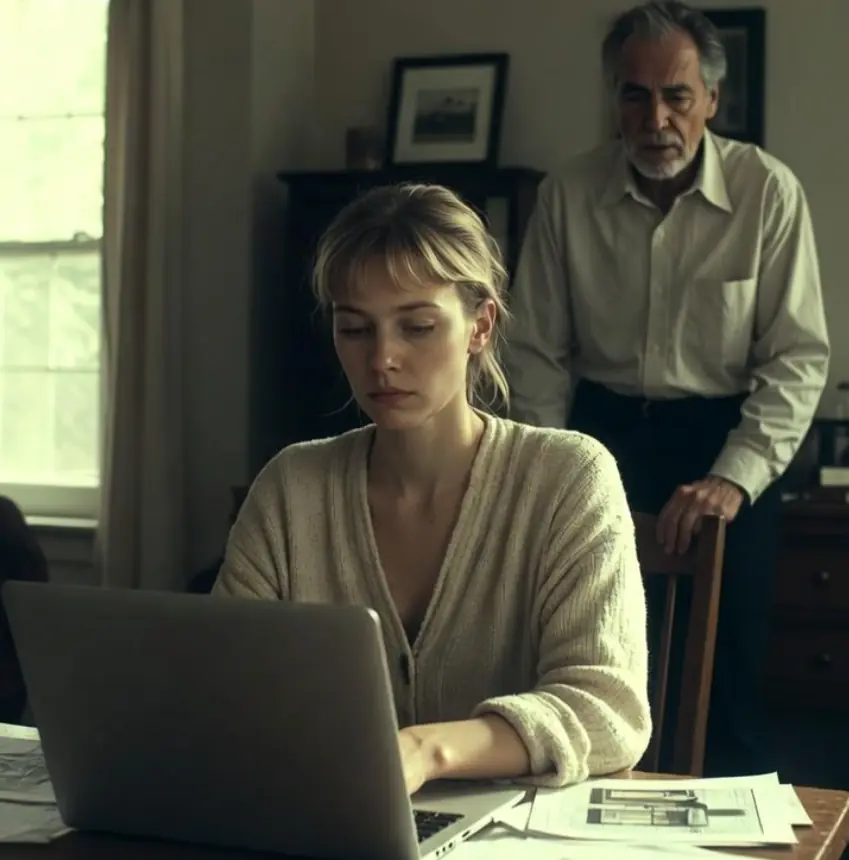
I never felt judged by words, only by the silence of my father-in-law
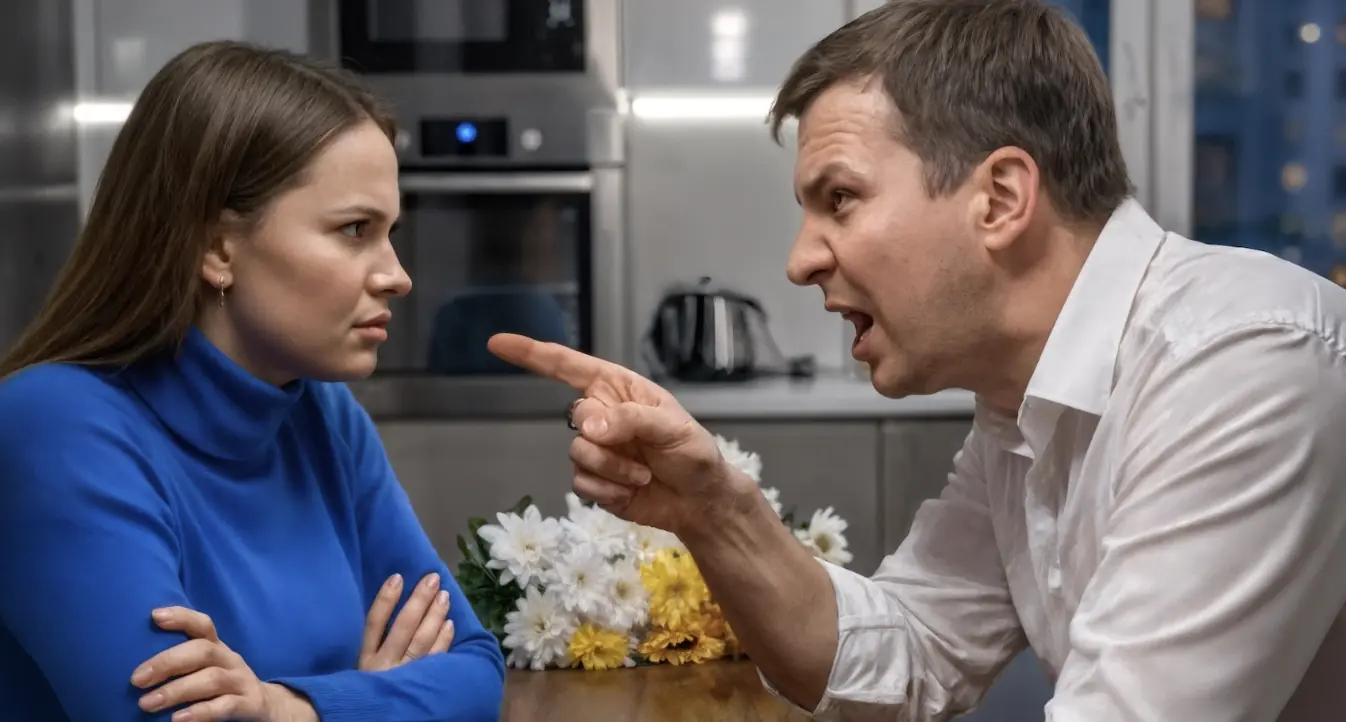
“Who Cares Whose Apartment It Is? I’m the Man — That Means I Run Everything,” the Unemployed Husband Declared
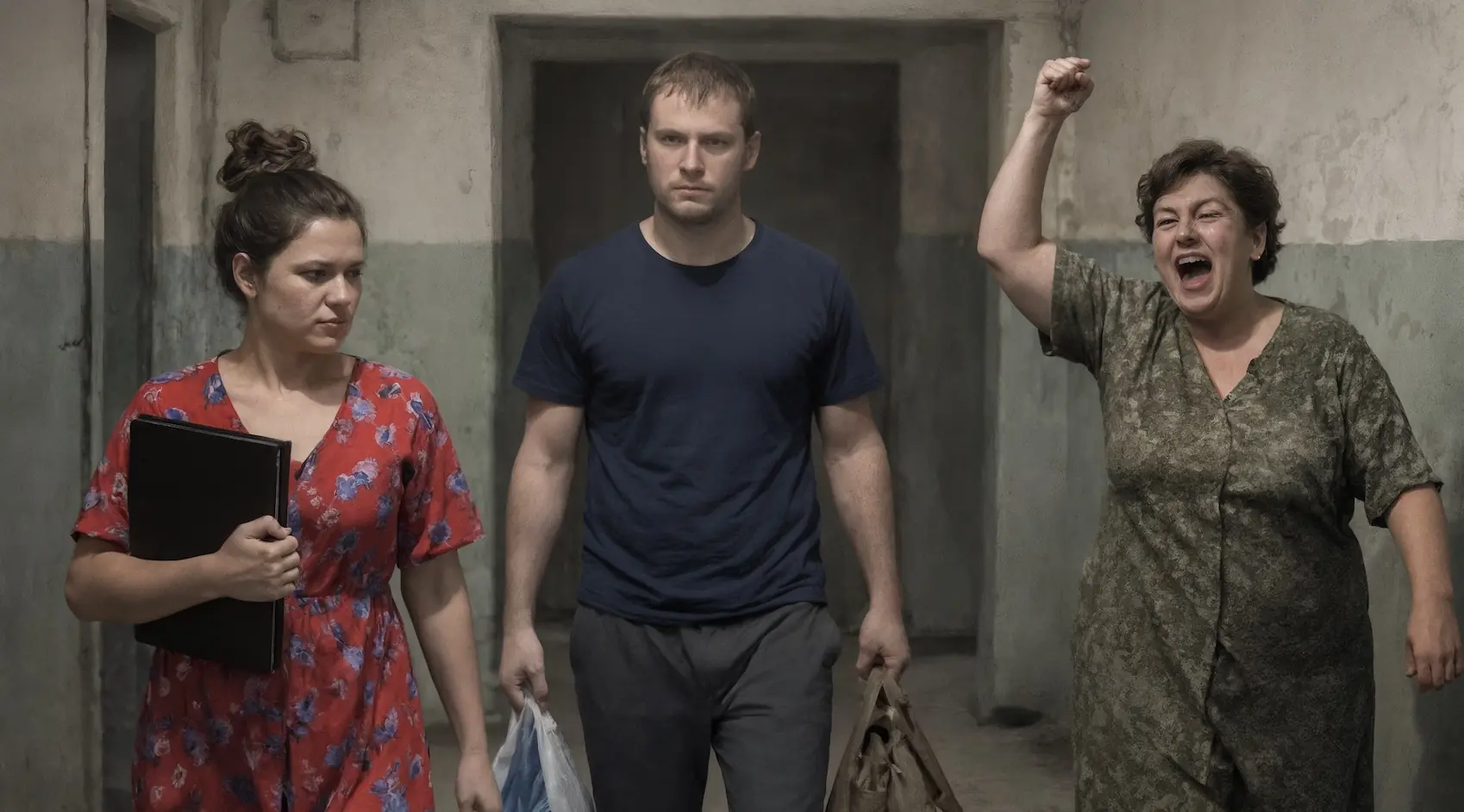
“Now that’s a real man — he squeezed the chicken dry!” the mother-in-law was already celebrating her victory

“I’m the one buying the groceries, and this house is“I’m the one buying the groceries, and this house is mine—so pack up and get out.” I cut off my mother-in-law’s little performance mine—so pack up and get out.” I cut off my mother-in-l

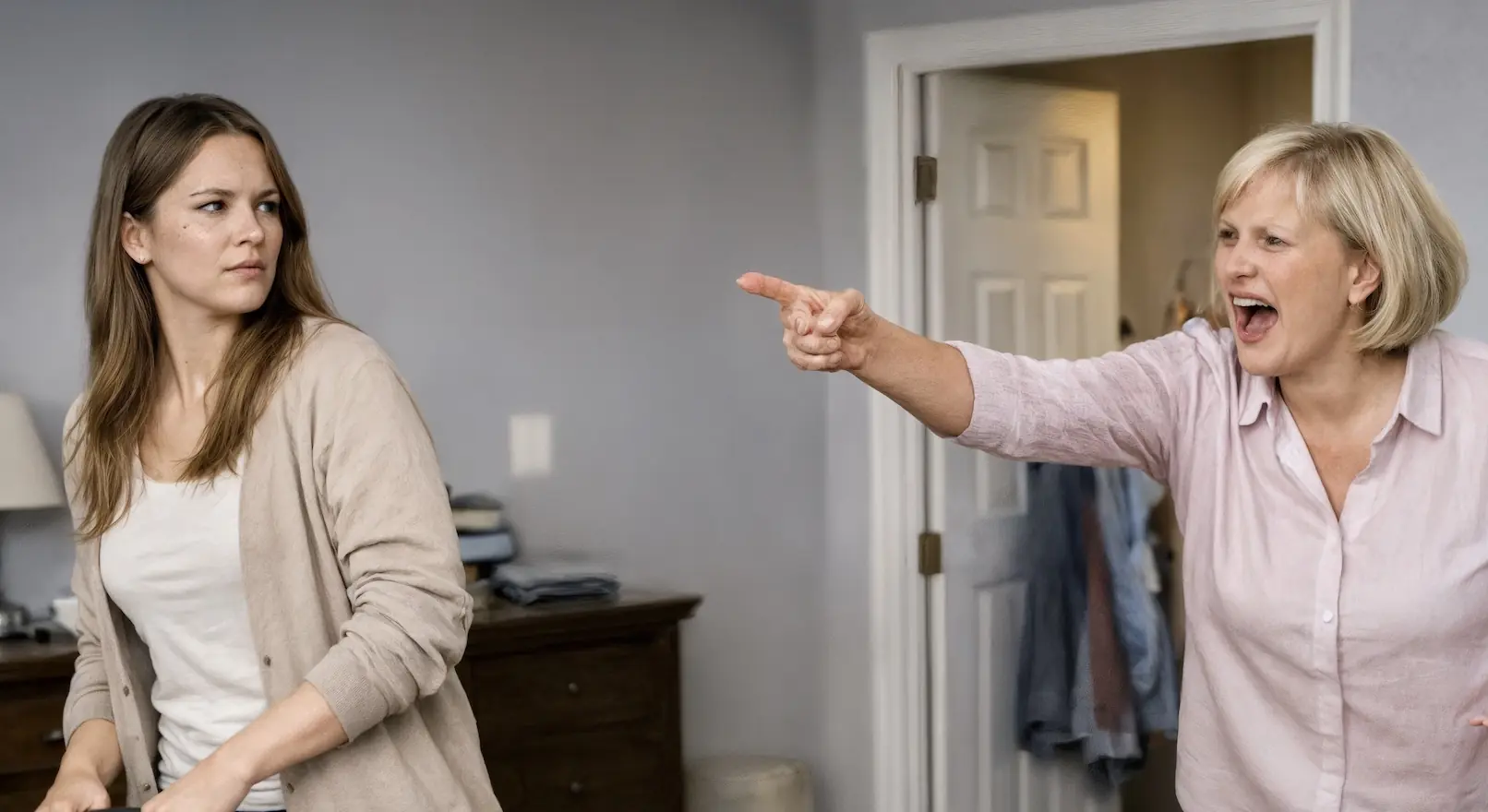
“Stop spending money on yourself—our son needs to save up for a car!” my mother-in-law snapped, eyeing my manicure


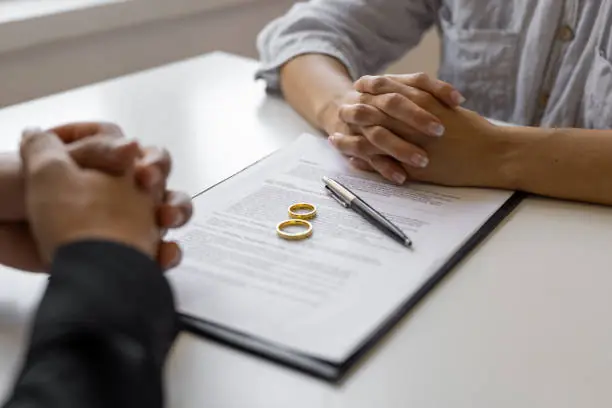

My Future Mother-in-Law Came to “Get Acquainted” — and Immediately Tried to Use Me, Demanding a “Small Favor”

“I blocked your card. I’m the man of this house, so I decide what we buy.” — But I taught my arrogant husband a lesson
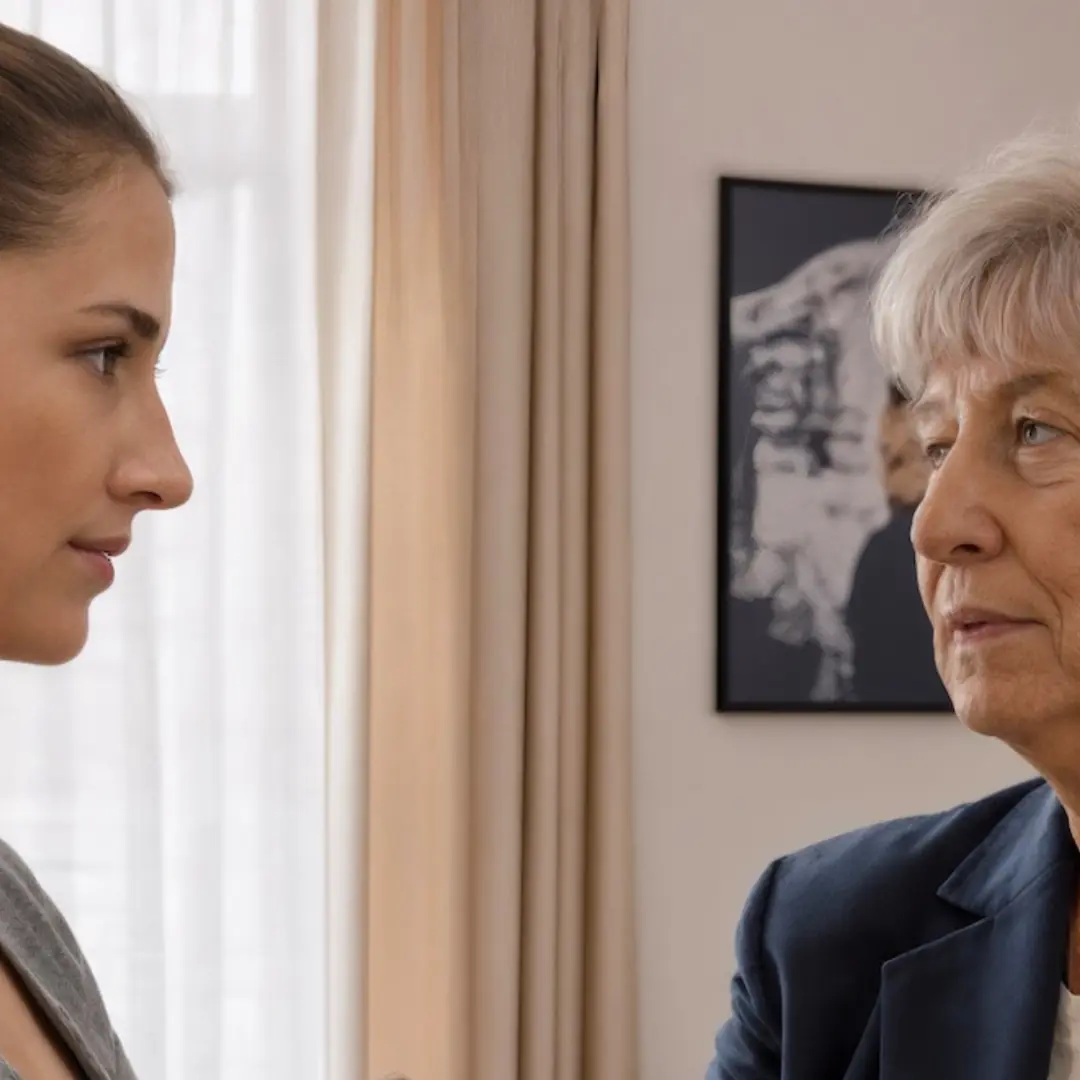
“I’m not going to nurse a person I’ve seen twice in my life,” the daughter-in-law refused to comply with her mother-in-law’s bizarre demand
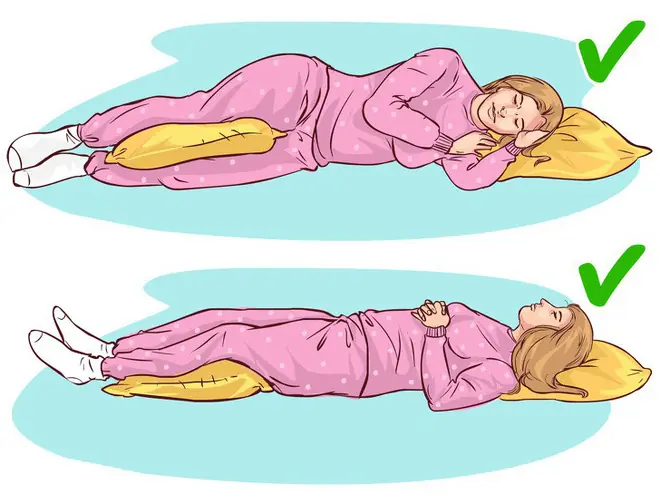
How Sleeping on Your Left Side Affects Your Brain, Stomach, and Glymphatic Health

11 Surprising Facts About Hard-Boiled Eggs


A 52-Year-Old Woman Di.ed from a Stro.ke: Middle-Aged People, Stop Doing These 7 Things—Even in the Cold Winter—Before It’s Too Late!

Magnesium is an essential mineral in the human body, playing a critical role in over 300 enzymatic processes.

Magnesium is an essential mineral in the human body, playing a critical role in over 300 enzymatic processes.
Everyone expected us to help, but no one asked if we could handle it

At just 20 years old, Linh Nguyen (name changed), a young and passionate teacher at a local elementary school, passed away from liver cancer — a disease typically associated with older individuals or those with long-term health issues.
Money was never our problem until it became everything

6 More Foods You Should Avoid Pairing With Coffee

Known as the World’s Dead.liest Food, It Kil.ls Hundreds Each Year — Would You Still Eat It?
I realized i was expected to give more than anyone ever asked out loud
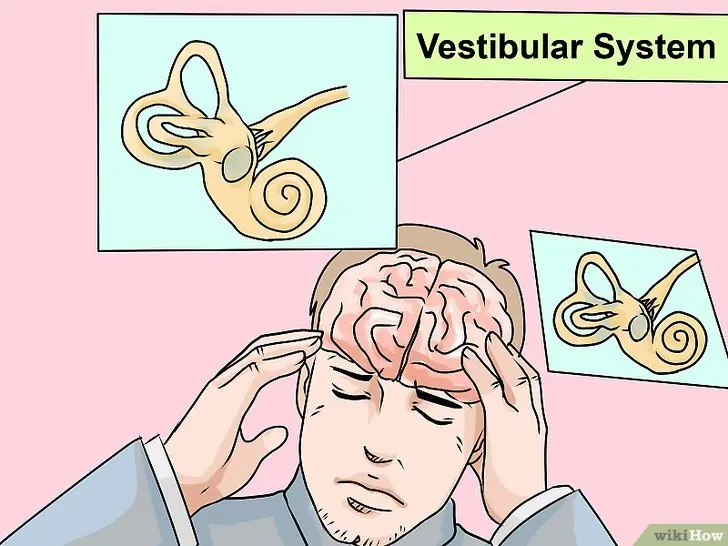
Ringing in Your Ears? Your Body Might Be Trying to Tell You Something

This Simple Lemon and Charcoal Trick Could Save You a Lot of Money
We took turns being strong while trying to save our child together
I paid off my husband’s debt and lost more than just money
My father-in-law never trusted me until our family faced a crisis together

8 Ways Ginger Tea Can Support Your Body Before Sleep
My mother-in-law helped us financially and slowly took control of our marriage