
Everyone expected us to help, but no one asked if we could handle it
Everyone expected us to help, but no one asked if we could handle it
Story 10/02/2026 10:27

The silence in our bedroom had become a living thing, heavy and cold, like a wet wool blanket that never quite dried. It had been six months since I sat at the kitchen table and transferred forty-five thousand dollars—the entirety of my inheritance from my grandmother—into a series of high-interest accounts that didn't belong to me. I remember the clicking of the keys felt like the steady ticking of a clock, counting down the end of a version of my life I would never get back.
My husband, Elias, had always been the dreamer. He was the one who saw the world in shades of "what if" and "soon." I loved that about him when we were twenty-five. But at thirty-four, his latest "what if"—a series of failed investments he had hidden behind a wall of creative accounting—had brought us to the edge of a cliff.
When the truth finally broke, it didn't come with a shout. It came with a pile of unopened mail I found tucked into the back of a closet. Elias didn't make excuses. He just stood in the doorway, his shoulders slumped, looking like a man who had been holding his breath for a year and had finally run out of air.
"I thought I could fix it before you found out," he whispered.
I didn't scream. I didn't even cry. I just felt a profound, chilling clarity. I had the money. My grandmother had left it to me with the instruction to "buy something that makes your heart sing." Instead, I used it to buy us a second chance. Or at least, that’s what I told myself at the time.
The immediate aftermath was filled with a strange, artificial peace. The debt collectors stopped calling. The letters stopped coming. Elias was a model of gratitude, helping more around the house and looking at me with a puppy-like devotion that made my skin crawl. He thought we had solved the problem. He didn't realize that while the debt was gone, the trust had been liquidated along with the bank account.
The resentment started as a small, sharp stone in my shoe. It was there when we went out to dinner and I looked at the menu, calculating how many "history lessons" this meal cost. It was there when he bought a new pair of shoes, even though he needed them. Every time he spent a dollar, I felt a phantom pain in my chest.
I began to realize that by taking responsibility for his mistake, I had inadvertently shifted the power balance of our marriage in a way that felt permanent and ugly. I wasn't his partner anymore; I was his creditor. I was the silent auditor of his life, and he was the bankrupt man trying to earn back his credit.
The drama was entirely internal. On the surface, we were the same couple our friends envied—supportive, stable, and kind. But inside the house, I was withdrawing into a fortress of my own making. I stopped sharing my small triumphs at work because I felt like any joy I had was being used to offset the "loss" we had suffered. I stopped asking him about his day because I didn't want to hear about his plans or his hopes. His dreams now felt like threats.
The silence grew between us during the mundane moments. We would sit on the sofa watching a movie, and I would be intensely aware of the space between our bodies. I didn't want him to touch me. Not because I hated him, but because every touch felt like a request for forgiveness I wasn't ready to give.
"You're so far away, Maya," he said one evening, his voice barely audible over the hum of the dishwasher. "I know I messed up. I’m doing everything I can to make it right."
"I know you are," I replied, not looking up from my book.
But "making it right" wasn't about the money. He could pay back every cent, and the ledger would still be unbalanced. The loss I was mourning wasn't the forty-five thousand dollars; it was the belief that we were two equal pillars holding up the same roof. Now, I felt like the foundation, and he was just a guest living in a house I was struggling to keep upright.
I watched him try to bridge the gap. He took on extra shifts. He stayed organized. He was more present than he had been in years. But the more he tried to be "perfect," the more I resented him for the labor it took me to pretend I wasn't keeping score. I was exhausted by the weight of my own silence. I realized that by not talking about the anger, I was letting it rot into something much worse: indifference.
The turning point came on a Tuesday in March. I was at the grocery store, standing in front of a display of expensive, out-of-season peonies—my grandmother’s favorite flower. I reached out to buy them, and then I stopped. My first thought wasn't I want these; it was We can't afford these because of what he did. In that moment, the reflection in the glass of the refrigerator case was a stranger. I saw a woman who was bitter, small-minded, and perpetually trapped in a past she had already paid to escape. I realized that the debt wasn't the forty-five thousand dollars. The debt was the version of myself I was losing—the woman who was generous, hopeful, and capable of seeing the man she loved without a dollar sign attached to his head.
I went home and sat on the porch, watching the sun dip below the horizon. When Elias came out to join me, I didn't move away.
"I’ve been holding the money over your head," I said, the words feeling like shards of ice melting in my mouth.
He looked at me, startled. "Maya, you saved us. I’ll never forget that."
"But I’ve made you pay for it every day since," I said. "And in the process, I’ve been paying for it too. I thought I was protecting us by taking the hit, but I was actually just building a wall. I lost the feeling of being your partner, Elias. I turned myself into a judge, and I turned you into a defendant. And I’m so tired of that role."
The emotional clarity was piercing. I realized that forgiveness isn't a single act—it’s a daily practice of choosing to see the person instead of the mistake. I had paid off the debt, but I hadn't let go of the receipt. I was still carrying it around like a weapon, waiting for the right moment to use it.
I looked at him—really looked at him—for the first time in months. I saw his regret, his effort, and his genuine love. He wasn't the mistake he had made. He was the man who had stayed to face it, and the man who was trying, however imperfectly, to rebuild.
"We can't get the money back," I whispered. "And I can't go back to who I was before I found those letters. But I don't want to live in this silence anymore. I want to be on the same side again."
There was no sudden resolution. We didn't fall into each other’s arms and forget the past. But the air in the house changed. The silence was no longer heavy; it was just quiet. We started talking about the small things again. We started making a budget that wasn't a punishment, but a plan.
I realized that the true cost of "saving" someone is often your own sense of security. But the cost of staying angry is your own capacity for joy. I lost more than money when I signed that check—I lost a certain kind of innocence about our marriage. But in its place, I am finding a different kind of strength. A strength that isn't about being "right" or "reliable," but about being honest.
We are still recovering. The bank account is growing slowly, but the trust is growing slower still. And that’s okay. I’ve stopped looking at the menu and seeing history lessons. Today, I went back and bought those peonies. I put them in the center of the table—not as a reminder of what was lost, but as a reminder that some things are worth the price, even when that price is more than you ever intended to pay.
I am no longer the creditor, and he is no longer the debtor. We are just two people, sitting at a mahogany table, learning how to be a family again in the light of the truth.
Everyone expected us to help, but no one asked if we could handle it

Money was never our problem until it became everything

I loved my wife and my parents, but i couldn’t keep everyone happy

I realized i was expected to give more than anyone ever asked out loud

We took turns being strong while trying to save our child together
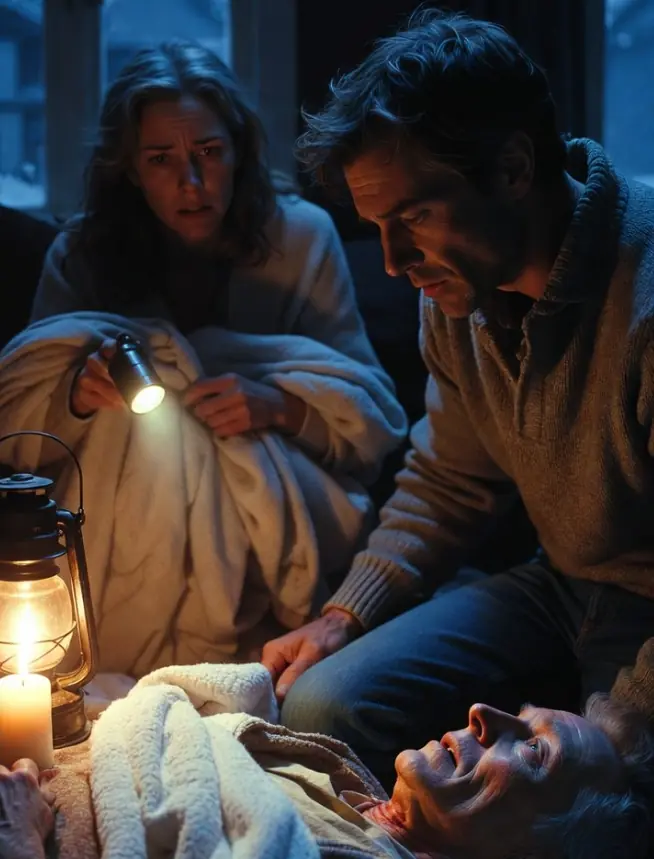
My father-in-law never trusted me until our family faced a crisis together
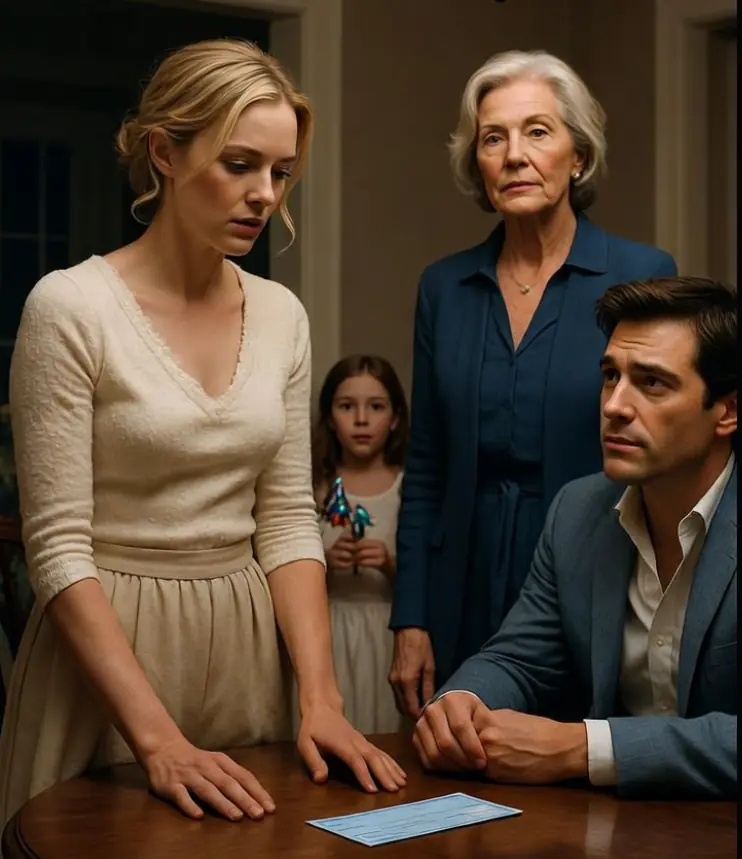
My mother-in-law helped us financially and slowly took control of our marriage
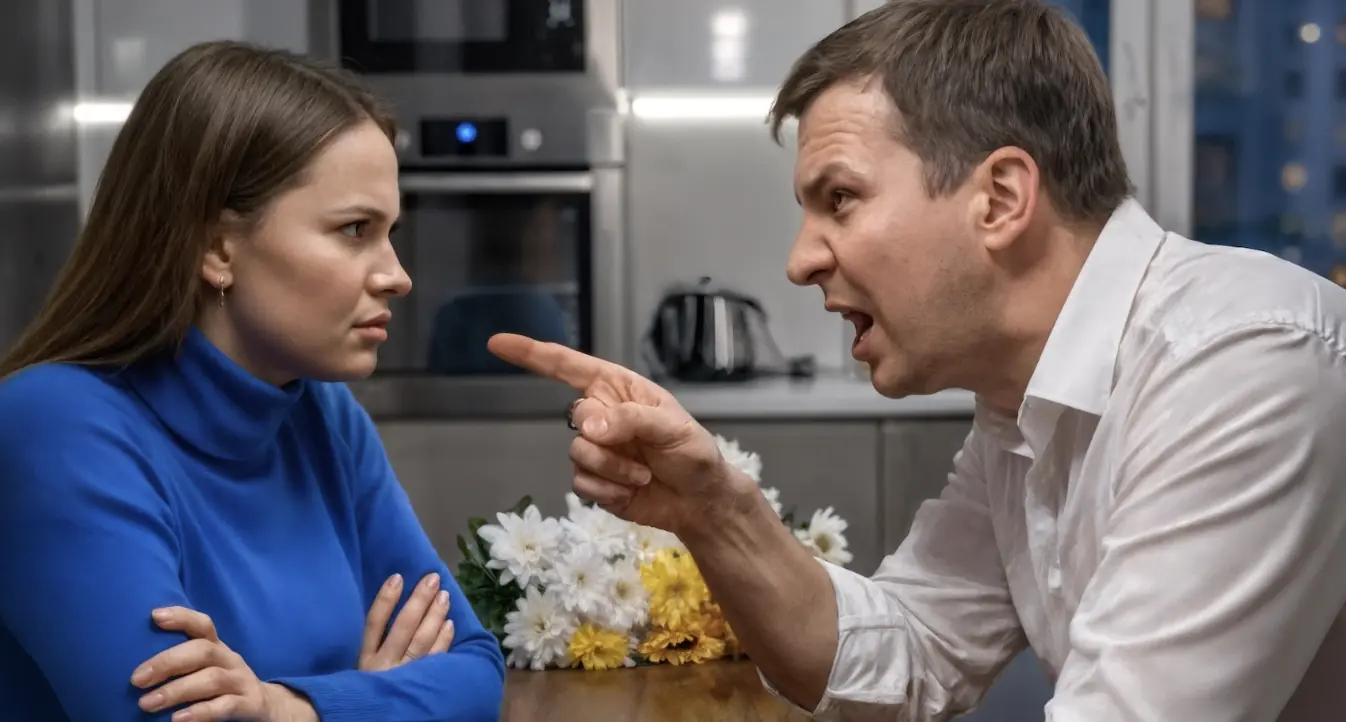
“Who Cares Whose Apartment It Is? I’m the Man — That Means I Run Everything,” the Unemployed Husband Declared

“Now that’s a real man — he squeezed the chicken dry!” the mother-in-law was already celebrating her victory

“I’m the one buying the groceries, and this house is“I’m the one buying the groceries, and this house is mine—so pack up and get out.” I cut off my mother-in-law’s little performance mine—so pack up and get out.” I cut off my mother-in-l


“Stop spending money on yourself—our son needs to save up for a car!” my mother-in-law snapped, eyeing my manicure




My Future Mother-in-Law Came to “Get Acquainted” — and Immediately Tried to Use Me, Demanding a “Small Favor”
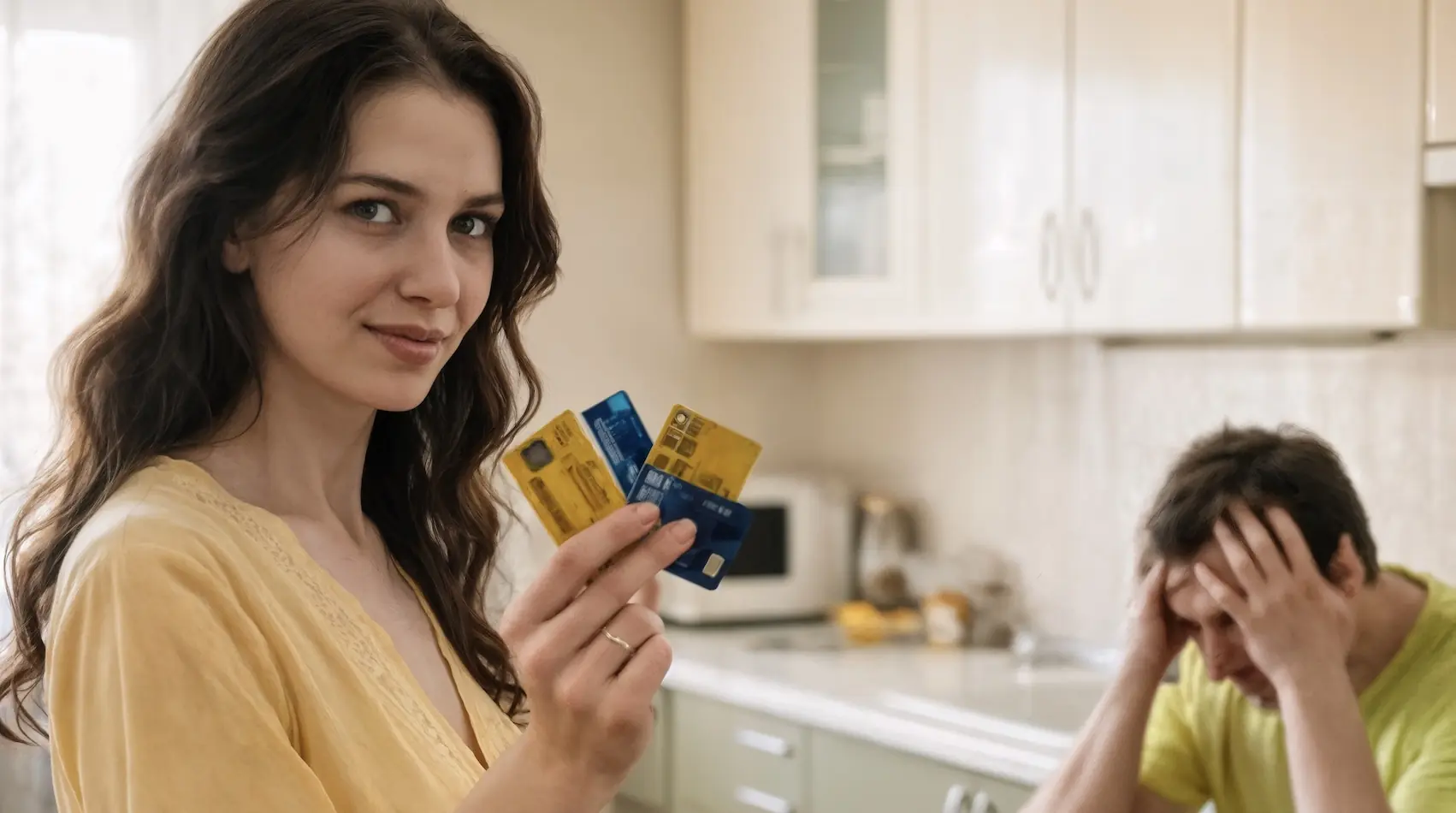
“I blocked your card. I’m the man of this house, so I decide what we buy.” — But I taught my arrogant husband a lesson

“I’m not going to nurse a person I’ve seen twice in my life,” the daughter-in-law refused to comply with her mother-in-law’s bizarre demand

11 Surprising Facts About Hard-Boiled Eggs


A 52-Year-Old Woman Di.ed from a Stro.ke: Middle-Aged People, Stop Doing These 7 Things—Even in the Cold Winter—Before It’s Too Late!

Magnesium is an essential mineral in the human body, playing a critical role in over 300 enzymatic processes.

Magnesium is an essential mineral in the human body, playing a critical role in over 300 enzymatic processes.
Everyone expected us to help, but no one asked if we could handle it

At just 20 years old, Linh Nguyen (name changed), a young and passionate teacher at a local elementary school, passed away from liver cancer — a disease typically associated with older individuals or those with long-term health issues.
Money was never our problem until it became everything

6 More Foods You Should Avoid Pairing With Coffee

Known as the World’s Dead.liest Food, It Kil.ls Hundreds Each Year — Would You Still Eat It?
I loved my wife and my parents, but i couldn’t keep everyone happy
I realized i was expected to give more than anyone ever asked out loud
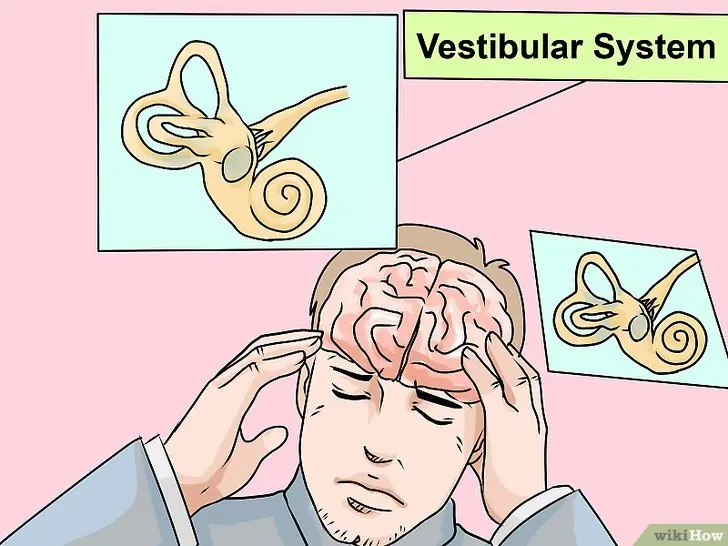
Ringing in Your Ears? Your Body Might Be Trying to Tell You Something

This Simple Lemon and Charcoal Trick Could Save You a Lot of Money
We took turns being strong while trying to save our child together
My father-in-law never trusted me until our family faced a crisis together

8 Ways Ginger Tea Can Support Your Body Before Sleep
My mother-in-law helped us financially and slowly took control of our marriage
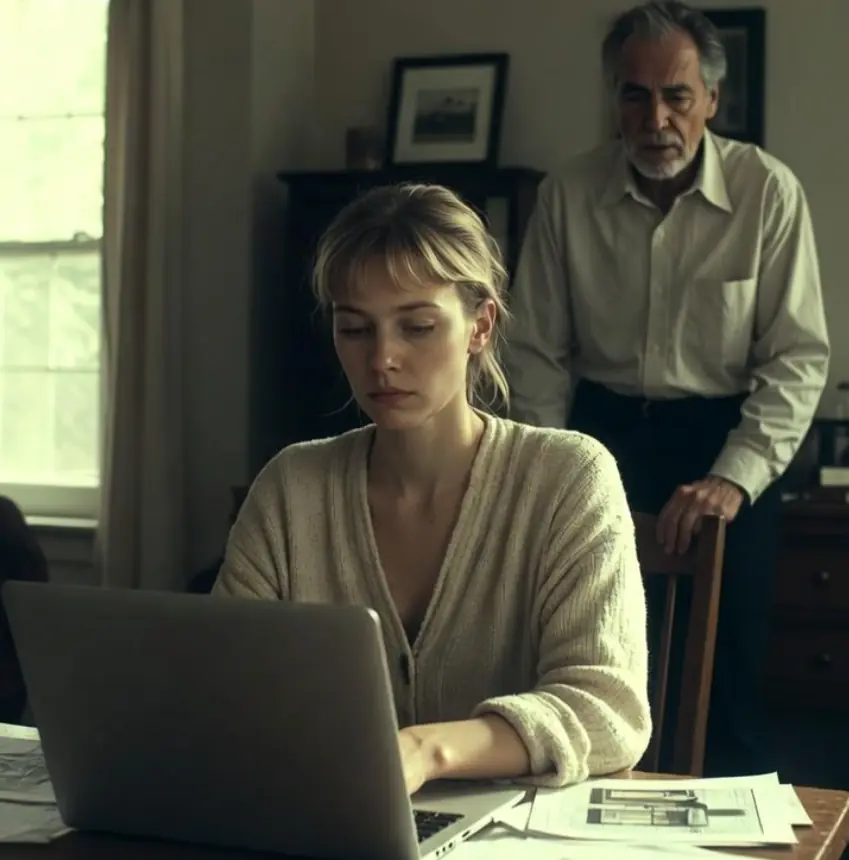
I never felt judged by words, only by the silence of my father-in-law