
Everyone expected us to help, but no one asked if we could handle it
Everyone expected us to help, but no one asked if we could handle it
Story 10/02/2026 10:27
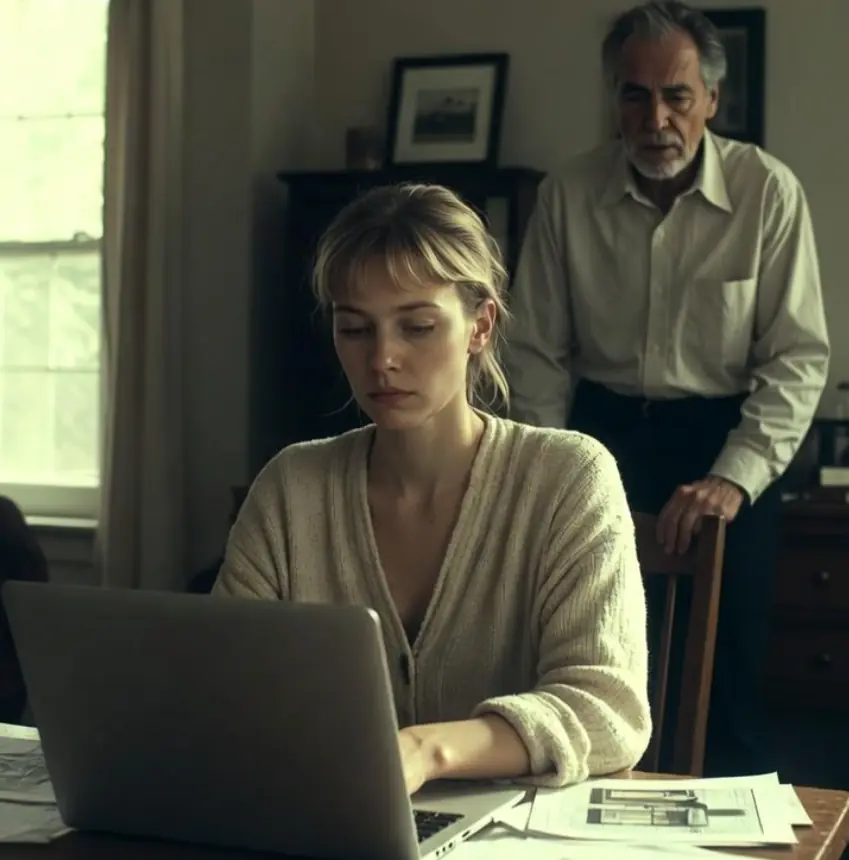
The floorboards in our home in New Jersey had a specific way of groaning under the weight of my father-in-law, Arthur. It wasn't a loud sound, but in the early morning stillness, it felt like a countdown. Every morning at 6:00 AM, I would hear him move from his bedroom to the kitchen. I would lie in bed, my heart doing a nervous little dance, waiting for the sound of the coffee pot—and the silence that always followed it.
I had moved into Arthur’s house with my husband, David, six months ago. It was supposed to be a temporary arrangement—a way to save for a down payment while David transitioned to a new firm. I had imagined a cozy, multi-generational household filled with shared stories and the warmth of a family unit. I thought I was prepared for the adjustments of living with an older parent. What I wasn't prepared for was the psychological weight of a man who didn't use words to communicate his disapproval.
Arthur is a man of the old school—refined, meticulous, and incredibly quiet. He didn't criticize my cooking, my career, or the way I folded the laundry. He simply watched. He would sit in his wingback chair in the living room, a newspaper in his lap, and his gaze would follow me as I moved through "his" spaces. It was a gaze that felt like an audit.
The drama of our cohabitation was built into the smallest, most mundane moments. It was in the way he would walk into the kitchen after I had finished making dinner, look at the counter for a beat too long, and then quietly pick up a single stray crumb I had missed. He wouldn't say, "You’re messy." He would just clean the spot with a slow, deliberate motion that made me feel like a careless intruder.
Or it was the way he would react when I talked about my work as a freelance graphic designer. David would be enthusiastic, asking about my latest project, but Arthur would just take a slow sip of his tea, staring at the wall behind me. His silence wasn't empty; it was heavy with the implication that my work wasn't "real" work, that it lacked the gravity of the corporate world he had inhabited for forty years.
I felt a creeping sense of self-doubt that began to erode my confidence. I started second-guessing every movement. Is the TV too loud? Did I leave the shoes in the hallway again? Is he judging the fact that we ordered Thai food instead of cooking? I became a shadow in the house, trying to minimize my "footprint" to avoid the weight of his quiet observation.
David, bless him, didn't see it. "He’s just a quiet guy, Elena," he would say when I tried to explain the tension. "He’s always been like that. He loves having us here."
But David wasn't there during the day. He didn't feel the way the air in the room would change when Arthur walked in. He didn't see the way Arthur would adjust the thermostat by exactly two degrees every time I left the room, a silent correction of my preference. I felt like I was being slowly erased, one unspoken expectation at a time.
The internal conflict was exhausting. I felt a deep sense of guilt for being "ungrateful." After all, he was letting us stay in his beautiful home. He wasn't mean; he wasn't aggressive. But the emotional distance was a barrier I couldn't seem to climb. I found myself staying in our bedroom for hours just to avoid the living room, even when I was thirsty or bored. I was a grown woman, yet I felt like a teenager hiding from a principal.
The turning point came on a rainy Thursday in April. I was working at the dining table, my laptop open and sketches scattered around me. It was a big deadline, and I was already stressed. Arthur walked into the room, stood by the sideboard, and just... looked.
He didn't say anything. He didn't ask what I was doing. He just looked at the papers, then at the clock, then at me. The silence stretched for thirty seconds—an eternity in a room where you feel unwanted. I felt the familiar heat of embarrassment rising in my neck. I felt the urge to apologize for "cluttering" his table, to pack up my things and retreat to the bedroom.
But then, I looked at his hands.
Arthur was gripping the edge of the sideboard so hard his knuckles were white. He wasn't looking at me with judgment; he was looking at me with a profound, terrifying awkwardness. In that moment, the perspective shifted. I realized that his silence wasn't necessarily a weapon; it was a shield. He didn't know how to interact with this new version of family. He didn't know how to bridge the gap between his quiet, solitary life and the vibrant, messy energy I brought into it.
His subtle disapproval was actually his own struggle with change. He wasn't judging me because I was "wrong"; he was judging the situation because it was "different," and he lacked the emotional vocabulary to say so.
I took a deep breath, my heart steadying. I didn't apologize. I didn't pack up.
"It’s a busy day, Arthur," I said, my voice calm and clear. "I’ll be using the table until five. There’s fresh coffee in the kitchen if you’d like some."
He blinked, clearly startled by the directness. He looked at the coffee pot, then back at me. The silence was still there, but the balance had shifted. I had set a boundary—not with anger, but with presence. I was claiming my right to occupy space in the house, not as a guest or an intruder, but as a member of the family.
"The roast is in the oven," I added. "I thought we could try that new rosemary recipe you mentioned last week."
He didn't smile, but he did give a small, almost imperceptible nod. "Rosemary is good," he murmured. It was the first time he had commented on a meal before it was served.
The weeks that followed weren't a magical transformation into a chatty, boisterous household. Arthur is still a man of few words, and I still hear the floorboards groan every morning. But the nature of the silence has changed. It’s no longer a weight; it’s just a background noise.
I stopped seeking his unspoken approval and started offering my own reality. When he picks up a crumb, I don't feel ashamed; I just think, He likes a clean counter, and I keep going. When he stares at my work, I show him a finished design and explain the color theory behind it, even if he just grunts in response. I realized that my self-doubt was a fire I was fueling myself. By standing firm in my own value, I extinguished the flame.
We reached a moment of true understanding last Sunday. We were both in the garden, planting the first of the spring petunias. We worked in silence for twenty minutes—a comfortable, rhythmic silence this time. As we finished, he reached over and handed me a small trowel I had left in the grass.
"You have a good eye for the layout, Elena," he said. He didn't look at me, but the words were there. Clear. Spoken.
"Thank you, Arthur," I replied.
I realized then that being close to family doesn't always mean constant conversation. Sometimes, it means learning to exist in the same space without needing to fill the gaps with noise. I am no longer a shadow in his house, and he is no longer a judge in mine. We are just two people, sharing a roof and a garden, learning that respect is often found in the things we choose not to say—and the boundaries we are finally brave enough to draw. The floorboards still groan, but now, when I hear them, I just think of it as the house settling in, finally comfortable with all of us inside.
Everyone expected us to help, but no one asked if we could handle it

Money was never our problem until it became everything

I loved my wife and my parents, but i couldn’t keep everyone happy

I realized i was expected to give more than anyone ever asked out loud

We took turns being strong while trying to save our child together

I paid off my husband’s debt and lost more than just money

My father-in-law never trusted me until our family faced a crisis together

My mother-in-law helped us financially and slowly took control of our marriage

“Who Cares Whose Apartment It Is? I’m the Man — That Means I Run Everything,” the Unemployed Husband Declared

“Now that’s a real man — he squeezed the chicken dry!” the mother-in-law was already celebrating her victory

“I’m the one buying the groceries, and this house is“I’m the one buying the groceries, and this house is mine—so pack up and get out.” I cut off my mother-in-law’s little performance mine—so pack up and get out.” I cut off my mother-in-l


“Stop spending money on yourself—our son needs to save up for a car!” my mother-in-law snapped, eyeing my manicure




My Future Mother-in-Law Came to “Get Acquainted” — and Immediately Tried to Use Me, Demanding a “Small Favor”

“I blocked your card. I’m the man of this house, so I decide what we buy.” — But I taught my arrogant husband a lesson

“I’m not going to nurse a person I’ve seen twice in my life,” the daughter-in-law refused to comply with her mother-in-law’s bizarre demand

11 Surprising Facts About Hard-Boiled Eggs


A 52-Year-Old Woman Di.ed from a Stro.ke: Middle-Aged People, Stop Doing These 7 Things—Even in the Cold Winter—Before It’s Too Late!

Magnesium is an essential mineral in the human body, playing a critical role in over 300 enzymatic processes.

Magnesium is an essential mineral in the human body, playing a critical role in over 300 enzymatic processes.
Everyone expected us to help, but no one asked if we could handle it

At just 20 years old, Linh Nguyen (name changed), a young and passionate teacher at a local elementary school, passed away from liver cancer — a disease typically associated with older individuals or those with long-term health issues.
Money was never our problem until it became everything

6 More Foods You Should Avoid Pairing With Coffee

Known as the World’s Dead.liest Food, It Kil.ls Hundreds Each Year — Would You Still Eat It?
I loved my wife and my parents, but i couldn’t keep everyone happy
I realized i was expected to give more than anyone ever asked out loud
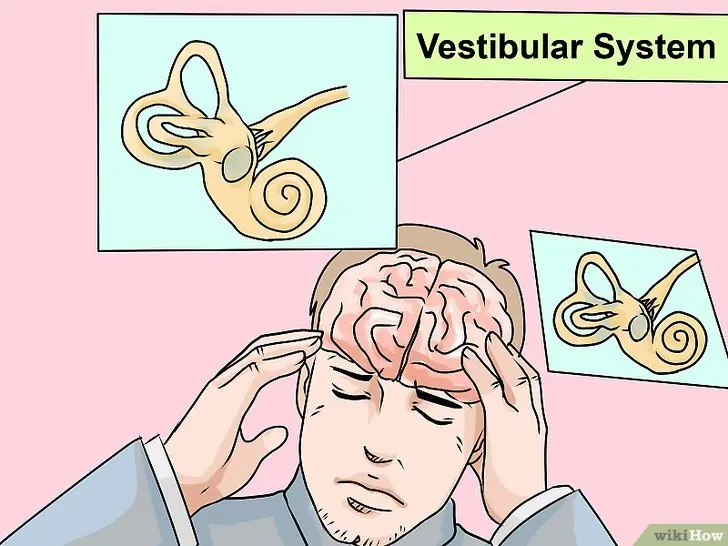
Ringing in Your Ears? Your Body Might Be Trying to Tell You Something

This Simple Lemon and Charcoal Trick Could Save You a Lot of Money
We took turns being strong while trying to save our child together
I paid off my husband’s debt and lost more than just money
My father-in-law never trusted me until our family faced a crisis together

8 Ways Ginger Tea Can Support Your Body Before Sleep
My mother-in-law helped us financially and slowly took control of our marriage