Hard-boiled eggs look simple - almost boring. They’re cheap, easy to prepare, and show up everywhere from breakfast plates to salads and
lunchboxes. But behind that plain white shell is a surprisingly complex food with some facts that most people never hear about.
Here are 11 lesser-known things about hard-boiled eggs that might change the way you look at this everyday staple.
1. Hard-Boiled Eggs Are One of the Most Complete Proteins You Can Eat
Eggs contain all nine essential amino acids your body needs, in the right proportions. That makes hard-boiled eggs a “complete protein,”
something relatively rare in whole foods. This is one reason eggs are so effective for muscle repair, satiety, and overall nutrition.
2. The Yolk Is Where Most of the Nutrients Live
Many people avoid egg yolks, but that’s where most of the good stuff is. The yolk contains:
-
Vitamins A, D, E, and K
-
Choline (essential for brain and liver health)
-
Healthy fats that help absorb nutrients
Removing the yolk means losing a large portion of the egg’s nutritional value.
3. The Green Ring Isn’t Dangerous (But It Means You Overcooked It)
That gray-green ring that sometimes forms around the yolk isn’t harmful. It happens when eggs are cooked too long or at too high a
temperature, causing sulfur in the egg white to react with iron in the yolk.
It doesn’t make the egg unsafe but it does affect texture and flavor. Slightly softer cooking prevents this.
4. Hard-Boiled Eggs Can Help Control Appetite
Because they’re high in protein and fat but low in calories, hard-boiled eggs help you feel full longer. Eating eggs for breakfast has been
linked to reduced hunger later in the day, which can help with weight management without extreme dieting.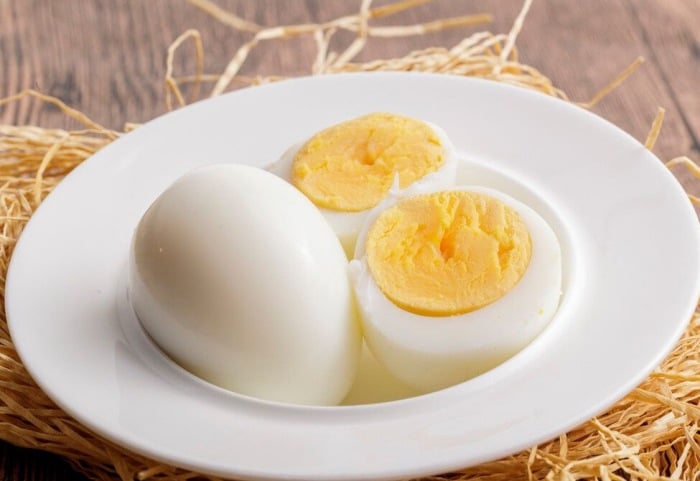
5. They’re Easier to Digest Than Raw or Fried Eggs
Cooking eggs changes the protein structure, making them easier for the body to digest and absorb. In fact, studies show that the body
absorbs more protein from cooked eggs than raw ones.
Hard-boiling is one of the gentlest cooking methods, especially for sensitive stomachs.
6. Egg Color Has Nothing to Do With Nutrition
Brown eggs and white eggs are nutritionally almost identical. Shell color depends on the breed of the hen, not the quality of the egg. The
difference you notice in taste usually comes from the hen’s diet, not the shell color.
7. Hard-Boiled Eggs Are Naturally Low-Carb
One large hard-boiled egg contains less than 1 gram of carbohydrates, making it ideal for low-carb, keto, or blood-sugar-friendly diets.
Unlike many “protein snacks,” eggs don’t cause sugar spikes.
8. They’re One of the Best Sources of Choline
Choline is crucial for:
-
Brain development
-
Memory and cognition
-
Nervous system function
Many people don’t get enough choline in their diets, and eggs are one of the richest natural sources—especially the yolk.
9. Hard-Boiled Eggs Last Longer Than You Think
Unpeeled hard-boiled eggs can last up to 7 days in the refrigerator when stored properly. The shell actually protects the egg from bacteria
and moisture loss. Peeled eggs spoil faster and should be eaten within 2–3 days.
10. They Can Support Eye Health
Egg yolks contain lutein and zeaxanthin - two antioxidants that help protect the eyes from blue light damage and age-related vision decline.
These compounds are more easily absorbed from eggs than from many vegetables.
11. Timing Matters When You Eat Them
Hard-boiled eggs can be energizing or calming depending on when you eat them:
-
In the morning, they provide long-lasting energy
-
After workouts, they support muscle recovery
-
In the evening, they’re light enough not to disrupt sleep (for most people)
They’re one of the few foods that fit almost any time of day.
Common Mistakes People Make With Hard-Boiled Eggs
-
Overcooking them, leading to rubbery whites
-
Peeling them too soon instead of cooling them first
-
Throwing away yolks unnecessarily
-
Storing peeled eggs too long
Small changes in preparation can make a big difference in taste and nutrition.
Final Thoughts
Hard-boiled eggs may look basic, but they’re anything but simple. They’re nutrient-dense, affordable, easy to prepare, and incredibly versatile.
From brain health to digestion and appetite control, they quietly support the body in more ways than most people realize.
Sometimes the most underestimated foods are the ones doing the most work behind the scenes.