
Money was never our problem until it became everything
Money was never our problem until it became everything
Story 10/02/2026 10:21
The Saturday morning air in our kitchen was usually a sanctuary of quiet—the smell of fresh coffee and the soft rustle of the weekend paper. But lately, that silence had been replaced by a low-frequency hum of anxiety. It started with a vibrating phone on the nightstand and ended with a stack of bank statements that I had been staring at for far too long. My husband, David, sat across from me, his eyes fixed on his mug, his shoulders carrying a weight that hadn't been there a year ago.
We were the "successful" ones in the family. We had steady jobs, a modest but well-maintained home, and a reputation for being the reliable port in every storm. It was a role we had stepped into willingly at first, fueled by a genuine desire to be helpful. But over the last eighteen months, the role of "helper" had subtly shifted into the role of "provider," and the boundary between support and sacrifice had vanished.
It began with my younger sister, Jenna, who needed a "short-term" loan to bridge the gap between jobs. Then it was David’s cousin, who needed a place to stay "for a few weeks" that turned into six months. And always, in the background, were the constant emotional crises—the late-night phone calls from aunts and siblings who needed us to mediate their disputes, fix their problems, and absorb their stress.
The drama of our lives was entirely internal. No one ever demanded our help with a shout; they did it with a sigh. They did it with the phrase, "Well, you guys have it so together," or "We knew we could count on you."
It was a compliment that felt like a trap.
I felt a growing sense of resentment that I was terrified to voice. Every time I looked at our savings account—the one we had earmarked for our own future, for the children we hoped to have—and saw it stagnating while we funded other people's emergencies, I felt a sharp, bitter pang in my chest. I felt like a reservoir that everyone was drinking from, but no one was checking to see if the water level was getting dangerously low.
The fear of being seen as selfish was a constant, cold presence. In our family culture, "no" was a dirty word. To set a boundary was to be "difficult" or "uncaring." I was haunted by the image of how I would be discussed at the next family dinner if I stopped the flow of support. I could almost hear the whispers: Sarah has changed. She’s forgotten where she came from. She’s become so preoccupied with her own comfort.
So, I kept smiling. I kept transferring the money. I kept taking the phone calls at 11:00 PM. I became an expert at the "quiet compromise," shaving off bits of my own peace and our collective security to keep the peace for everyone else.
The fatigue was bone-deep. It wasn't just the financial cost; it was the emotional exhaustion of being everyone's "strong person." I realized that when you are always the one helping, people forget that you are also a person who might need help. They stop asking how you are because they assume you’re "fine"—after all, you’re the one who has it all together.
The breaking point arrived on a Tuesday afternoon. I was at my desk at work, trying to focus on a report, when my phone buzzed. It was a text from my brother, asking for another "favor" that involved a significant amount of my time and a non-negligible amount of money.
I stared at the screen, and for the first time, I didn't feel the urge to fix it. I felt a profound, heavy sense of "done." I looked at my reflection in the darkened computer monitor and saw a woman who looked ten years older than she was. I saw someone who was so busy maintaining everyone else’s lives that she had let her own become a hollow shell.
That evening, I sat down with David. The house was quiet, and for once, the phone wasn't buzzing.
"We have to stop, David," I said, my voice barely a whisper.
He looked at me, and I saw a flicker of relief in his eyes that mirrored my own. "I know," he said. "I’ve been waiting for you to say it. I didn't want to be the one to let them down."
"But we're letting ourselves down," I said. "We’re letting our marriage down. We’re being 'good' to everyone except us."
The reevaluation of our responsibility was a slow, painful process. I had to unlearn the idea that my self-worth was tied to my utility. I had to accept that I wasn't responsible for the consequences of other people's choices. Being a sister, a daughter, or a cousin didn't mean I was an ATM or an unpaid therapist. It meant I was a human being in a relationship, and relationships require a two-way street.
I realized that the pressure I felt wasn't just coming from them; it was coming from my own need to be seen as the "hero." I was addicted to the validation of being the reliable one, even as it was destroying me.
We started small. The next time a request came in—a request for money that we couldn't comfortably spare—I didn't make an excuse. I didn't apologize for ten minutes. I just said, "I’m sorry, but we can't do that right now. We’re focusing on our own goals this year."
The silence on the other end of the line was deafening. There were the expected guilt trips, the subtle hints that we were being "different," and a few weeks of cold shoulders. It was exactly what I had feared, and yet, as I sat in my quiet kitchen that Saturday morning, I realized that the world hadn't ended.
In fact, the world had become much larger.
By saying no to the things that were breaking me, I was finally saying yes to the life I actually wanted to live. David and I started talking about our own dreams again. We started planning for those children we wanted. We started sleeping through the night without the weight of other people’s crises pressing down on our chests.
The drama didn't vanish—family will always have its complications—but the internal struggle did. I realized that true responsibility isn't about carrying everyone else; it's about carrying yourself so well that you can offer a hand when it’s truly needed, rather than a crutch that prevents others from walking on their own.
My self-worth is no longer measured by how much I can give, but by how much I respect my own boundaries. I still love my family, and I still help when I can, but I’ve learned that I’m allowed to handle my own life first. The reservoir is filling up again, and for the first time in a very long while, the water is clear, the sun is out, and I am finally, peacefully, enough.
Money was never our problem until it became everything
I loved my wife and my parents, but i couldn’t keep everyone happy

I realized i was expected to give more than anyone ever asked out loud
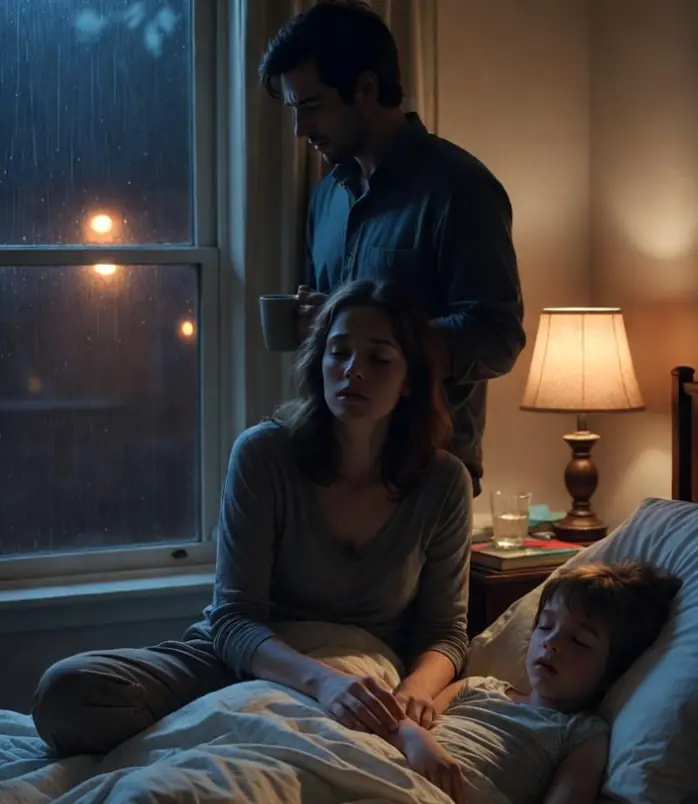
We took turns being strong while trying to save our child together

I paid off my husband’s debt and lost more than just money
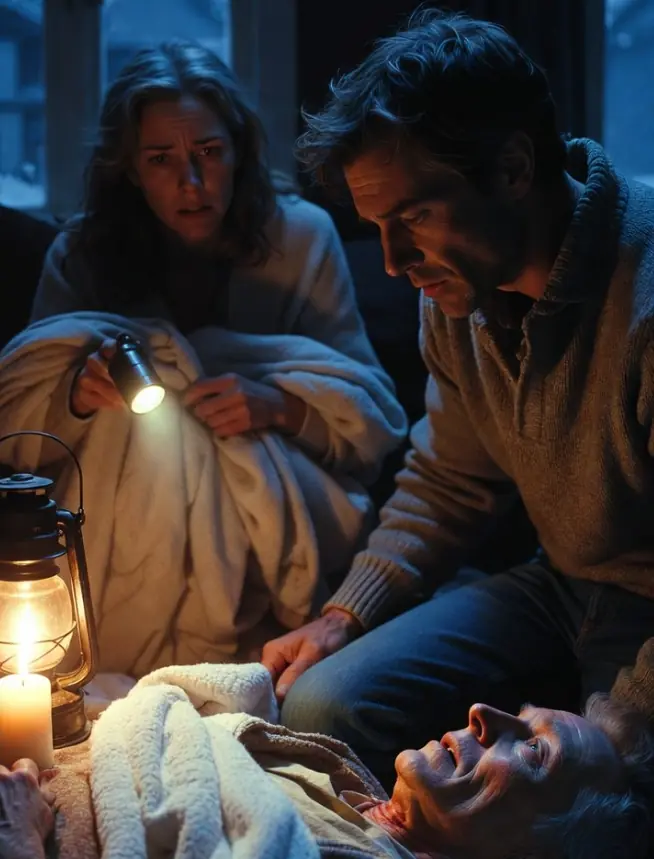
My father-in-law never trusted me until our family faced a crisis together
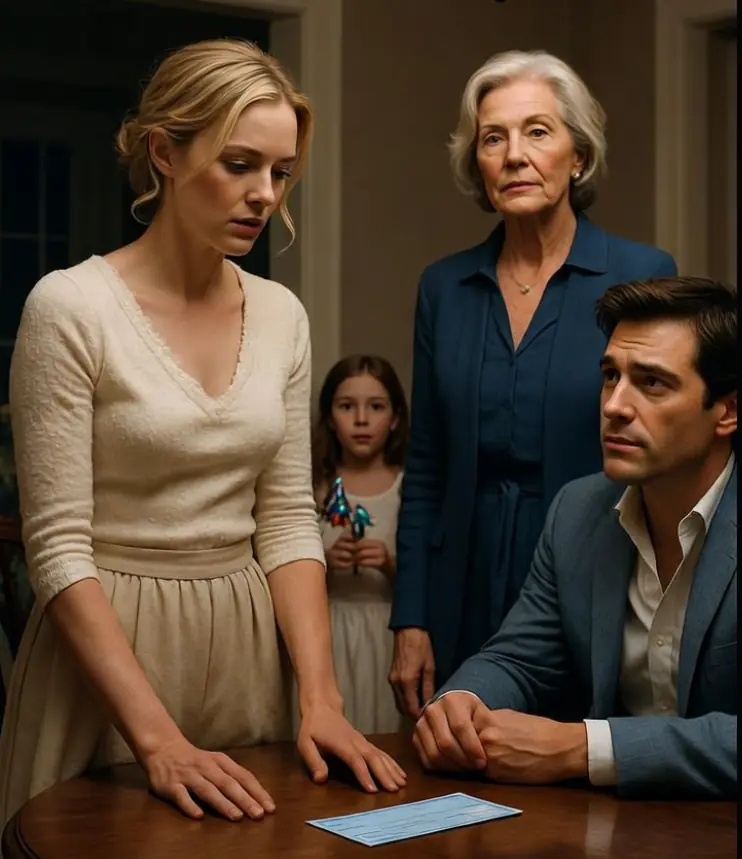
My mother-in-law helped us financially and slowly took control of our marriage
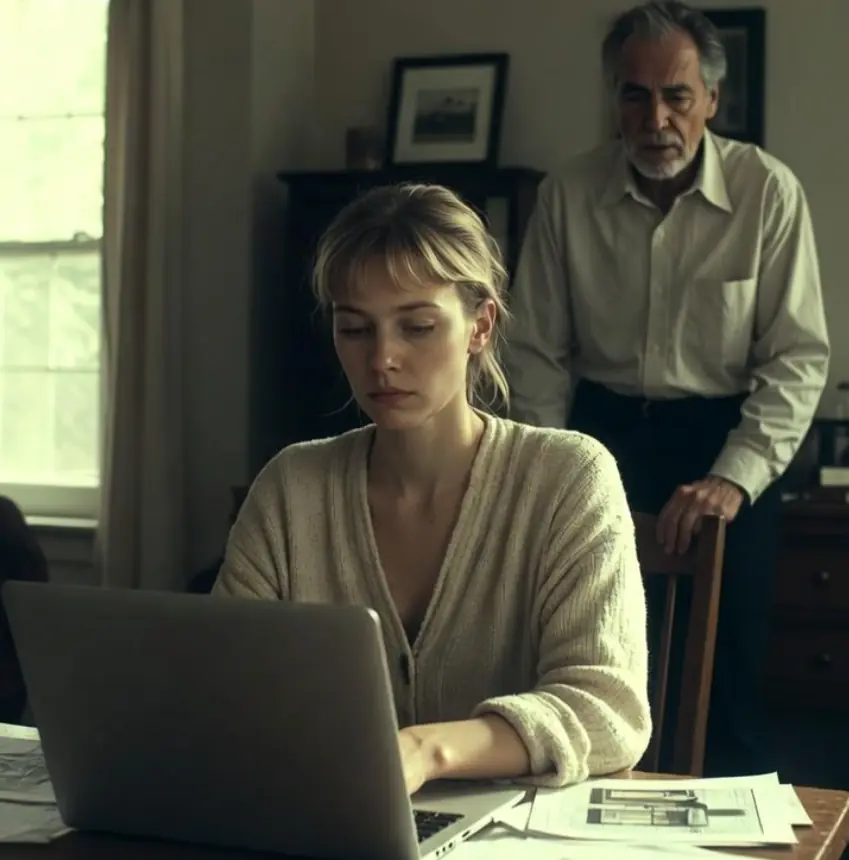
I never felt judged by words, only by the silence of my father-in-law
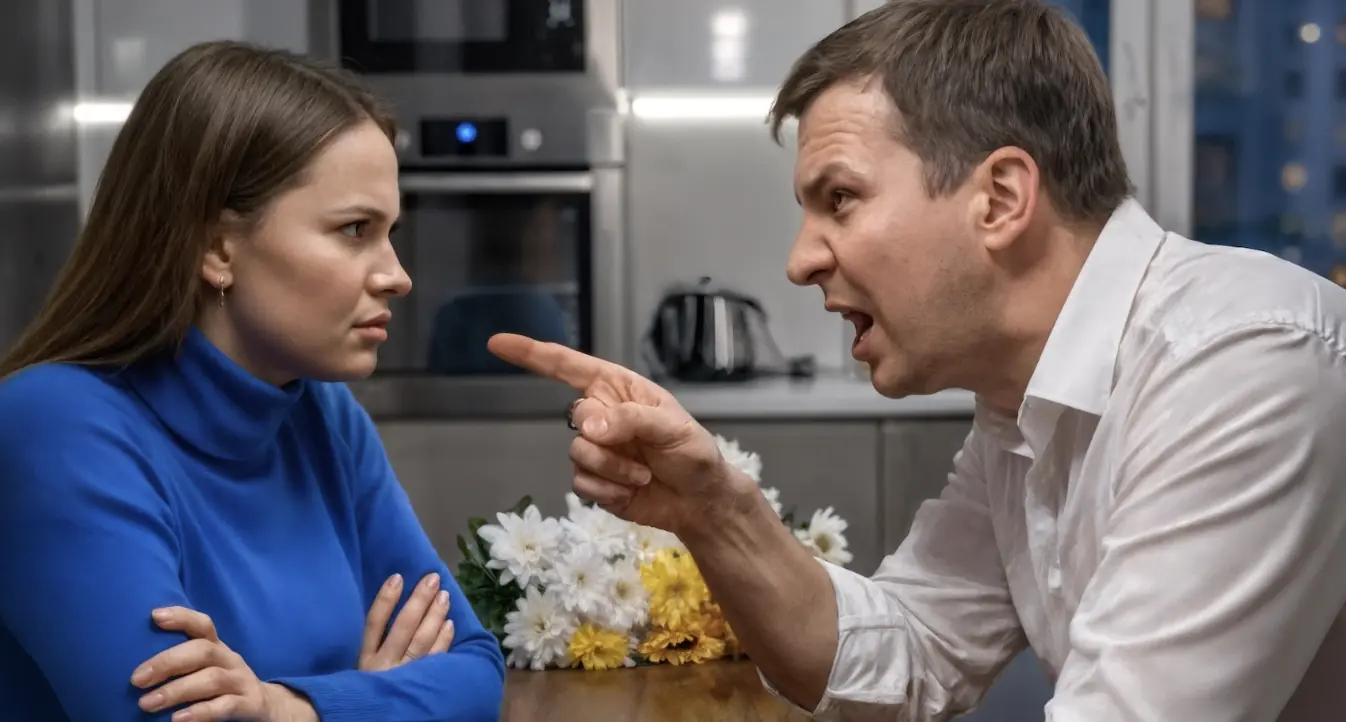
“Who Cares Whose Apartment It Is? I’m the Man — That Means I Run Everything,” the Unemployed Husband Declared
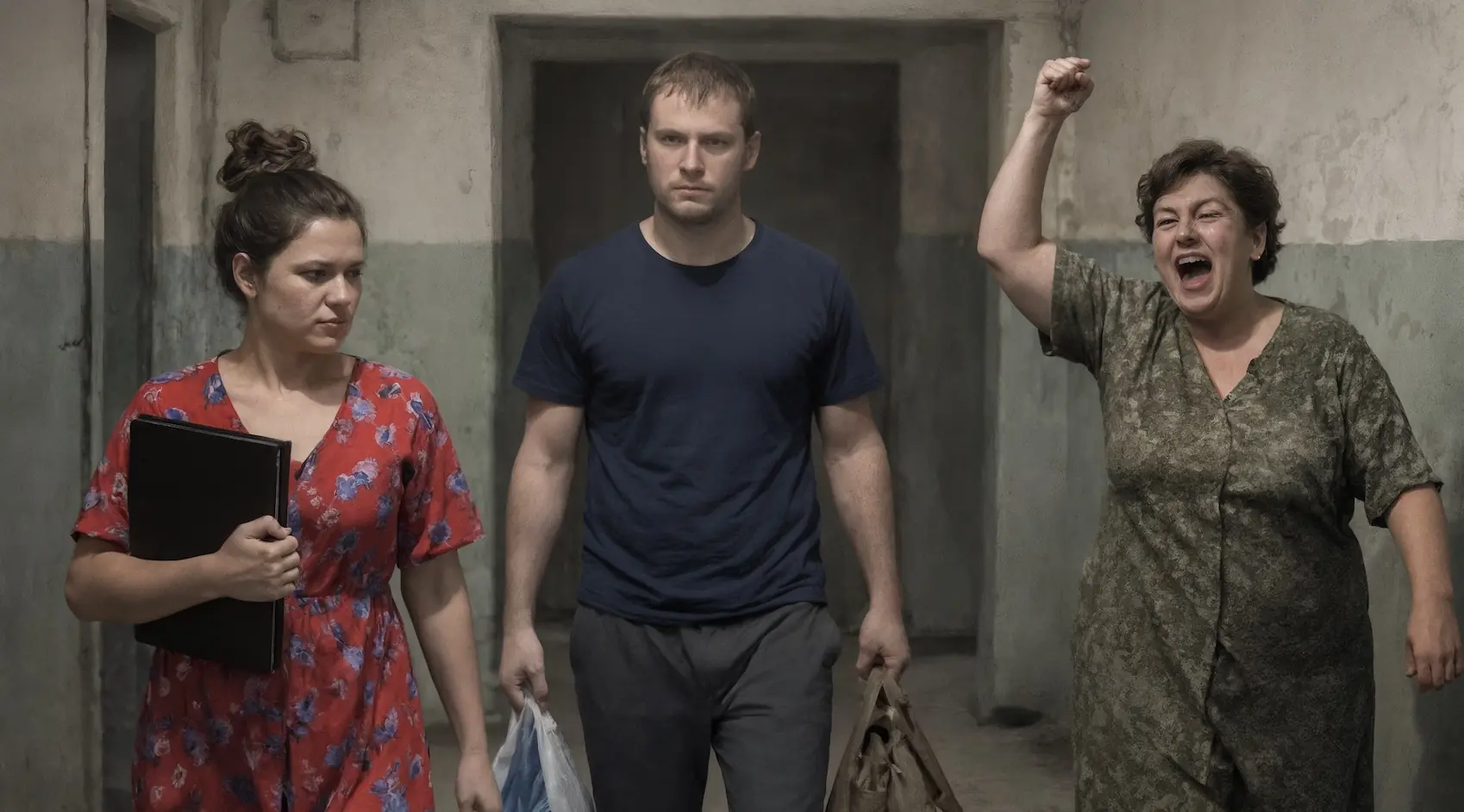
“Now that’s a real man — he squeezed the chicken dry!” the mother-in-law was already celebrating her victory

“I’m the one buying the groceries, and this house is“I’m the one buying the groceries, and this house is mine—so pack up and get out.” I cut off my mother-in-law’s little performance mine—so pack up and get out.” I cut off my mother-in-l
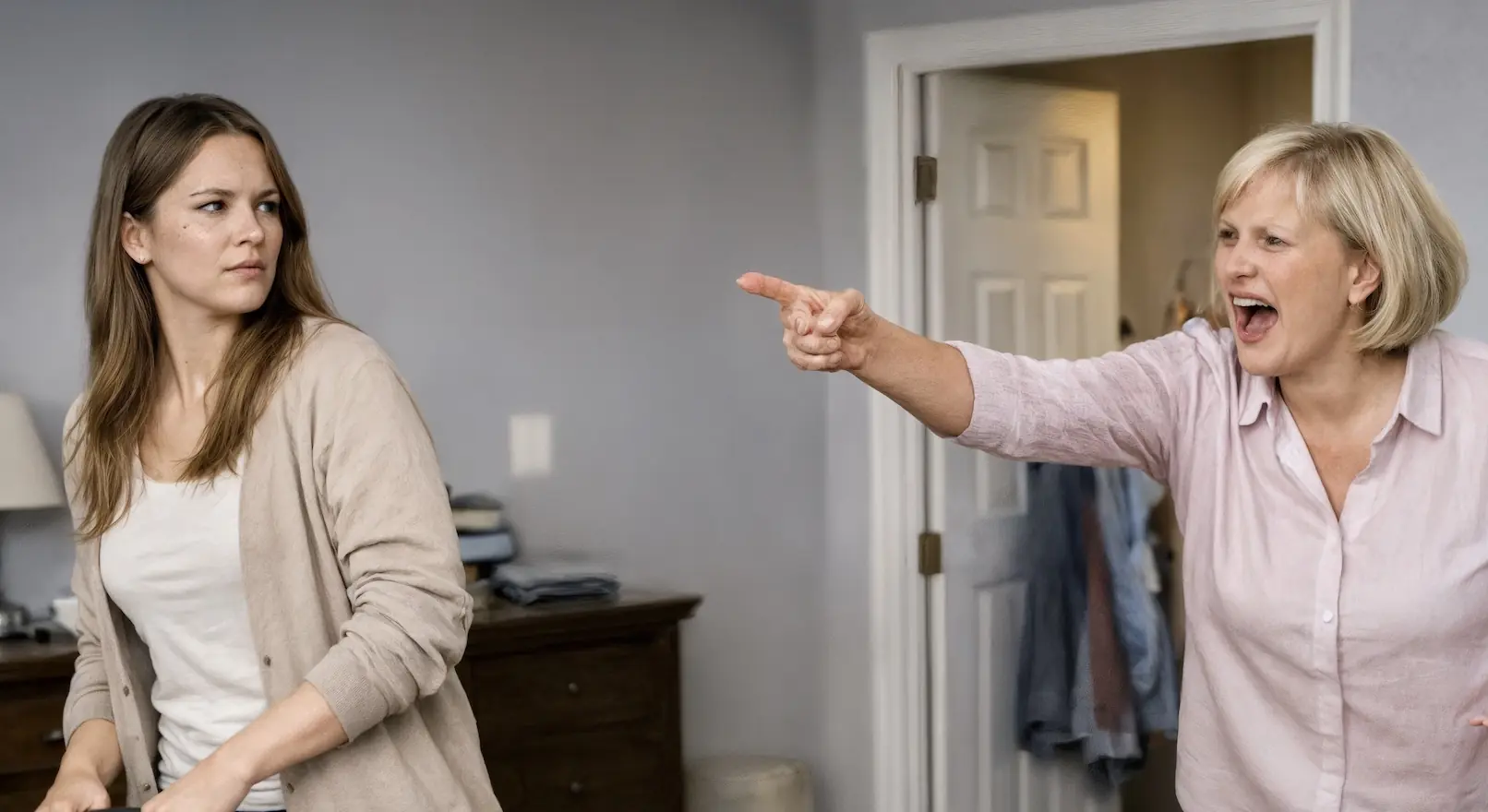
“Stop spending money on yourself—our son needs to save up for a car!” my mother-in-law snapped, eyeing my manicure




My Future Mother-in-Law Came to “Get Acquainted” — and Immediately Tried to Use Me, Demanding a “Small Favor”
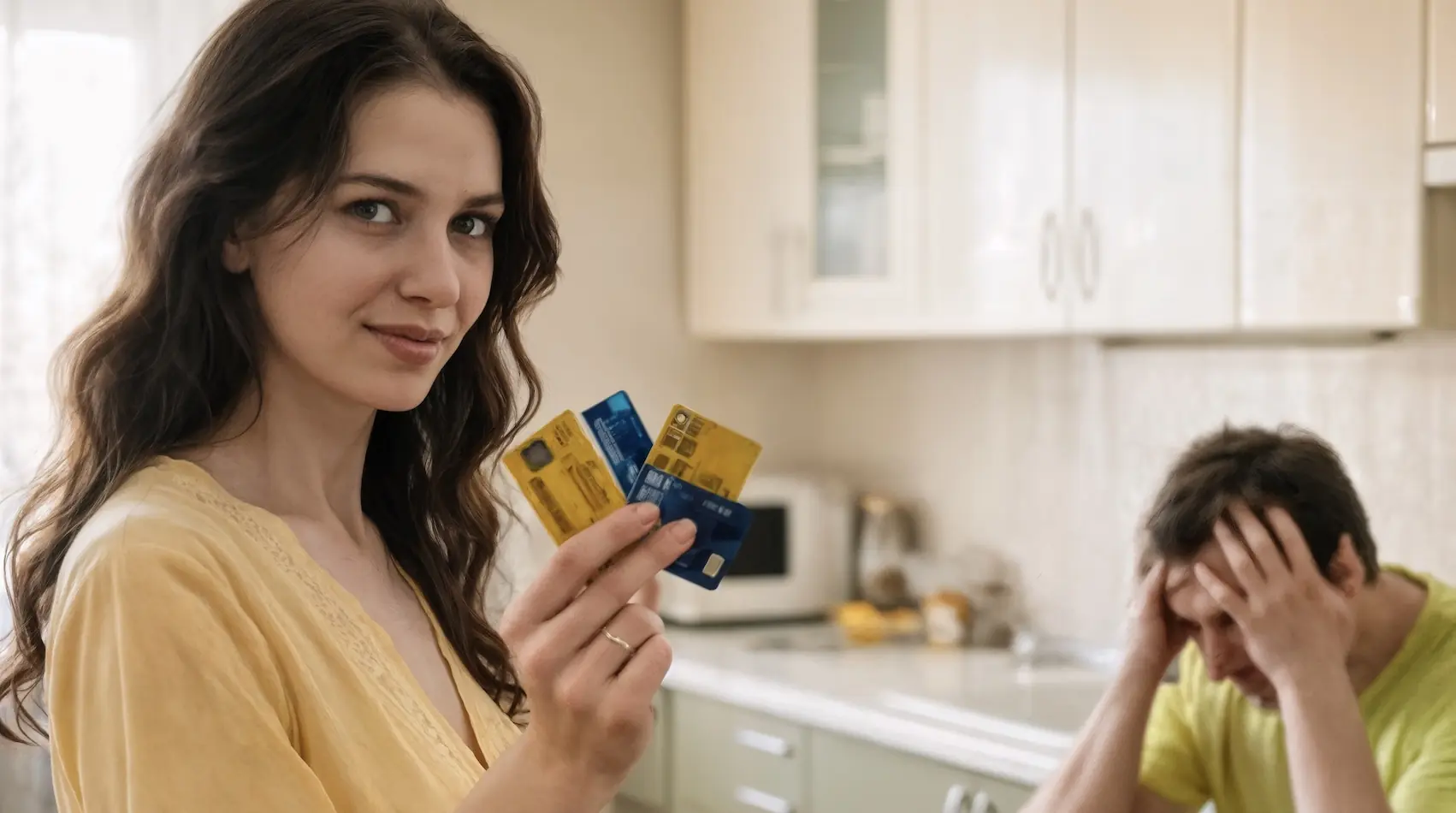
“I blocked your card. I’m the man of this house, so I decide what we buy.” — But I taught my arrogant husband a lesson

“I’m not going to nurse a person I’ve seen twice in my life,” the daughter-in-law refused to comply with her mother-in-law’s bizarre demand
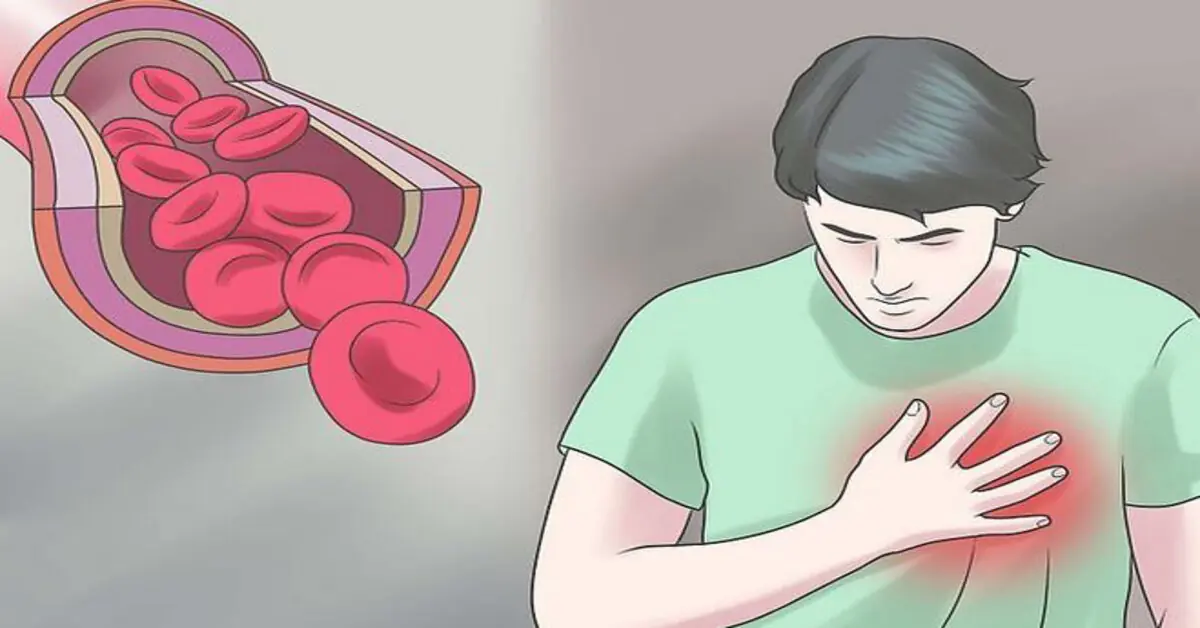
Ages 46–55 Identified as a High-Risk Stage: 10 Warning Signs for Stroke and Premature Death
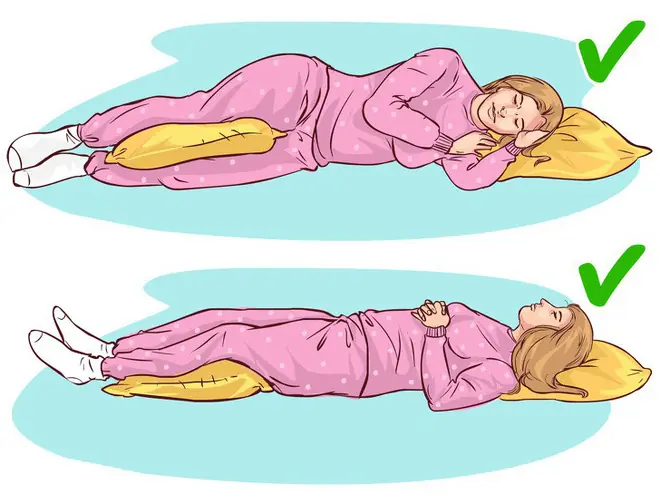
How Sleeping on Your Left Side Affects Your Brain, Stomach, and Glymphatic Health

11 Surprising Facts About Hard-Boiled Eggs


A 52-Year-Old Woman Di.ed from a Stro.ke: Middle-Aged People, Stop Doing These 7 Things—Even in the Cold Winter—Before It’s Too Late!
Magnesium is an essential mineral in the human body, playing a critical role in over 300 enzymatic processes.
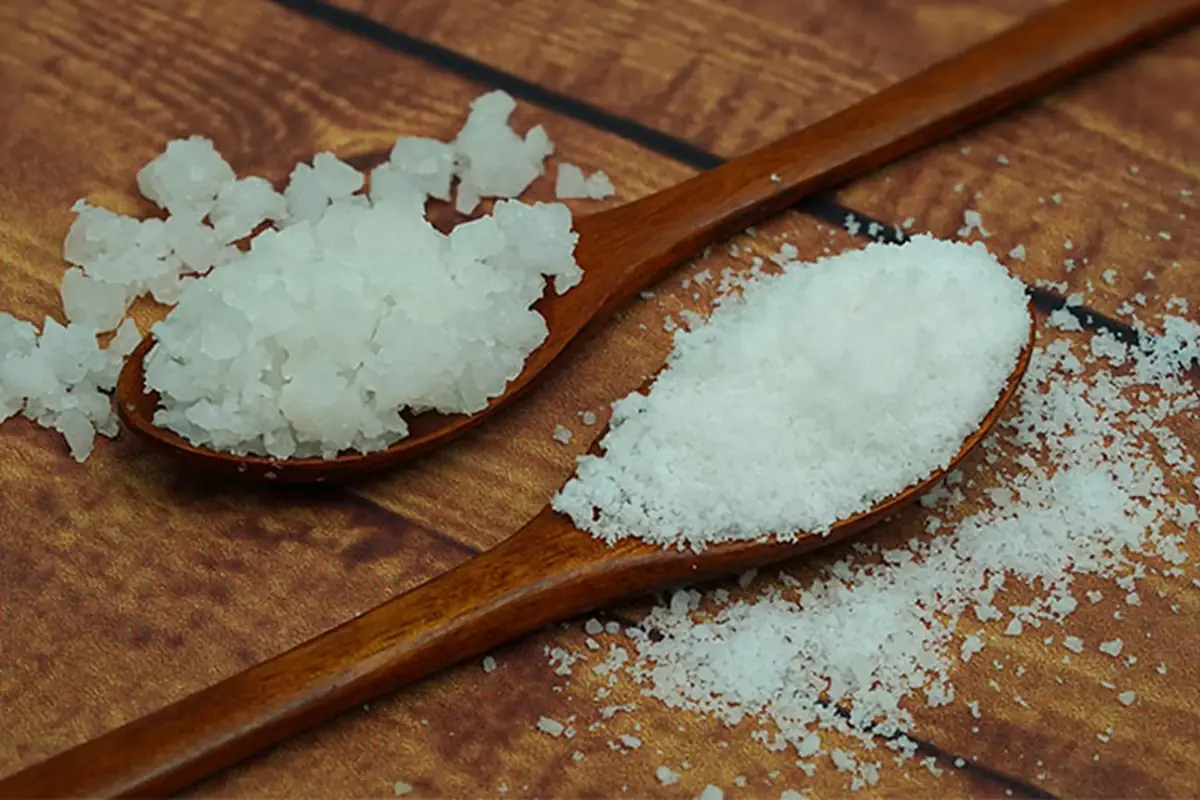
Magnesium is an essential mineral in the human body, playing a critical role in over 300 enzymatic processes.

At just 20 years old, Linh Nguyen (name changed), a young and passionate teacher at a local elementary school, passed away from liver cancer — a disease typically associated with older individuals or those with long-term health issues.
Money was never our problem until it became everything

6 More Foods You Should Avoid Pairing With Coffee

Known as the World’s Dead.liest Food, It Kil.ls Hundreds Each Year — Would You Still Eat It?
I loved my wife and my parents, but i couldn’t keep everyone happy
I realized i was expected to give more than anyone ever asked out loud
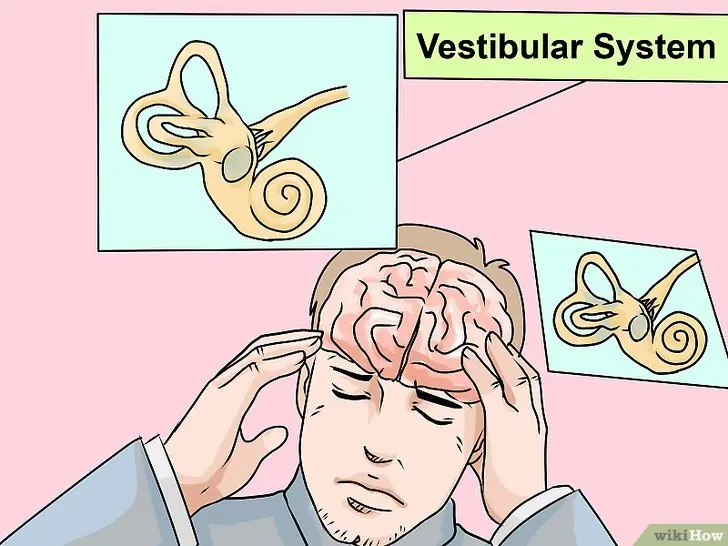
Ringing in Your Ears? Your Body Might Be Trying to Tell You Something

This Simple Lemon and Charcoal Trick Could Save You a Lot of Money
We took turns being strong while trying to save our child together
I paid off my husband’s debt and lost more than just money
My father-in-law never trusted me until our family faced a crisis together

8 Ways Ginger Tea Can Support Your Body Before Sleep