
Everyone expected us to help, but no one asked if we could handle it
Everyone expected us to help, but no one asked if we could handle it
Story 10/02/2026 10:27

The first time I noticed the shift, it wasn't because of a shouting match or a bounced check. It was a Tuesday evening in April, and my husband, Marcus, was sitting at the kitchen island with the laptop open, the blue light reflecting off his glasses in a way that made him look like a stranger. I had come in to tell him about a funny thing that happened at the library where I work, but when I saw the spreadsheet on the screen—the long columns of red and the calculated tallies of our debt—the words died in my throat.
He didn't look up. He just sighed, a heavy, mechanical sound that seemed to pull all the oxygen out of the room. I quietly set his tea down and walked away. That was the beginning of the "quiet season," the time when we stopped talking about our dreams and started talking exclusively about our survival.
We had been married for eight years. For the first seven, money was just a background character in our story. We weren't wealthy, but we were "fine." We had a modest house in a good neighborhood, a reliable car, and enough for a yearly trip to the coast. We were a team that communicated through laughter and shared glances. But then, a series of small, unforgiving events happened: a medical bill that exceeded our deductible, a major repair on the house, and a sudden reduction in Marcus’s commissions at the firm.
Individually, these things were manageable. Together, they formed a slow-moving tide that began to reshape the landscape of our marriage.
The most profound change was in our priorities. Things that used to be essential—date nights at our favorite bistro, buying fresh flowers for the entryway, or the high-quality coffee Marcus loved—suddenly felt like acts of betrayal against our bank account. We began a process of "trimming the fat," but in doing so, we accidentally trimmed away the small rituals that made us us.
Communication, once our greatest strength, became a minefield. We didn't stop talking; we just narrowed our vocabulary. Every conversation became a negotiation. "Did you see the electric bill?" "Can we wait another month for the oil change?" "Do the kids really need new shoes this term?"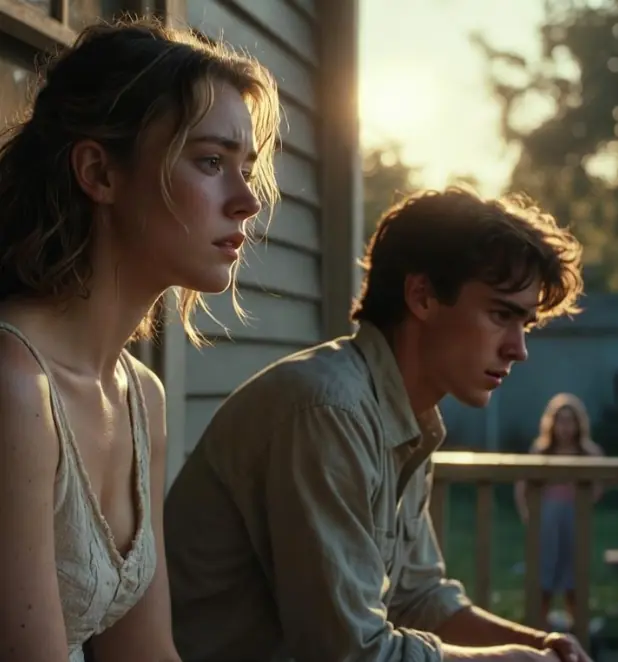
I found myself hiding small purchases, not because they were extravagant, but because I couldn't bear the look of quiet calculation that would cross Marcus’s face if he saw a ten-dollar receipt for a new book. He, in turn, became increasingly withdrawn, his pride wounded by his inability to "provide" in the way he thought a husband should. He started staying at the office later, not because he had more work, but because the silence of his desk was easier to navigate than the unspoken pressure of our home.
The distance grew through misalignment. I wanted to talk about the stress, to cry it out and find comfort in our partnership. Marcus, however, viewed talking as a distraction from solving the problem. He wanted to fix the numbers; I wanted to fix the feeling.
One Saturday, I suggested we take a walk in the park—a free activity that usually brought us closer. Marcus looked at his watch, then at the stack of bills on the sideboard.
"I should really stay here and look at the refinancing options, Elena," he said, his voice flat. "Maybe next weekend."
"The park will still be there next weekend, Marcus," I said, trying to keep my voice light. "But we might not be."
He looked at me then, really looked at me, and I saw a flicker of the man I had married. But the flicker was quickly extinguished by the overwhelming weight of his own anxiety. "I just can't relax right now," he whispered. "I feel like if I stop thinking about it for one second, we’re going to go under."
Intimacy was the next casualty. It’s difficult to feel close to someone when you’re constantly viewing them through the lens of a shared liability. Our bed, once a sanctuary, became a place of restless sleep and careful borders. We would lie there in the dark, inches apart, both of us staring at the ceiling and wondering how we had become so far away while being so close. The physical connection disappeared not because the love was gone, but because the mental space was entirely occupied by figures and percentages. There was no room for desire when there was so much room for worry.
I felt a growing sense of fatigue that sleep couldn't touch. It was the emotional exhaustion of being the "optimist" in a house where the walls felt like they were closing in. I started to resent his silence, and I suspect he started to resent my need for reassurance. We were two people caught in a storm, but instead of huddling together, we were both trying to steer the boat in different directions.
The drama of our situation was found in the "micro-moments." It was the way he winced when the grocery bill was five dollars higher than expected. It was the way I felt a surge of bitterness when I saw our neighbors loading their car for a vacation. We were becoming smaller versions of ourselves—pinched, careful, and perpetually on edge.
Money was no longer a tool for living; it was the master of our house. It dictated our moods, our schedule, and our conversations. I realized that financial stress doesn't just change what you can buy; it changes who you are. It strips away the luxury of being lighthearted. It replaces spontaneity with a rigid, fearful caution.
One evening, we were sitting at the table eating a simple dinner of pasta. The room was quiet, save for the sound of our forks against the plates. I looked at Marcus and realized that we hadn't laughed together in three months. Not a real, deep laugh. We hadn't talked about anything other than the "situation" since the winter.
"Do you remember when we used to talk about going to Italy?" I asked softly.
Marcus paused, his fork halfway to his mouth. He gave a small, sad smile that broke my heart. "Italy feels like a different lifetime, Elena. It feels like something that happened to two other people."
"I miss those people," I said.
"Me too," he replied. He reached across the table and touched my hand, his fingers rough and familiar. "I’m trying, El. I’m trying to get us back there."
"I know you are," I said. "But don't lose us while you're trying to save the house."
There was no grand resolution that night. The bills didn't disappear, and the commissions didn't suddenly return. We are still in the quiet season, navigating the cold gray waters of a middle-class struggle. We are still tired, and we are still careful.
But as I sit here tonight, watching the snow fall outside the window, I’m reflecting on the true cost of the last year. We lost the ease of our early years. We lost the illusion that love is enough to keep the lights on. We learned that a marriage is a fragile ecosystem, and that when the external environment becomes harsh, the internal one has to work twice as hard to survive.
Money was never our problem until it became the only thing we had to talk about. It reshaped us into people who are more resilient, perhaps, but also more scarred. I don't know if we will ever get back to the "Italy" version of ourselves. I don't know if the lightheartedness will ever fully return.
What I do know is that we are still here, sitting at the same kitchen island, even if the light on the screen is still red. We are learning to exist in the distance, hoping that if we just keep holding on, the tide will eventually go out. There is no happy ending tonight, only the quiet, steady awareness that we are still a "we," even when the numbers don't add up. We are poor in a way we never expected, but as Marcus’s hand finds mine in the dark, I realize that the most expensive thing we own is the history we’ve refused to let go of.
Everyone expected us to help, but no one asked if we could handle it

I loved my wife and my parents, but i couldn’t keep everyone happy

I realized i was expected to give more than anyone ever asked out loud
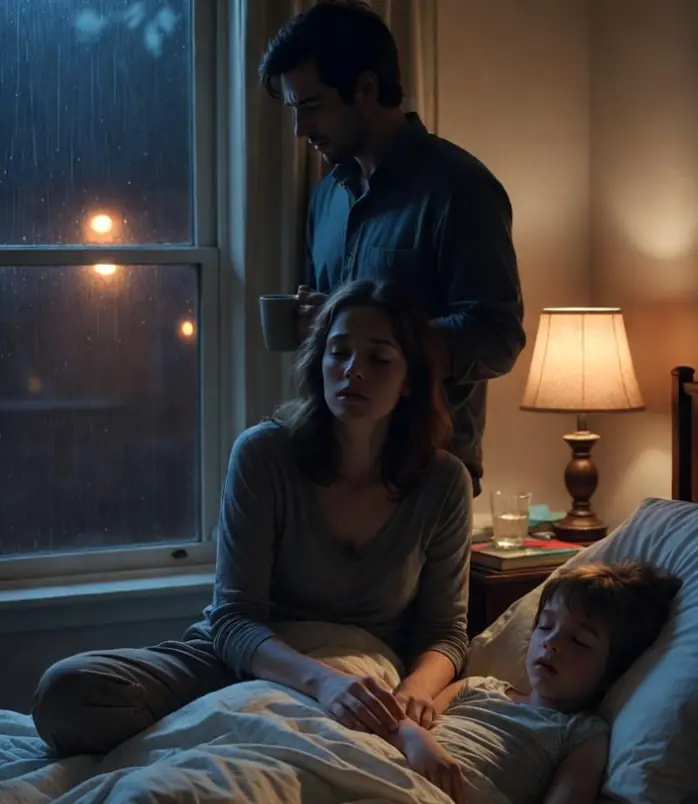
We took turns being strong while trying to save our child together
I paid off my husband’s debt and lost more than just money
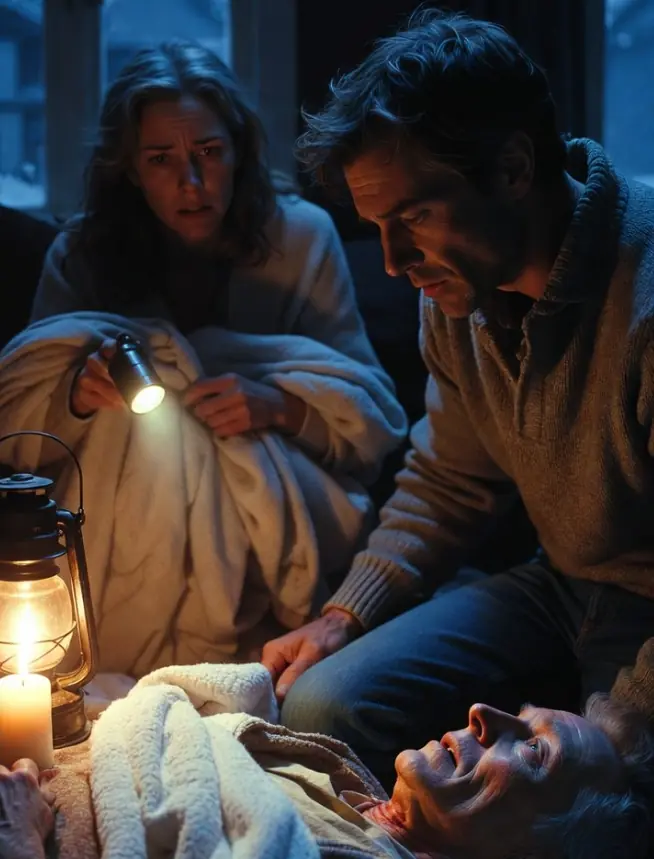
My father-in-law never trusted me until our family faced a crisis together
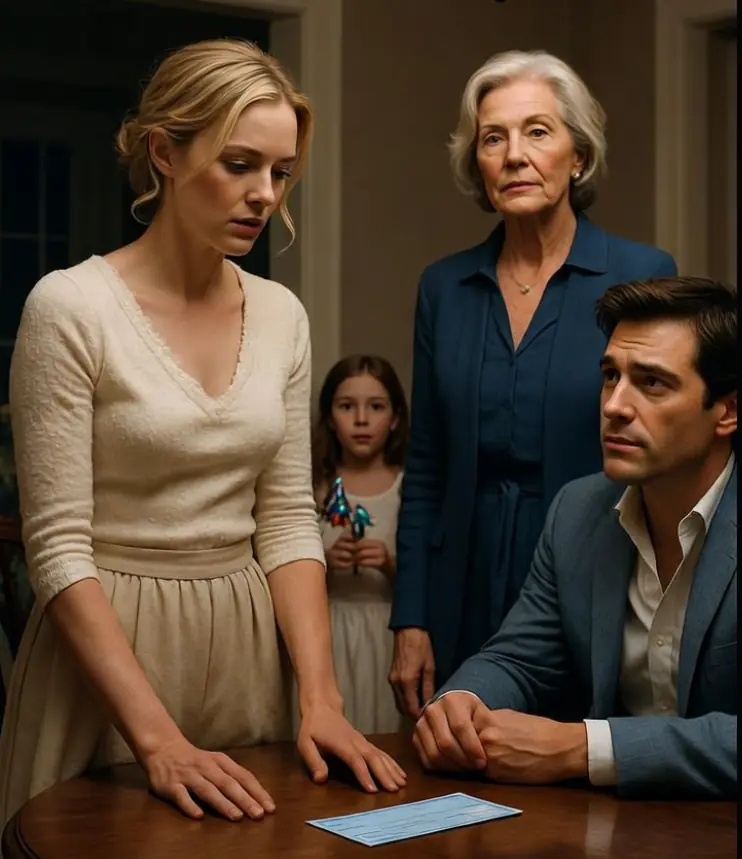
My mother-in-law helped us financially and slowly took control of our marriage
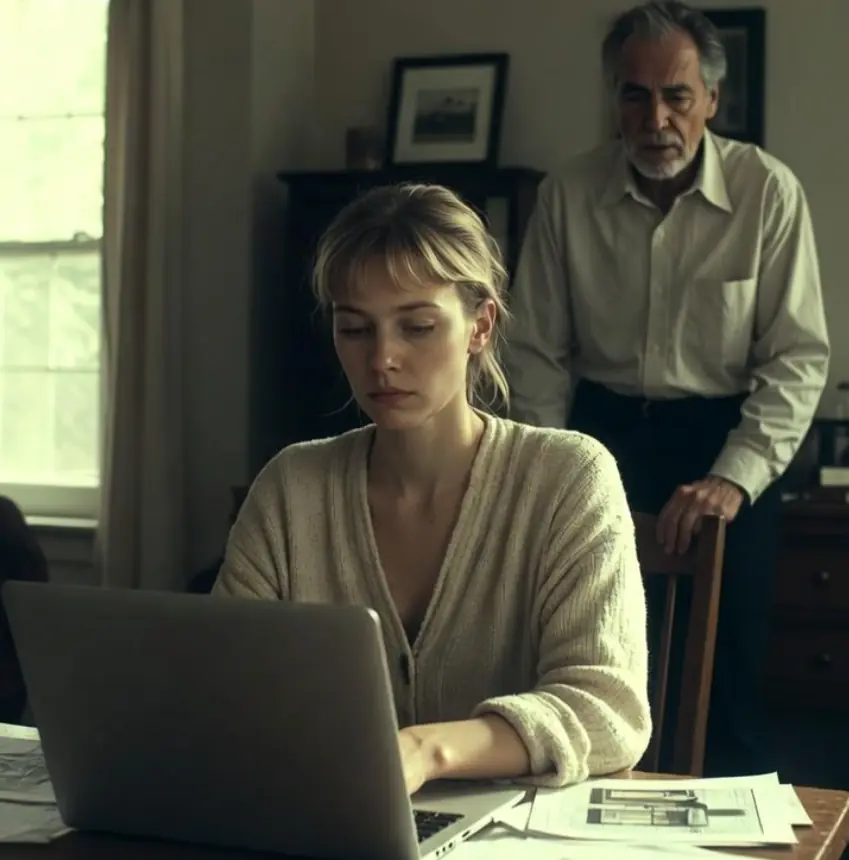
I never felt judged by words, only by the silence of my father-in-law
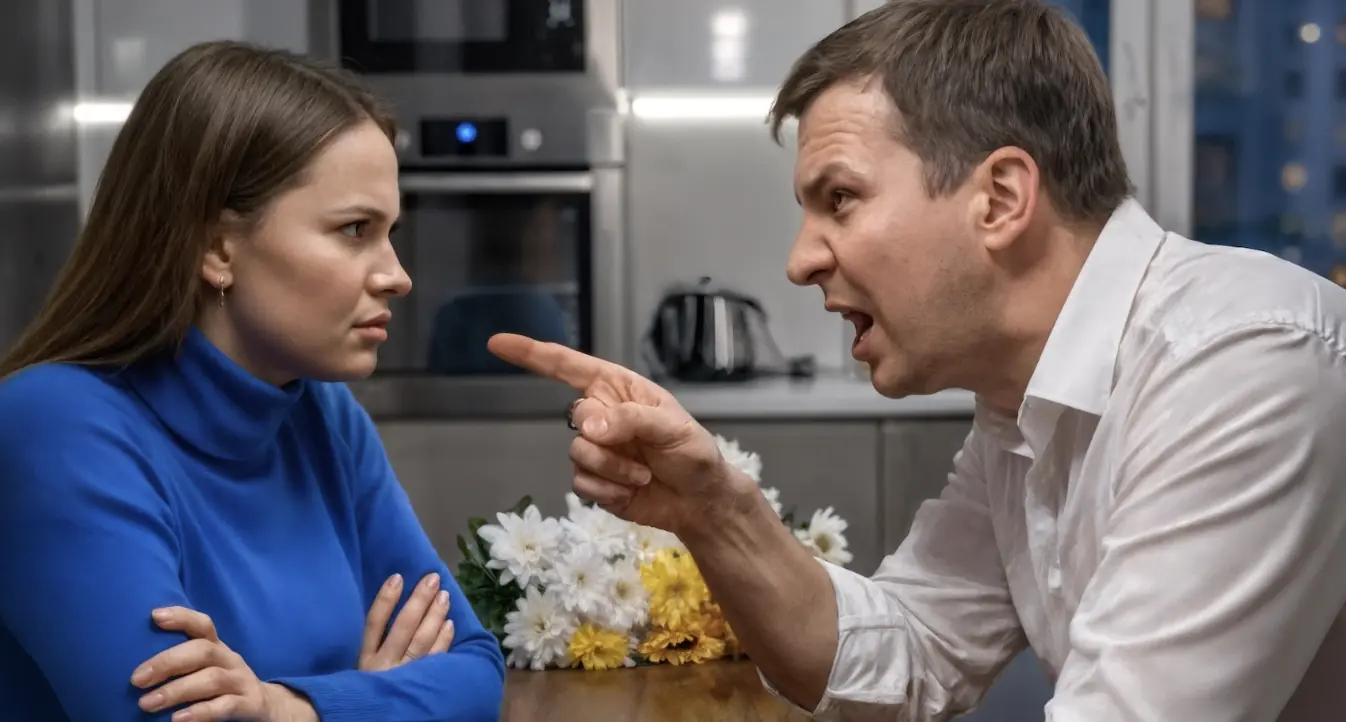
“Who Cares Whose Apartment It Is? I’m the Man — That Means I Run Everything,” the Unemployed Husband Declared
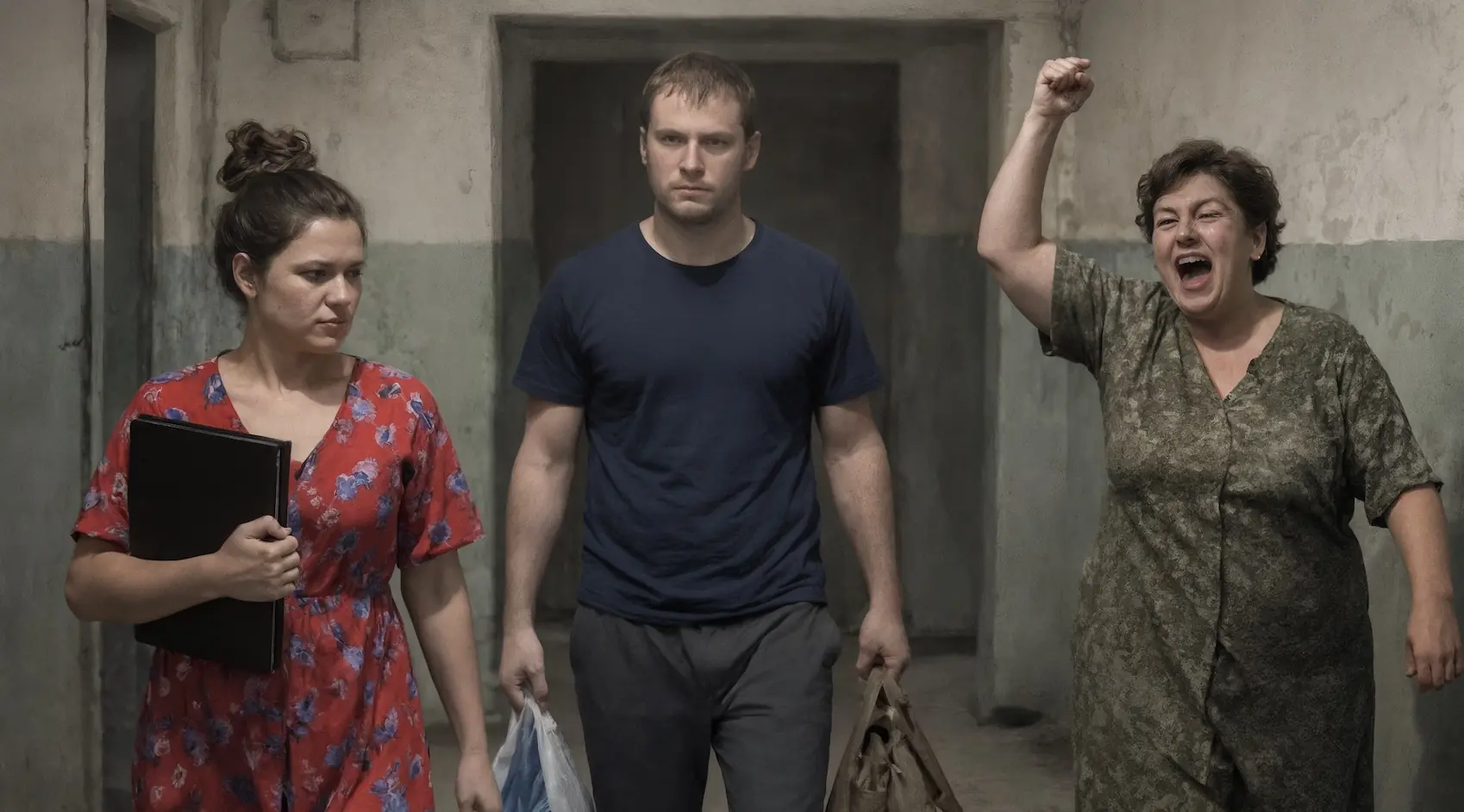
“Now that’s a real man — he squeezed the chicken dry!” the mother-in-law was already celebrating her victory
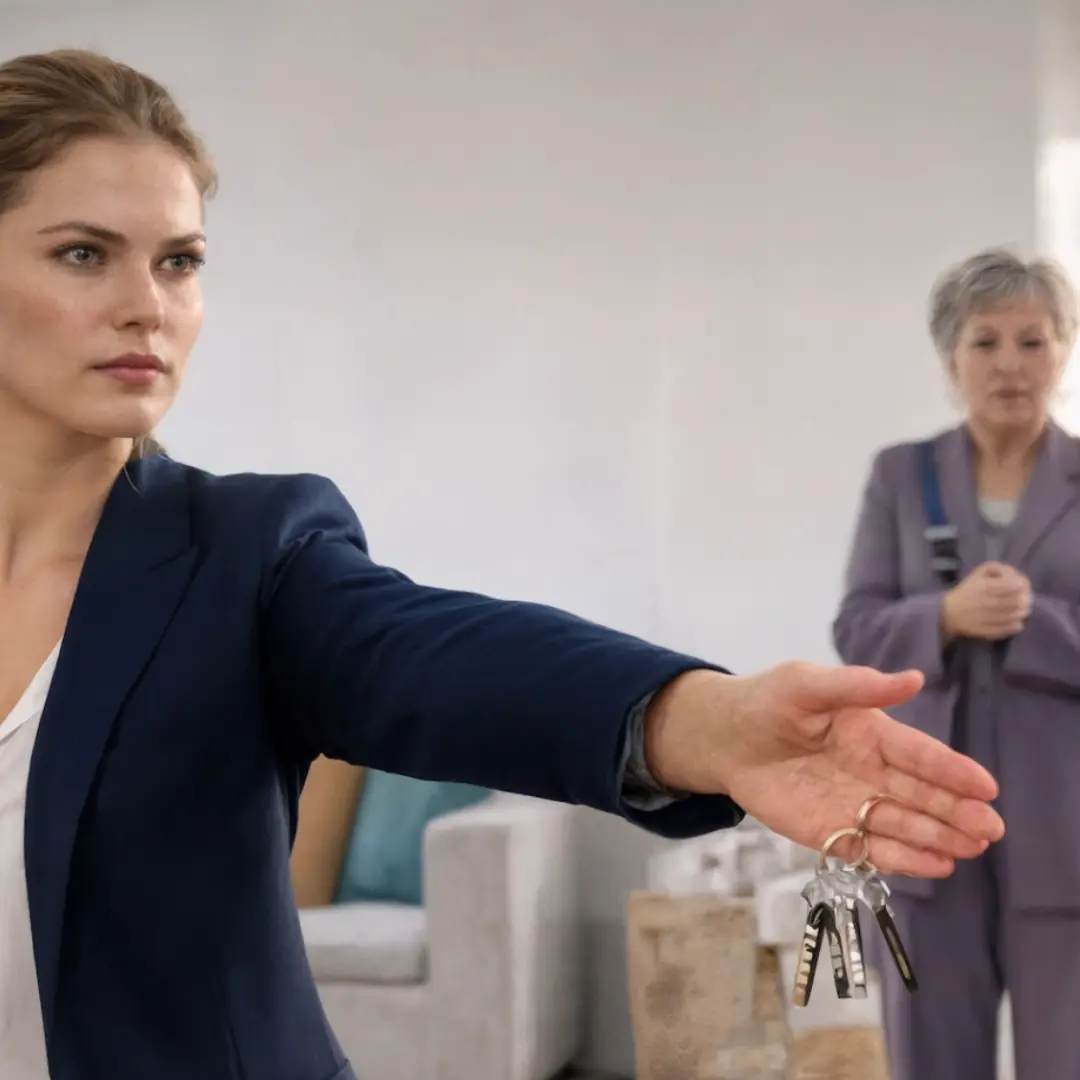
“I’m the one buying the groceries, and this house is“I’m the one buying the groceries, and this house is mine—so pack up and get out.” I cut off my mother-in-law’s little performance mine—so pack up and get out.” I cut off my mother-in-l
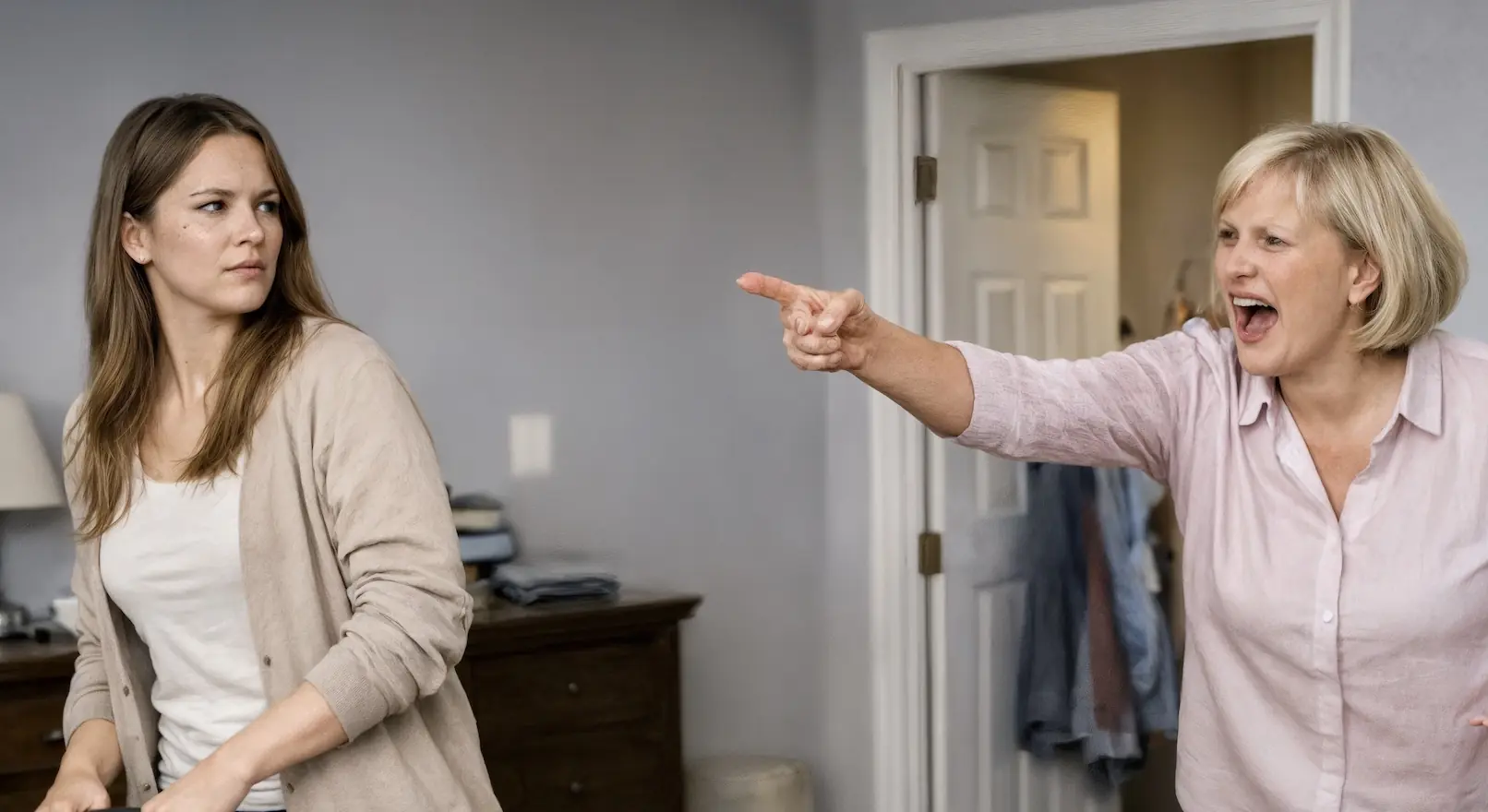
“Stop spending money on yourself—our son needs to save up for a car!” my mother-in-law snapped, eyeing my manicure




My Future Mother-in-Law Came to “Get Acquainted” — and Immediately Tried to Use Me, Demanding a “Small Favor”
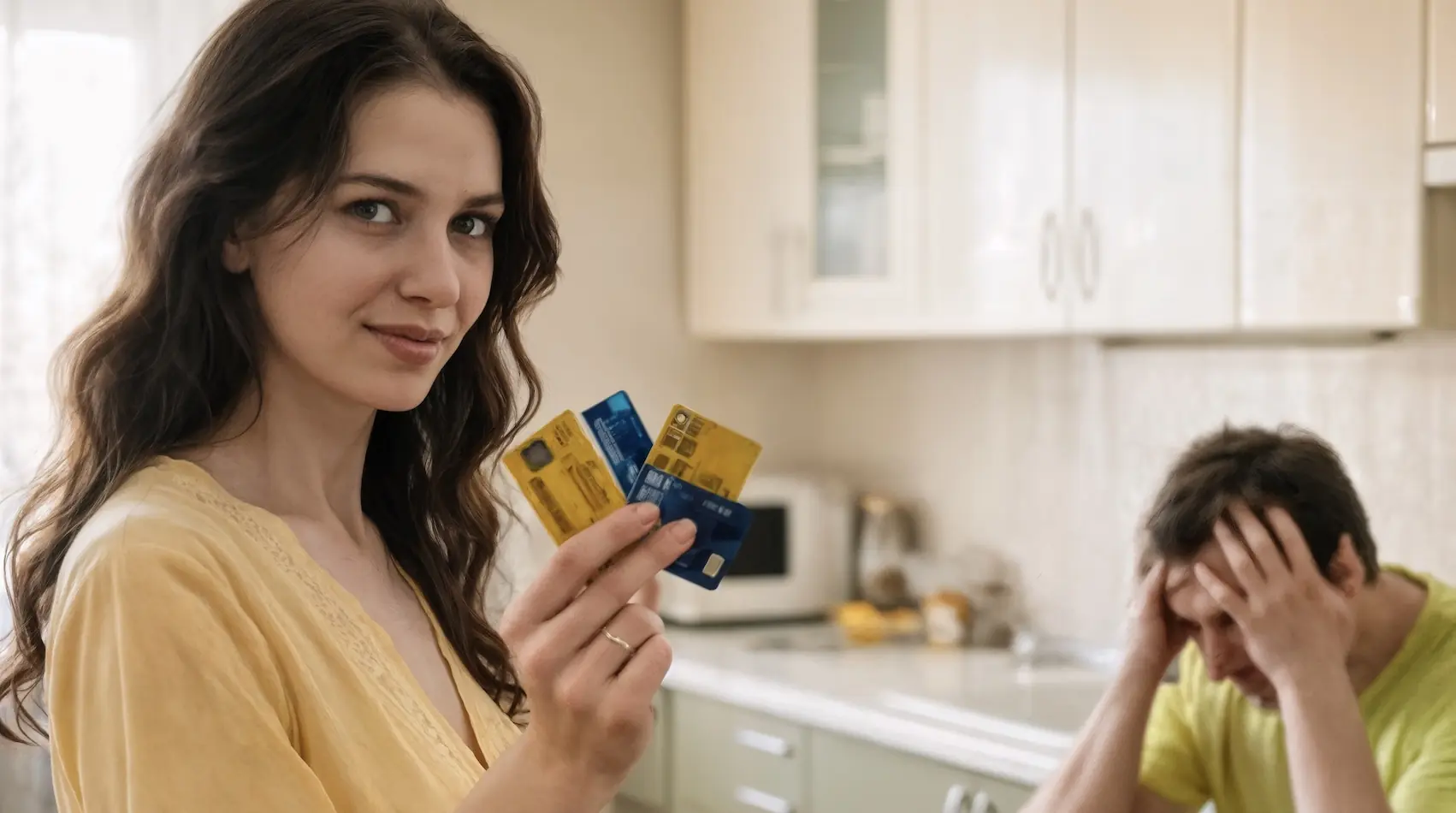
“I blocked your card. I’m the man of this house, so I decide what we buy.” — But I taught my arrogant husband a lesson
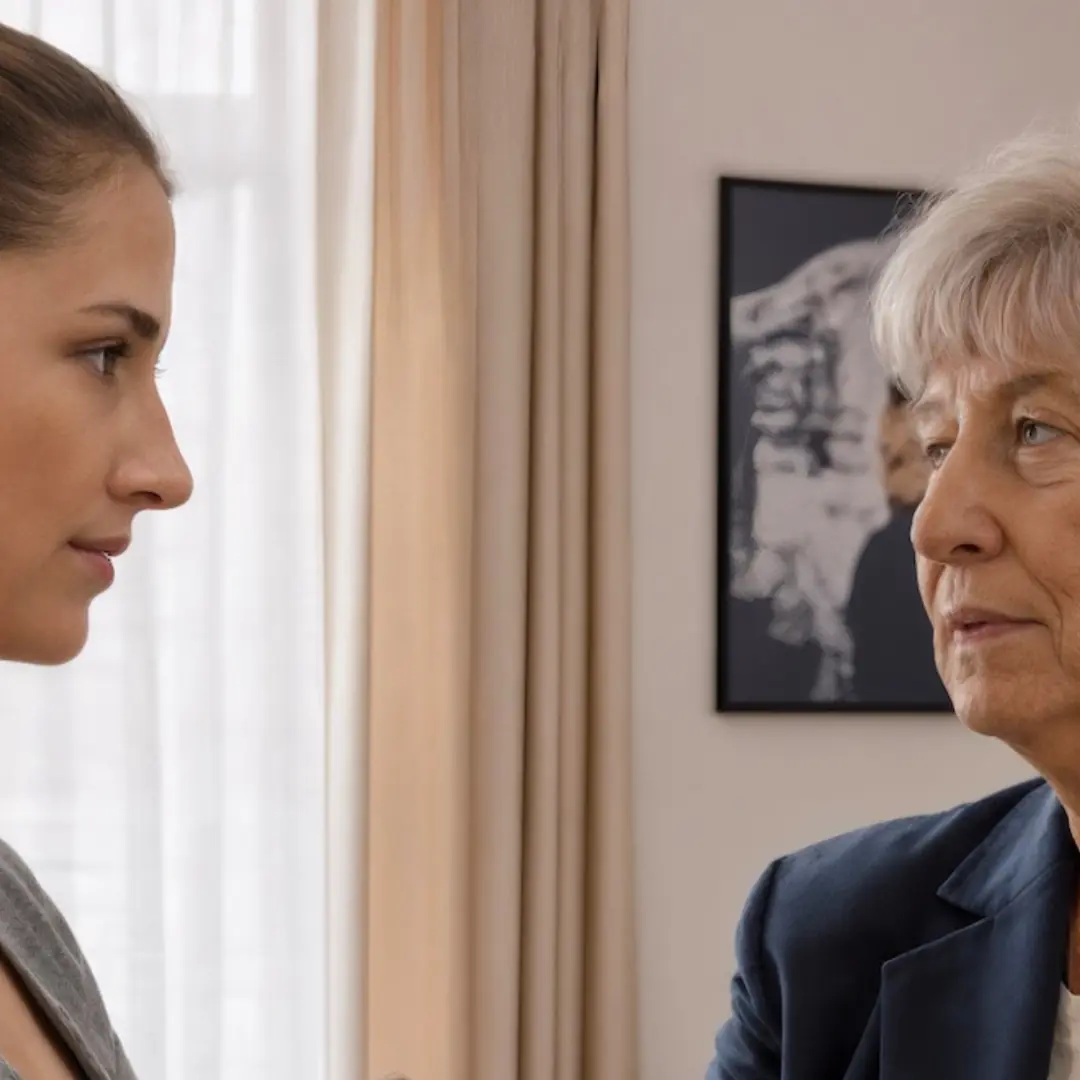
“I’m not going to nurse a person I’ve seen twice in my life,” the daughter-in-law refused to comply with her mother-in-law’s bizarre demand
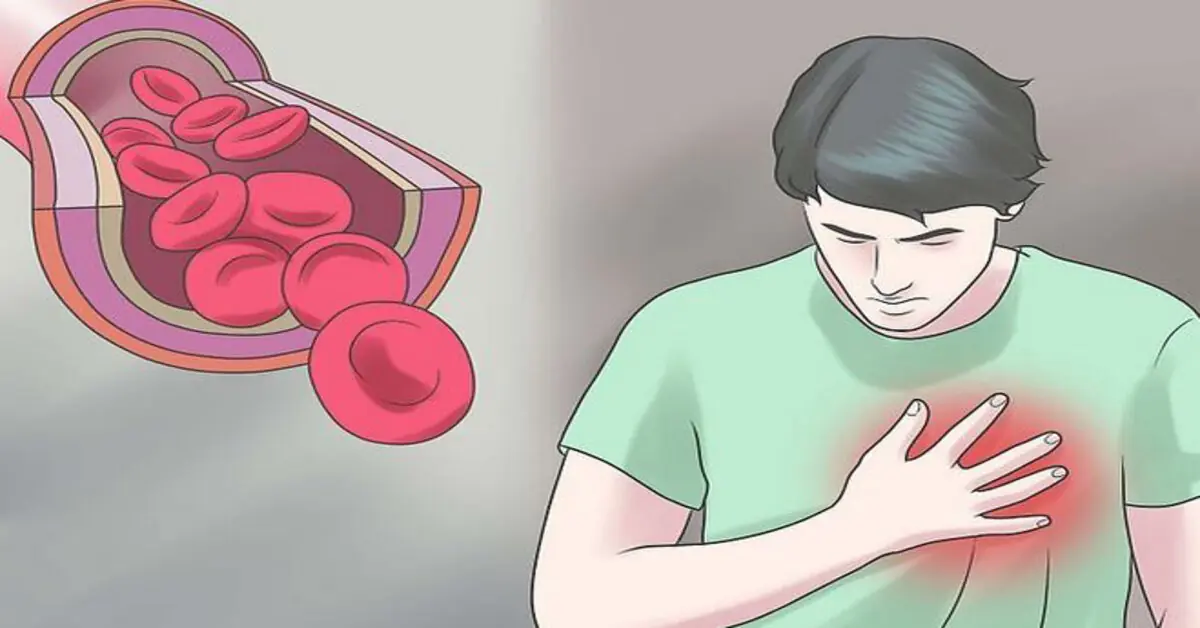
Ages 46–55 Identified as a High-Risk Stage: 10 Warning Signs for Stroke and Premature Death
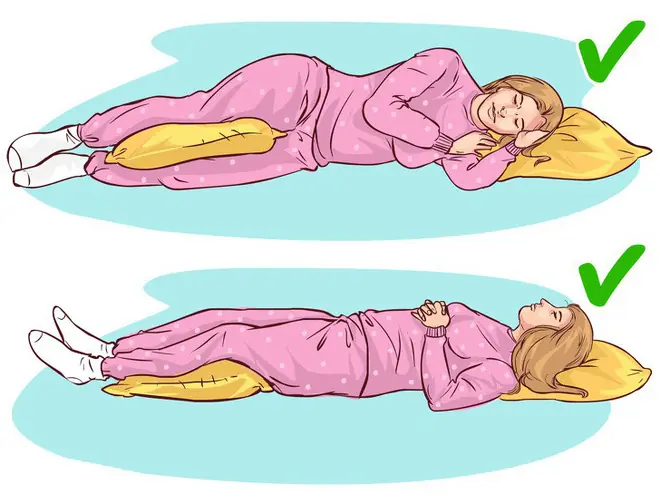
How Sleeping on Your Left Side Affects Your Brain, Stomach, and Glymphatic Health

11 Surprising Facts About Hard-Boiled Eggs


A 52-Year-Old Woman Di.ed from a Stro.ke: Middle-Aged People, Stop Doing These 7 Things—Even in the Cold Winter—Before It’s Too Late!
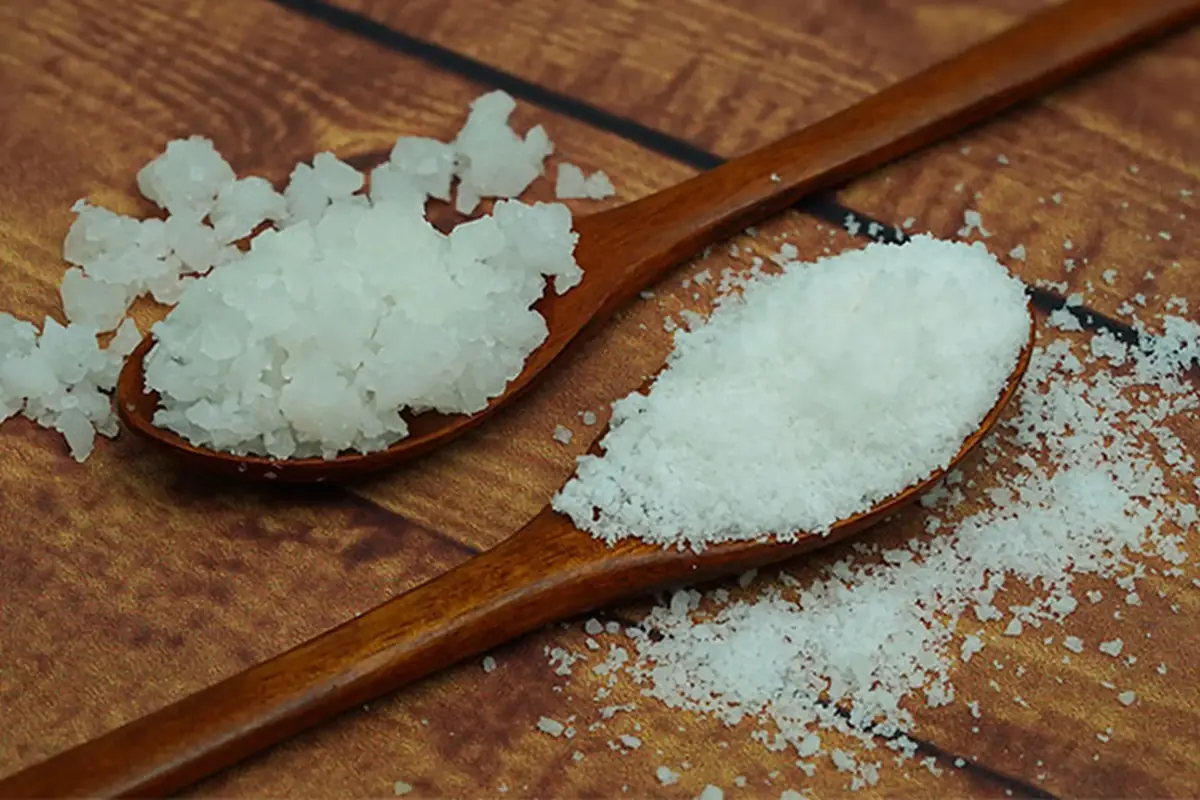
Magnesium is an essential mineral in the human body, playing a critical role in over 300 enzymatic processes.
Magnesium is an essential mineral in the human body, playing a critical role in over 300 enzymatic processes.
Everyone expected us to help, but no one asked if we could handle it

At just 20 years old, Linh Nguyen (name changed), a young and passionate teacher at a local elementary school, passed away from liver cancer — a disease typically associated with older individuals or those with long-term health issues.

6 More Foods You Should Avoid Pairing With Coffee

Known as the World’s Dead.liest Food, It Kil.ls Hundreds Each Year — Would You Still Eat It?
I loved my wife and my parents, but i couldn’t keep everyone happy
I realized i was expected to give more than anyone ever asked out loud
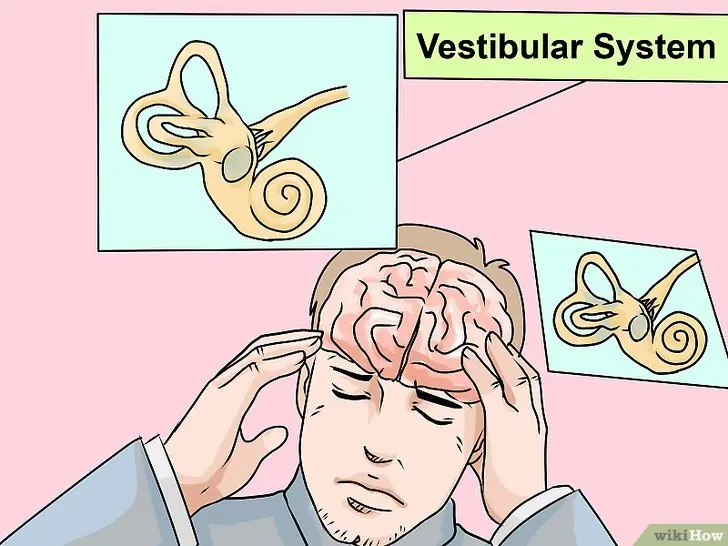
Ringing in Your Ears? Your Body Might Be Trying to Tell You Something

This Simple Lemon and Charcoal Trick Could Save You a Lot of Money
We took turns being strong while trying to save our child together
I paid off my husband’s debt and lost more than just money
My father-in-law never trusted me until our family faced a crisis together

8 Ways Ginger Tea Can Support Your Body Before Sleep