
Everyone expected us to help, but no one asked if we could handle it
Everyone expected us to help, but no one asked if we could handle it
Story 10/02/2026 10:27

The kitchen in my mother-in-law’s house always smelled of cinnamon and floor wax—a scent that used to mean "family" to me, but lately had started to feel like a deadline. It was 3:00 PM on a Saturday, the typical time for the Miller family gathering. I was at the sink, elbow-deep in sudsy water, scrubbing the heavy roasting pan that had held the afternoon's chicken. In the living room, I could hear the rhythmic rise and fall of laughter. My husband, Mark, was debating football stats with his brother, while his mother, Evelyn, recounted stories of their childhood to a circle of attentive cousins.
No one had asked me to do the dishes. No one had told me it was my job to organize the pantry while the coffee brewed, or to make sure the youngest nieces had their shoelaces tied and their plates filled. Yet, as I stood there, my back aching and my hands pruning, I realized that my absence from the living room was not only unnoticed—it was expected.
I had been married to Mark for seven years. In the beginning, I was eager to be the "helpful" daughter-in-law. I wanted to prove I was a team player, the kind of woman who could fold into a family and make it stronger. I brought the best side dishes; I remembered every birthday; I was the one who stayed late to help Evelyn navigate her new tablet or listen to her long, repetitive stories about her late husband.
But somewhere along the way, "helping out" had curdled into a permanent role. I had become the invisible infrastructure of the Miller family.
The drama of my life wasn't found in shouting matches. It was found in the imbalance of the unspoken rules. There was an unspoken rule that if Evelyn needed a ride to the doctor during the work week, I was the one who would "flexible-work" my schedule to make it happen, while Mark and his brother remained at their desks, their time considered too valuable to interrupt. There was an unspoken rule that when the family went on vacation, I was the one who researched the rentals, packed the communal coolers, and managed the group chat.
Mark wasn't a bad man. He was kind, he was loving, and he often told me he appreciated me. But he had grown up in a house where the women were the shock absorbers. He didn't see the work I did because, to him, it was like the air—it was just there, keeping everyone alive, and therefore not worth mentioning.
"You're so good at this, Sarah," Evelyn would say with a pat on my cheek as I handed her a perfectly timed cup of tea. "I don't know what we'd do without you."
It sounded like a compliment. But as the years passed, it began to sound like a warning. It meant: Don't stop. We have built our comfort on your fatigue.
The fatigue was a slow-growing thing. It wasn't just the physical labor of hosting and cleaning; it was the emotional labor of being everyone’s sounding board while having no one to listen to mine. I was the one who smoothed over the tension between Mark and his brother. I was the one who reminded Mark to call his mother when she was feeling lonely. I was carrying the emotional weight of three households, and I was doing it without a title or a "thank you" that felt like it truly saw the cost.
The internal conflict grew during a weekend trip to a lake house last July. I spent the entire Saturday morning prepping a taco bar for twelve people. I looked out the window and saw Mark and his brother out on the boat, their faces bright with sun and freedom. Evelyn was on the porch reading, her feet up.
I looked at the bowls of chopped onions, the mountains of shredded cheese, and the stack of napkins. I realized that if I stopped, the weekend would stumble. If I sat down on that porch, the tacos wouldn't happen, the boat wouldn't have snacks, and the "joyful family memory" would have a gaping hole in it.
I felt a sudden, sharp resentment that made my breath catch. I wasn't a member of the family; I was the staff. I was the one who provided the backdrop so they could be the stars. And the most painful part was that I had taught them to treat me this way by never saying no.
The self-recognition came with the quiet force of a low tide. I realized that by giving so much without being asked, I had created a standard that was slowly breaking me. I was participating in my own erasure. I was waiting for someone to notice I was tired, but why would they notice a machine that never stopped running?
The turning point happened today, right there at the sink with the roasting pan.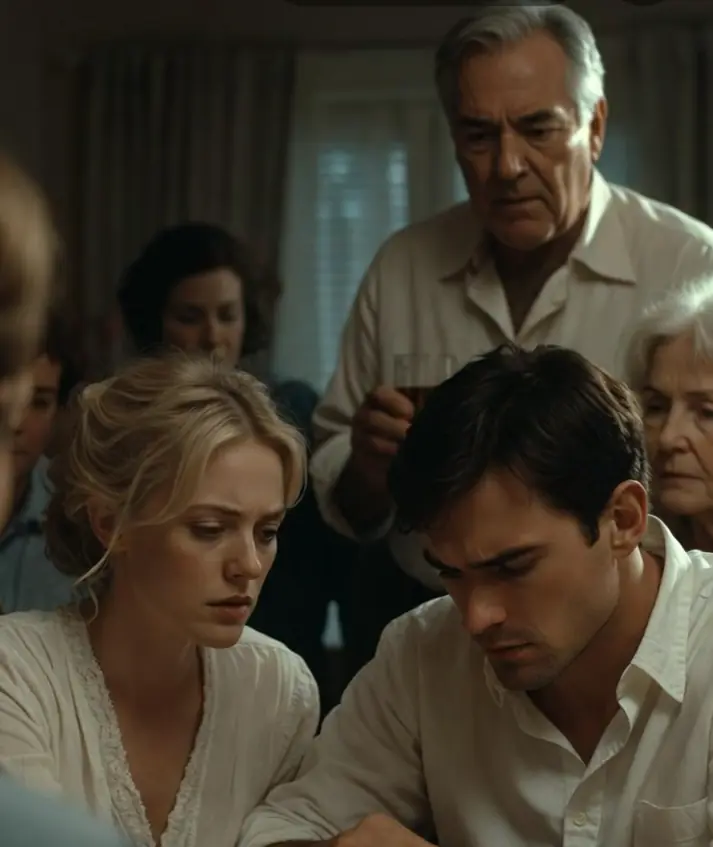
Evelyn walked into the kitchen, her empty tea cup in hand. She set it on the counter, inches away from my soapy hands. "Sarah, dear, when you’re done with that, could you look at the printer in the den? It’s acting up again, and Mark wants to print those photos."
I looked at the cup. I looked at the grease on my hands. I looked at Evelyn, who was already turning to head back to the laughter in the other room.
"I can't do that right now, Evelyn," I said. My voice was calm, but it had a weight to it that I hadn't used in years.
She stopped and turned back, a look of genuine confusion on her face. "Oh? Is it broken?"
"No," I said, drying my hands on a towel and turning to face her. "I’m tired. I’ve finished the dishes, and now I’m going to go sit on the porch for a while. Mark knows how to fix the printer. You should ask him."
The silence in the kitchen was profound. It wasn't a hostile silence, but it was an uncomfortable one—the sound of an unspoken rule being broken in real-time. Evelyn blinked, her mouth opening and closing. She looked at the cup, then at me, as if seeing me for the first time in a decade.
"Oh," she said finally. "Well. I suppose I can ask him."
I didn't wait for her to move. I walked past her, through the living room where the football game was still blaring, and straight out to the porch. Mark looked up as I passed him.
"Hey, where are you going?" he asked. "Are the snacks ready?"
"I’m not sure, Mark," I said, not stopping. "I’m off the clock. If you’re hungry, the kitchen is right there."
I sat down in the Adirondack chair and looked out at the trees. My heart was thudding, a mix of adrenaline and a strange, heady sense of relief. I felt the weight of seven years of "giving" begin to lift. I wasn't being mean; I was being honest. I was setting an emotional boundary that should have been there from the start.
I realized that the "more" I was expected to give was a debt I didn't actually owe. My value to this family was not based on my utility. If I wasn't a person worth sitting with on the porch, then I wasn't a person worth scrubbing pans for in the kitchen.
Mark came out a few minutes later. He looked a bit sheepish, holding two glasses of iced tea. He handed one to me and sat in the chair next to mine.
"Mom said the printer is jammed," he said quietly. "And she said you told her to ask me."
"I did," I said, taking a sip of the tea. "Because you're capable of fixing it, and I wanted to sit down."
He was quiet for a long time, watching the squirrels in the yard. "I didn't realize you were so tired, Sarah. You always just... have it handled."
"I know," I said. "But 'having it handled' has a price. And I’m not willing to pay it by myself anymore. I love this family, Mark. But I need to be in the family, not just working for it."
He nodded, a slow, thoughtful movement. "Okay. I get it. I’m sorry I haven't been seeing it."
It wasn't a perfect resolution. There are still years of habits to unlearn, and I know Evelyn will probably be "confused" for a while when I don't jump to help with every small task. But as I sat there in the late afternoon sun, I felt a sense of self-recognition that was more valuable than any "thank you."
I am learning to say no to the expectations that were never voiced, because those are the ones that carry the most weight. I am reclaiming my time, my energy, and my place at the table—not as the one serving the meal, but as the one enjoying it. The cinnamon and wax smell differently now; they just smell like a house. And for the first time in a very long time, I feel like I’m finally home.
Everyone expected us to help, but no one asked if we could handle it

Money was never our problem until it became everything

I loved my wife and my parents, but i couldn’t keep everyone happy
We took turns being strong while trying to save our child together

I paid off my husband’s debt and lost more than just money
My father-in-law never trusted me until our family faced a crisis together
My mother-in-law helped us financially and slowly took control of our marriage
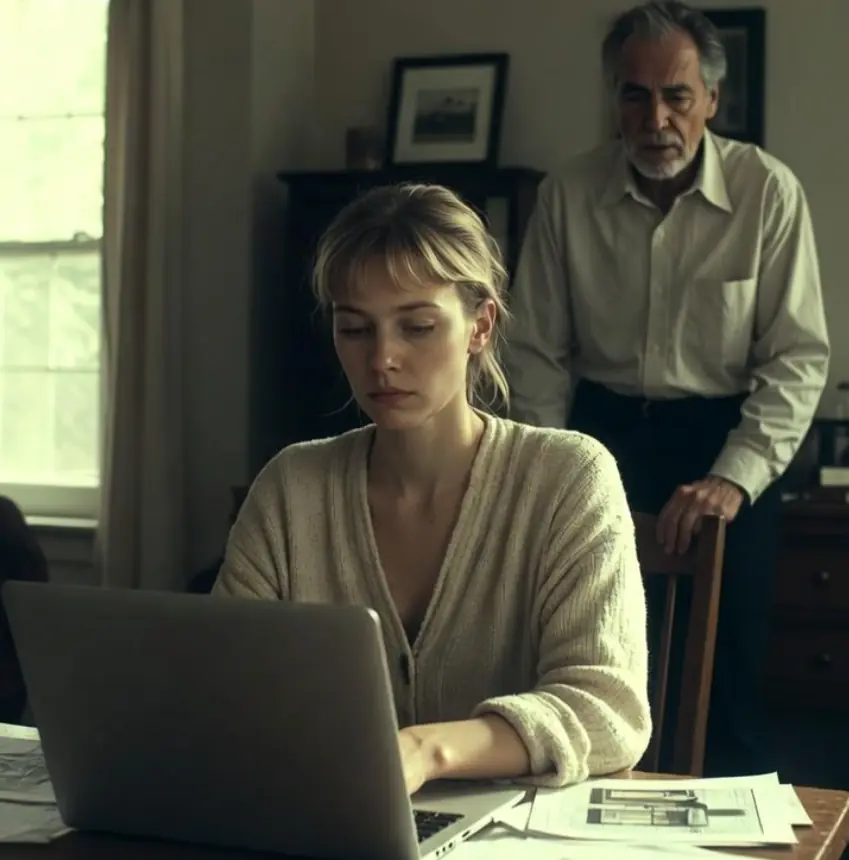
I never felt judged by words, only by the silence of my father-in-law
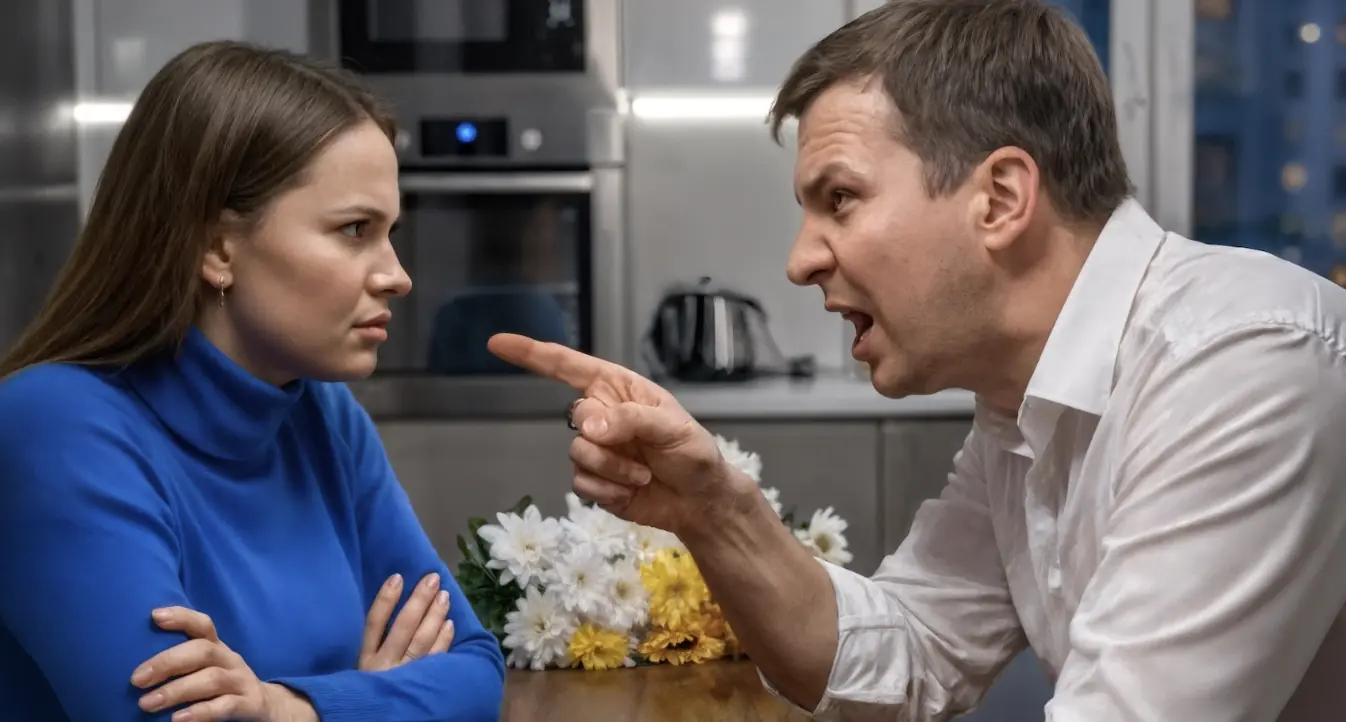
“Who Cares Whose Apartment It Is? I’m the Man — That Means I Run Everything,” the Unemployed Husband Declared
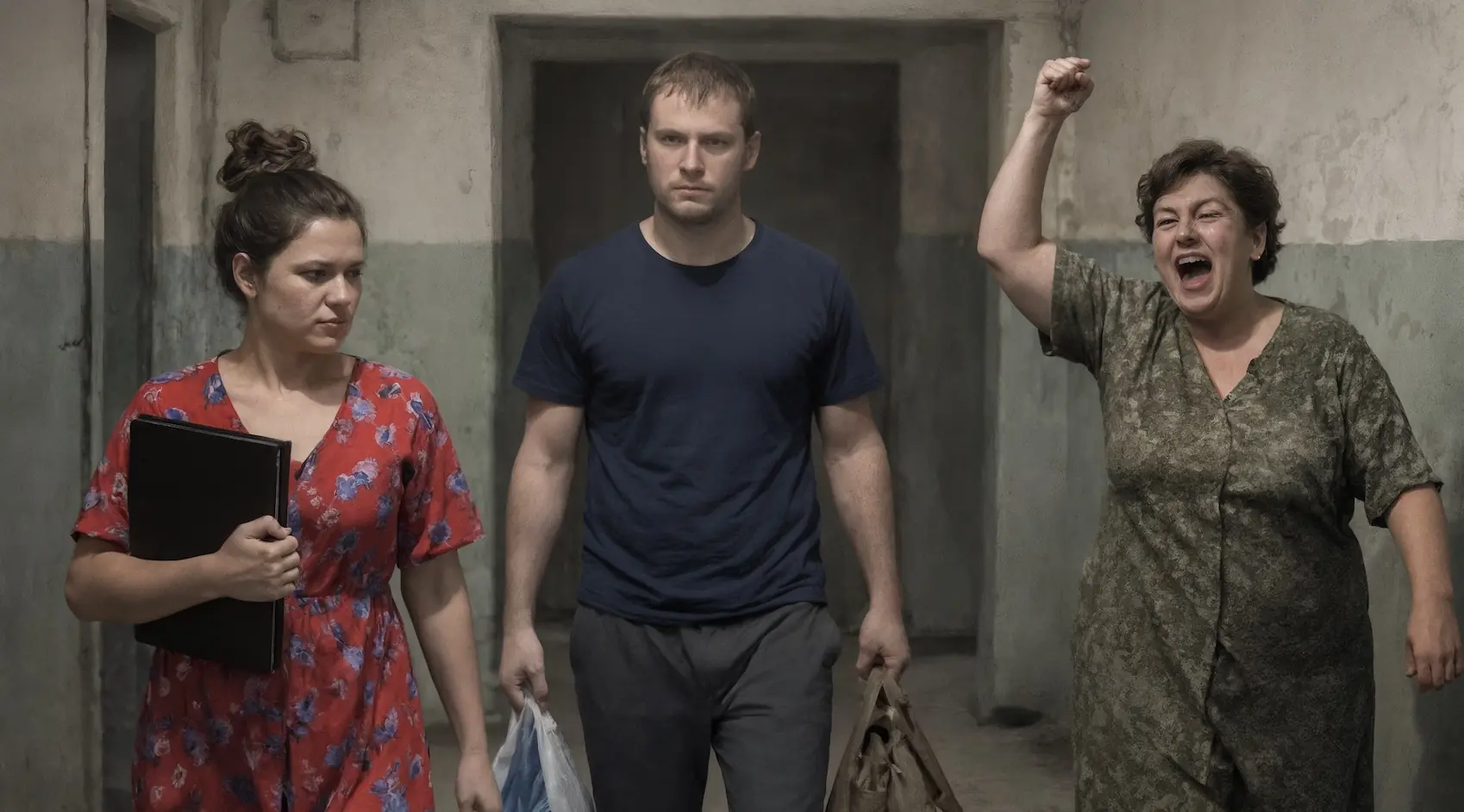
“Now that’s a real man — he squeezed the chicken dry!” the mother-in-law was already celebrating her victory
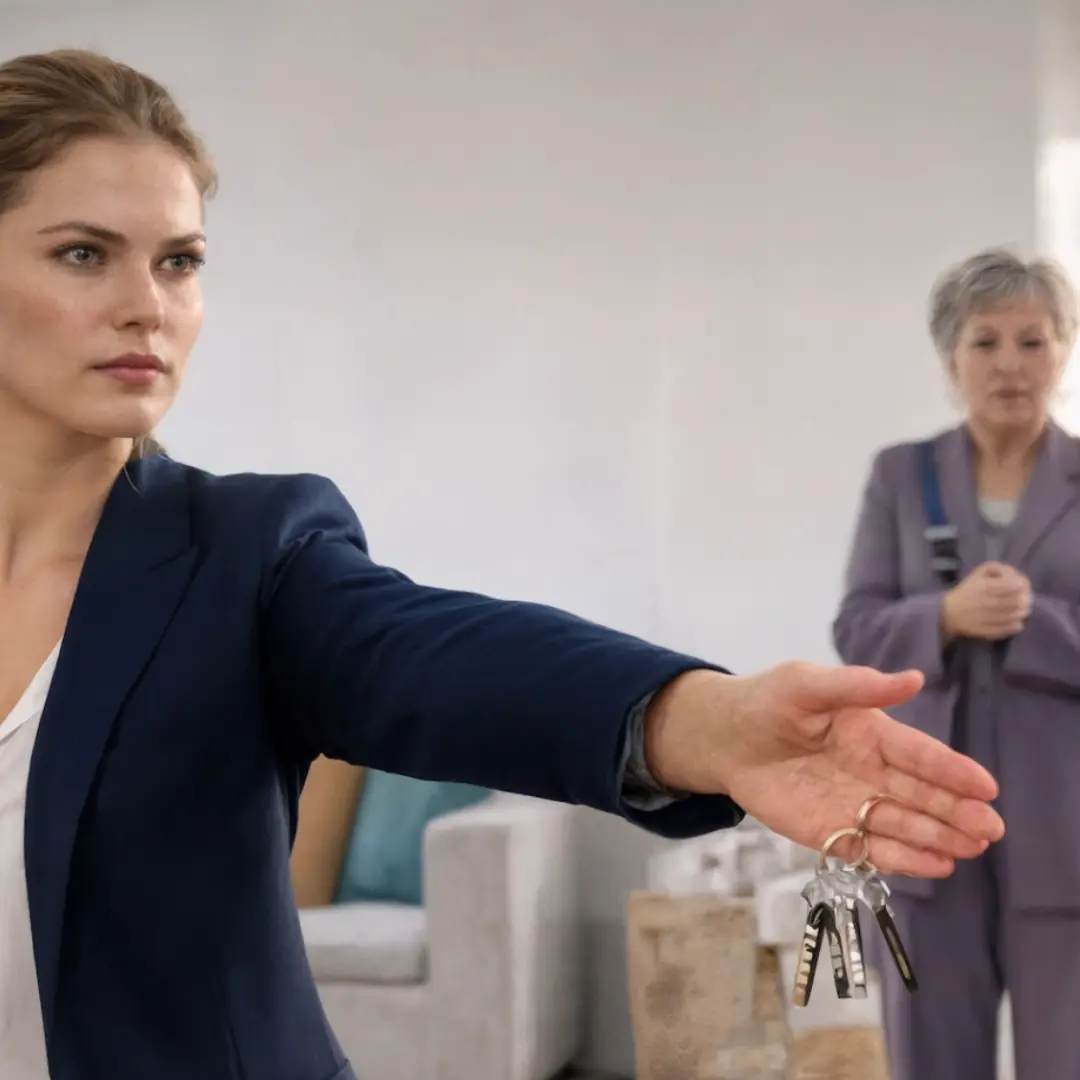
“I’m the one buying the groceries, and this house is“I’m the one buying the groceries, and this house is mine—so pack up and get out.” I cut off my mother-in-law’s little performance mine—so pack up and get out.” I cut off my mother-in-l
“Stop spending money on yourself—our son needs to save up for a car!” my mother-in-law snapped, eyeing my manicure



My Future Mother-in-Law Came to “Get Acquainted” — and Immediately Tried to Use Me, Demanding a “Small Favor”
“I blocked your card. I’m the man of this house, so I decide what we buy.” — But I taught my arrogant husband a lesson
“I’m not going to nurse a person I’ve seen twice in my life,” the daughter-in-law refused to comply with her mother-in-law’s bizarre demand

How Sleeping on Your Left Side Affects Your Brain, Stomach, and Glymphatic Health

11 Surprising Facts About Hard-Boiled Eggs


A 52-Year-Old Woman Di.ed from a Stro.ke: Middle-Aged People, Stop Doing These 7 Things—Even in the Cold Winter—Before It’s Too Late!
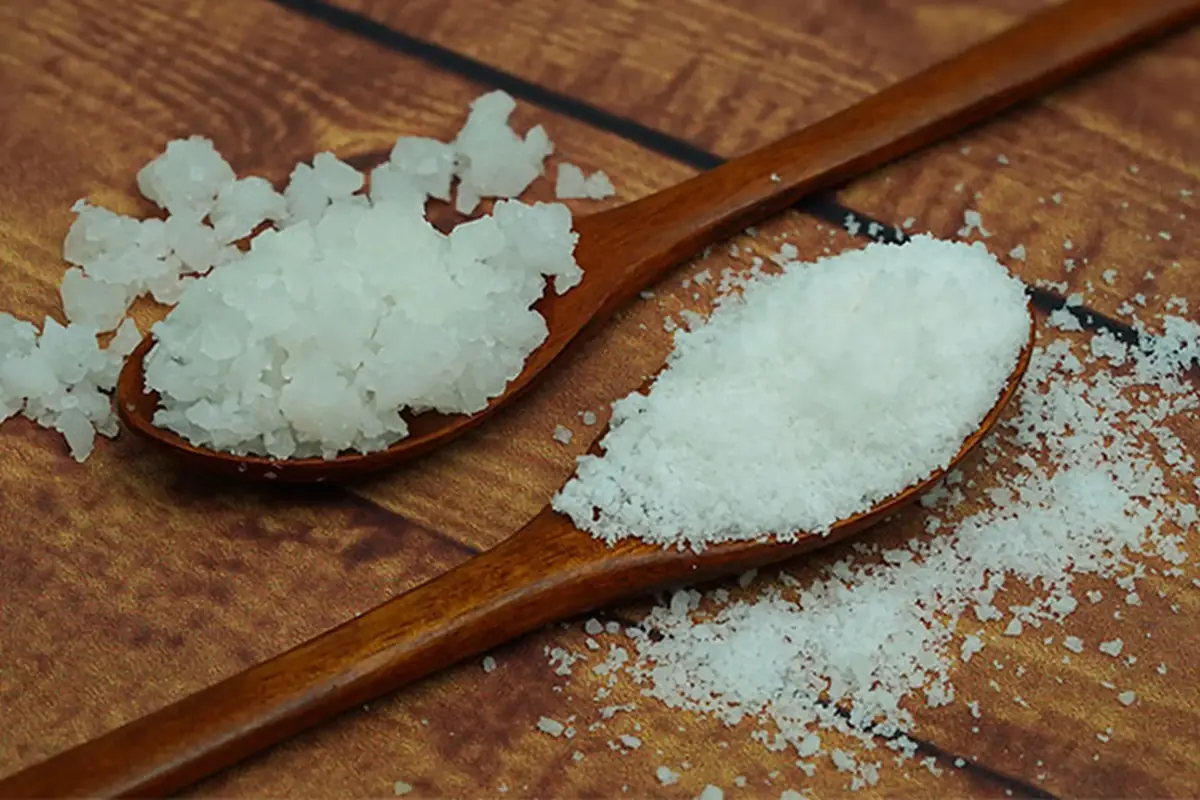
Magnesium is an essential mineral in the human body, playing a critical role in over 300 enzymatic processes.
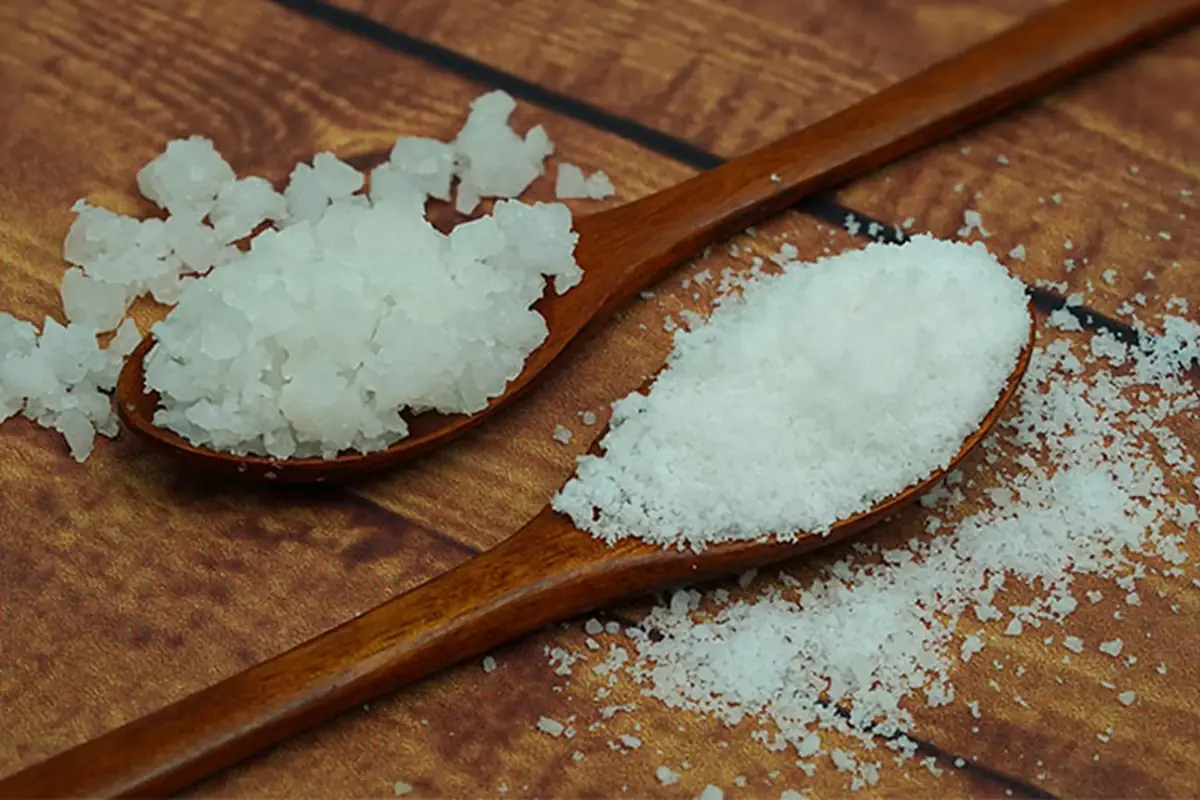
Magnesium is an essential mineral in the human body, playing a critical role in over 300 enzymatic processes.
Everyone expected us to help, but no one asked if we could handle it

At just 20 years old, Linh Nguyen (name changed), a young and passionate teacher at a local elementary school, passed away from liver cancer — a disease typically associated with older individuals or those with long-term health issues.
Money was never our problem until it became everything

6 More Foods You Should Avoid Pairing With Coffee

Known as the World’s Dead.liest Food, It Kil.ls Hundreds Each Year — Would You Still Eat It?
I loved my wife and my parents, but i couldn’t keep everyone happy
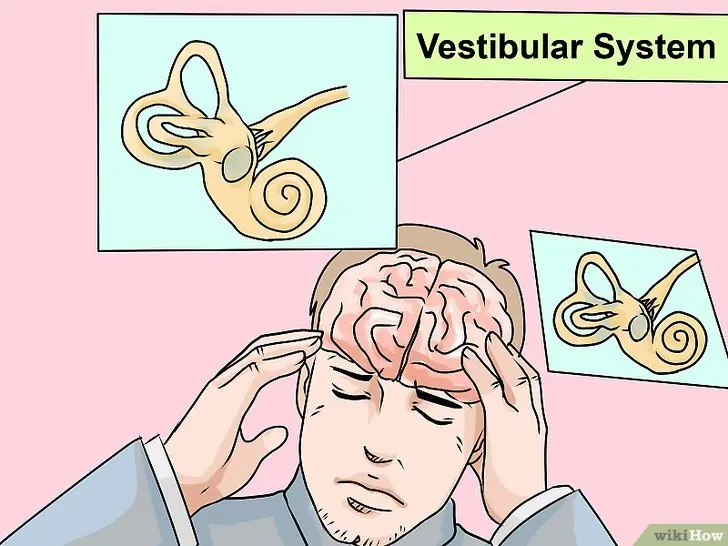
Ringing in Your Ears? Your Body Might Be Trying to Tell You Something

This Simple Lemon and Charcoal Trick Could Save You a Lot of Money
We took turns being strong while trying to save our child together
I paid off my husband’s debt and lost more than just money
My father-in-law never trusted me until our family faced a crisis together

8 Ways Ginger Tea Can Support Your Body Before Sleep
My mother-in-law helped us financially and slowly took control of our marriage