
Everyone expected us to help, but no one asked if we could handle it
Everyone expected us to help, but no one asked if we could handle it
Story 10/02/2026 10:27
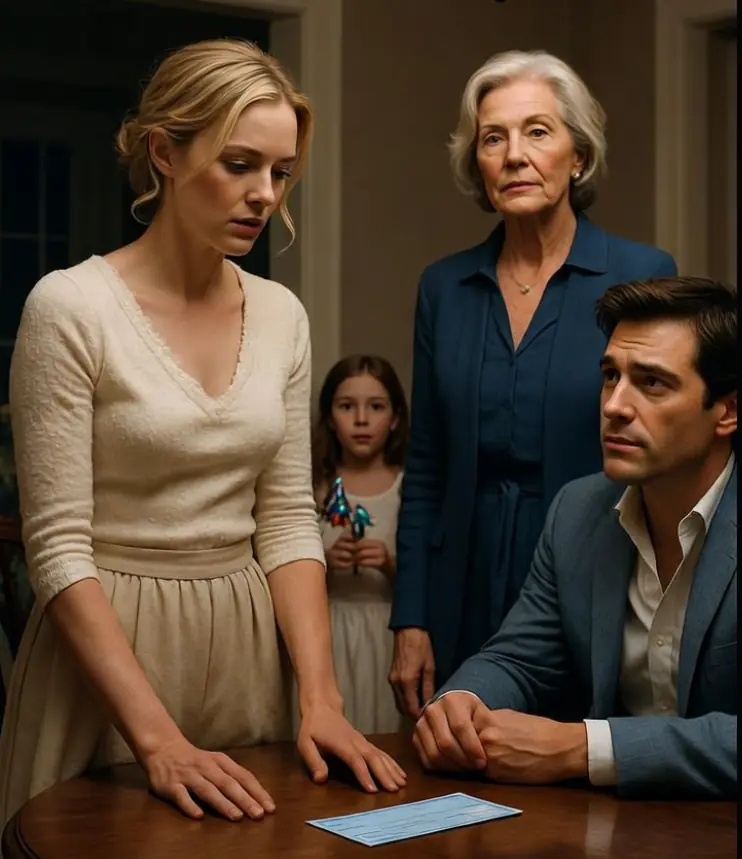
The check sat on our mahogany dining table, its pale blue surface looking innocent enough under the soft glow of the chandelier. My mother-in-law, Lydia, had signed it with her characteristic flourish—large, looping letters that seemed to take up more space than necessary. To my husband, Julian, it was a lifeline. To me, in that quiet moment before the ink was even dry, it felt like a contract I hadn't quite finished reading.
We were in a difficult season. A failed business venture had drained our savings, and the walls of our suburban home in Connecticut felt like they were closing in. When Lydia offered to cover our mortgage for a year and pay for our daughter’s private school tuition, she did it with such grace, such maternal warmth, that refusing felt not just foolish, but ungrateful.
"Family takes care of family," she had said, patting my hand. "I don't want a single thing in return, Elena. I just want you two to breathe again."
I wanted to believe her. I needed to believe her. But I soon learned that in the architecture of family dynamics, a gift of that size is rarely just a gift; it is a structural change.
The shift was subtle at first. It began with the house. Since Lydia was "protecting the investment," she felt it was only natural to offer her input on the renovations we were planning. A suggestion about the kitchen tile turned into a firm opinion on the color of the living room walls. When I mentioned I preferred a muted sage, Lydia would sigh—a soft, disappointed sound that echoed with the weight of the mortgage she was paying.
"Of course, it's your home, dear," she would say. "I just thought a classic cream would be better for the resale value. But do what makes you happy."
Inevitably, we chose the cream. The "obligation" was a silent passenger in every room. I felt a nagging guilt every time I wanted to disagree with her. How do you tell the woman who is keeping a roof over your head that you don't want her choosing your curtains? The power imbalance was a physical presence, a tilt in the floor that always rolled the decision-making power toward her.
The influence soon bled into our parenting. Our seven-year-old daughter, Sophie, became the primary canvas for Lydia’s "support." Because she paid the tuition, Lydia felt entitled to a seat at the table for every educational decision. She would show up unannounced for school plays, not as a guest, but as a patron. She began to override our rules on screen time and diet, dismissing my concerns with a playful wave of her hand.
"Oh, Elena, a little extra sugar won't hurt her," Lydia would chuckle when I caught her giving Sophie candy before dinner. "I’ve raised successful children, haven't I? I think I know a thing or two about what a growing girl needs."
When I looked to Julian for support, I saw a man who was paralyzed by his own gratitude. He was so relieved to be out from under the crushing weight of debt that he was willing to overlook the slow erosion of our boundaries. He viewed his mother’s interference as "enthusiasm" and my discomfort as "sensitivity."
"She’s helping us, El," he would whisper late at night. "We owe her everything right now. Can’t we just pick our battles?"
But the battles were becoming the very fabric of our marriage. We stopped being a team of two and became a committee of three. Every decision we made—where to go on vacation, what car to buy, how to spend our weekends—was filtered through the lens of Lydia’s potential reaction. We were performing a version of our lives that would keep the checks coming and the peace intact.
I felt my self-image shifting. I had always been an independent, decisive woman. Now, I felt small. I felt like a guest in my own marriage, a secondary character in a story written by my mother-in-law. The resentment was a slow-acting poison, flavoring every interaction I had with her. I would find myself being overly polite, my voice tight and artificial, while inside, I was screaming for space.
The drama didn't come from shouting matches; it came from the silence. It was the silence in the car after a dinner where Lydia had dominated the conversation. It was the way Julian would look at his phone when his mother called, his shoulders tensing as he prepared to be "advised." We were losing our intimacy because we were no longer the primary authorities in our own lives. We were like teenagers living in an adult’s world, perpetually seeking a nod of approval.
The turning point came on Sophie’s eighth birthday. We had planned a small, low-key party at a local park—something Sophie had specifically asked for. But Lydia arrived with a professional caterer, a mountain of expensive decorations, and a guest list of her own friends that she "just couldn't leave out."
I stood in the middle of the chaotic, over-the-top celebration and watched my daughter. Sophie looked overwhelmed, lost in a party that was no longer about her, but about her grandmother’s generosity. I looked at Julian, who was busy thanking his mother for the "wonderful surprise," and I realized that we had traded our agency for security.
In that moment, the true price of the "help" became clear. It wasn't measured in dollars; it was measured in the loss of our family’s identity. Lydia hadn't just helped us pay our bills; she had purchased a controlling interest in our future. She had used her resources to buy a seat at the center of our lives, and we had let her, one blue check at a time.
That evening, after the guests had left and the expensive streamers were being tucked into trash bags, I sat with Julian on the porch. The air was cool, and for the first time in months, I felt a sense of absolute clarity.
"We have to stop, Julian," I said. My voice wasn't angry; it was just tired.
"Stop what?" he asked, looking confused. "It was a great party, El. Mom really went all out."
"That’s the problem," I replied. "She went all out on her vision, not ours. We are losing ourselves. I would rather live in a one-bedroom apartment and eat cereal for dinner than spend another year being 'helped' into obsolescence. I want my husband back. I want my daughter back. And I want to be the one who decides what color my life is going to be."
Julian was quiet for a long time. He looked out at the dark trees, his face a map of conflicting loyalties. But then, he reached over and took my hand. "You're right," he whispered. "I’ve been so afraid of being broke that I didn't see we were becoming poor in a different way."
We haven't fully untangled ourselves yet. It is a slow, difficult process of reclaiming our boundaries and paying back a debt that was never meant to be financial. I realized that true generosity doesn't ask for a seat at the table; it provides the table so that others can sit together. Lydia’s help was a gift, but the emotional cost was my own voice. And as I look at that pale blue checkbook one last time, I know that the most valuable thing I own is the right to make my own mistakes, in my own house, with the man I chose—not the one who was bought for me.
Everyone expected us to help, but no one asked if we could handle it

Money was never our problem until it became everything

I loved my wife and my parents, but i couldn’t keep everyone happy

I realized i was expected to give more than anyone ever asked out loud
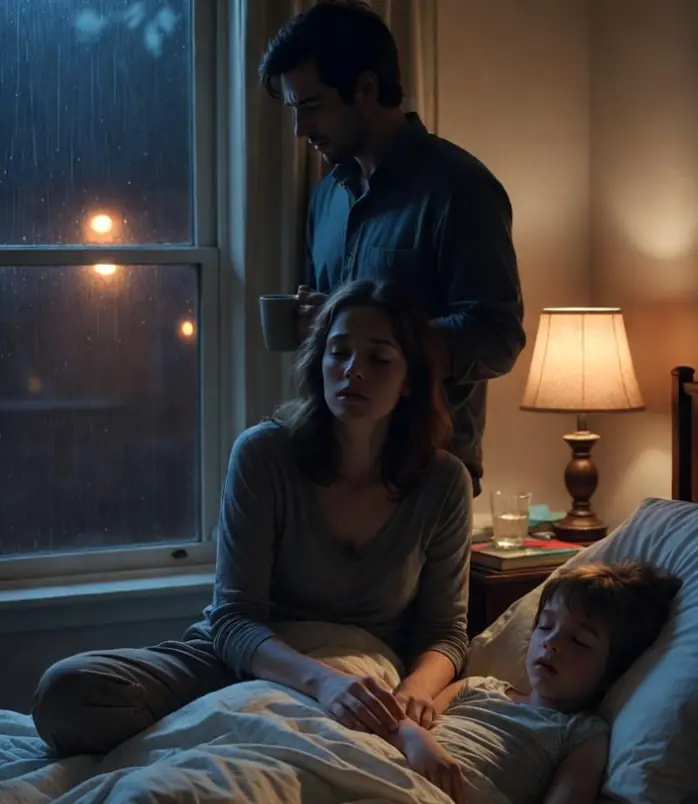
We took turns being strong while trying to save our child together

I paid off my husband’s debt and lost more than just money
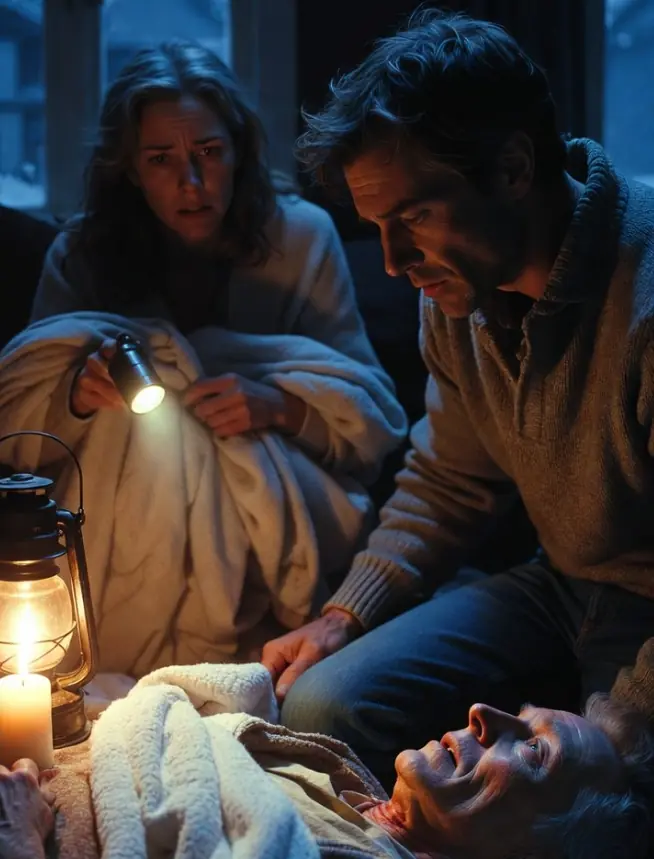
My father-in-law never trusted me until our family faced a crisis together
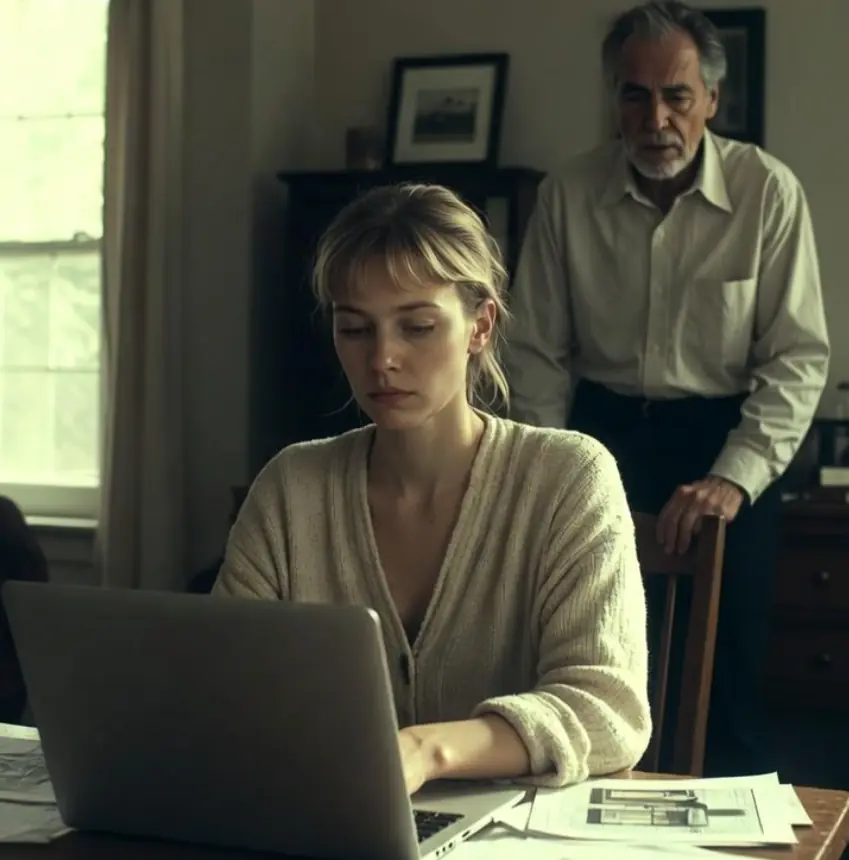
I never felt judged by words, only by the silence of my father-in-law
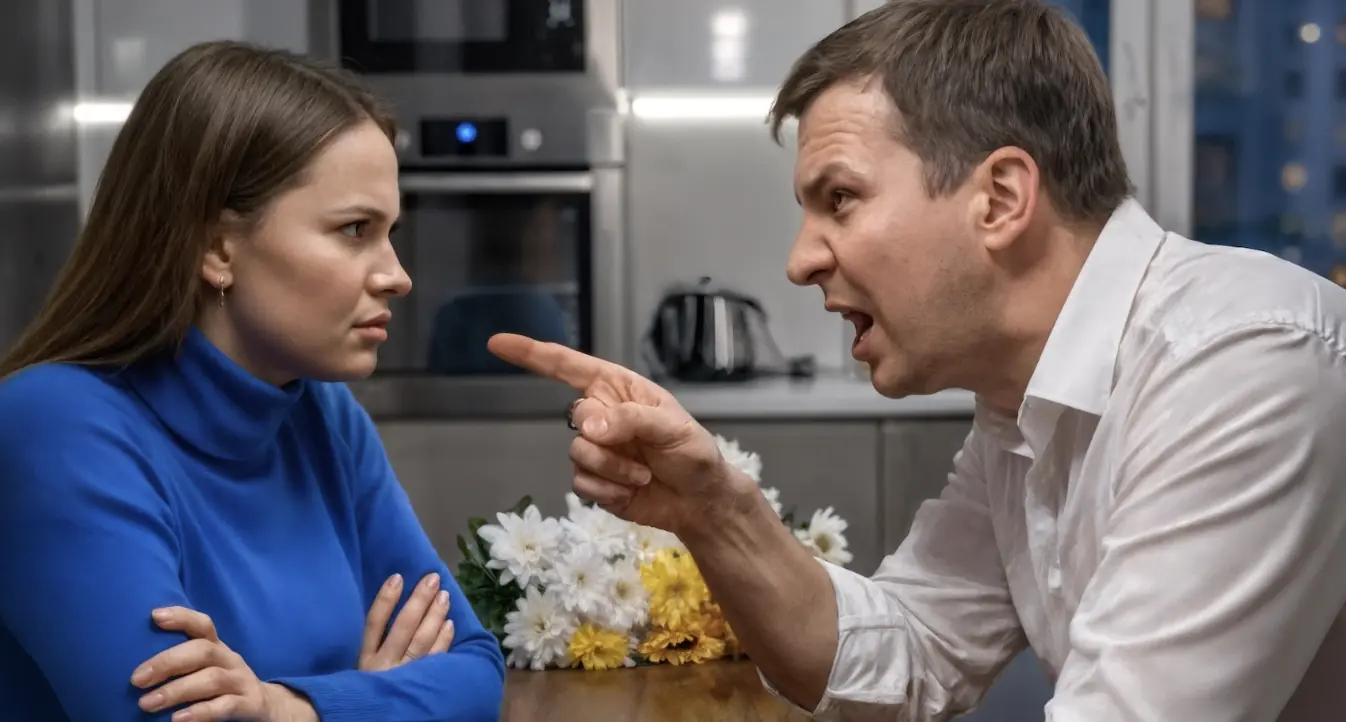
“Who Cares Whose Apartment It Is? I’m the Man — That Means I Run Everything,” the Unemployed Husband Declared

“Now that’s a real man — he squeezed the chicken dry!” the mother-in-law was already celebrating her victory

“I’m the one buying the groceries, and this house is“I’m the one buying the groceries, and this house is mine—so pack up and get out.” I cut off my mother-in-law’s little performance mine—so pack up and get out.” I cut off my mother-in-l
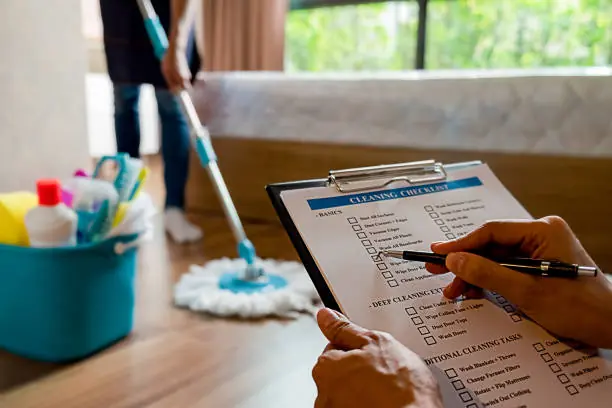

“Stop spending money on yourself—our son needs to save up for a car!” my mother-in-law snapped, eyeing my manicure




My Future Mother-in-Law Came to “Get Acquainted” — and Immediately Tried to Use Me, Demanding a “Small Favor”
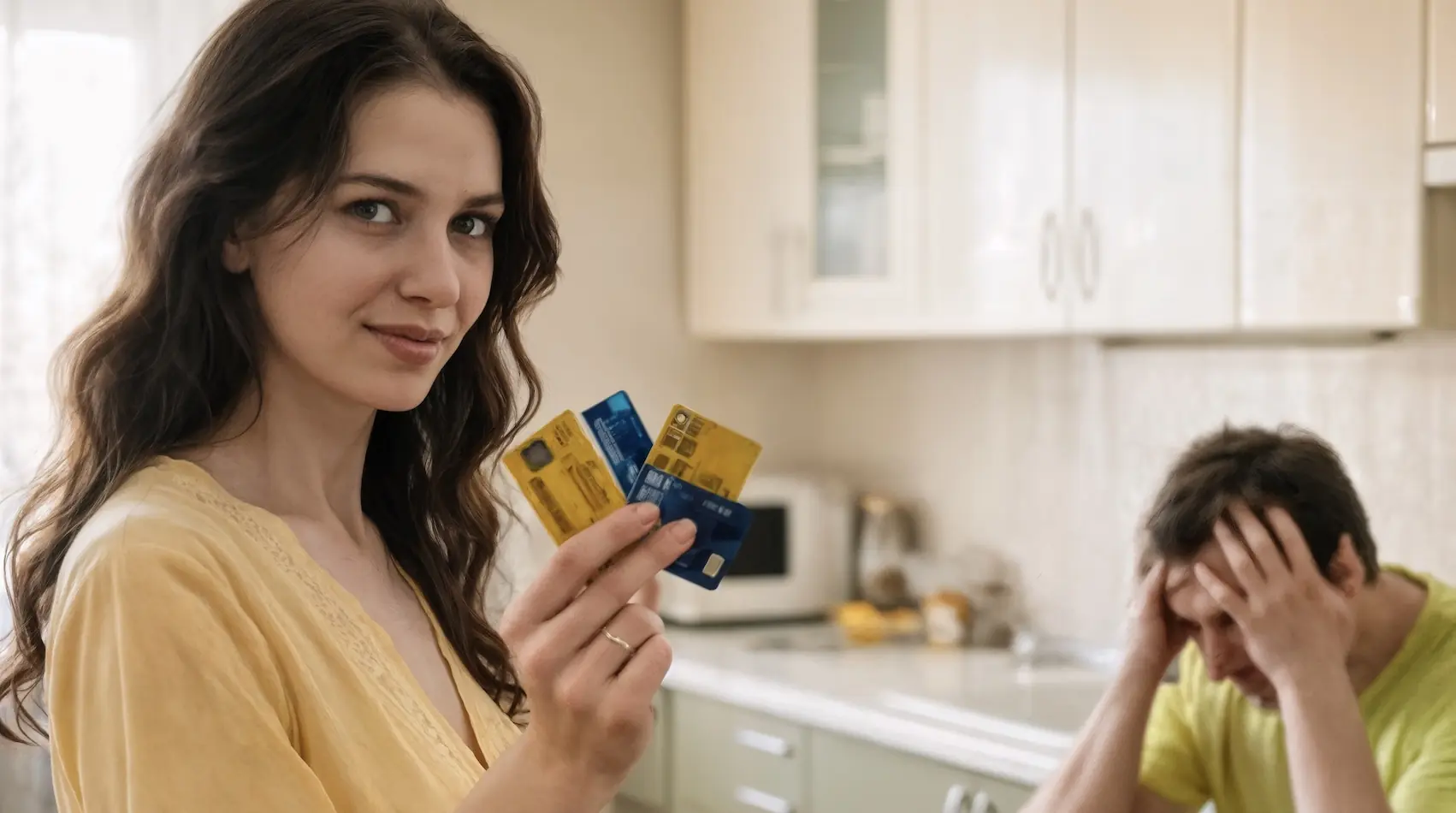
“I blocked your card. I’m the man of this house, so I decide what we buy.” — But I taught my arrogant husband a lesson
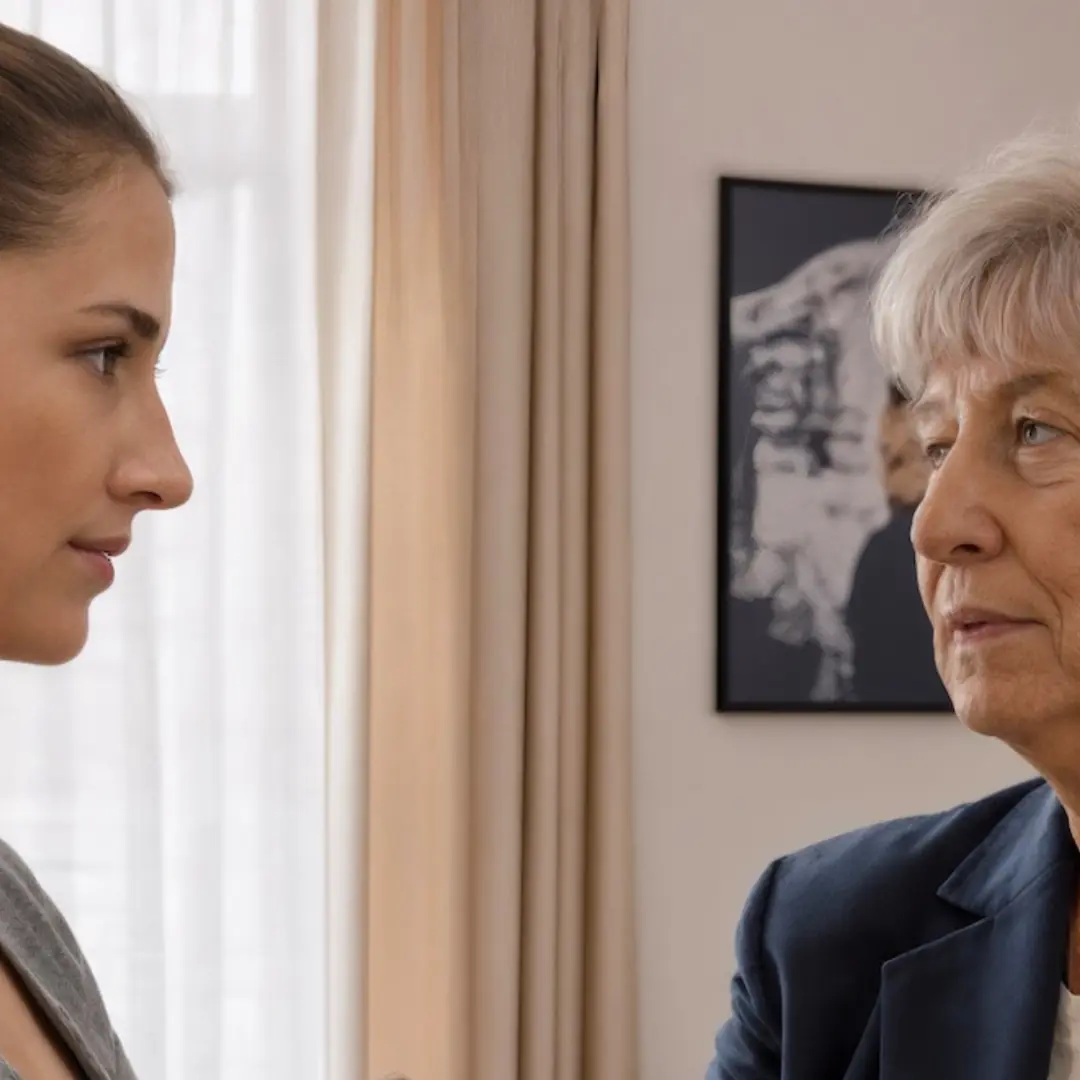
“I’m not going to nurse a person I’ve seen twice in my life,” the daughter-in-law refused to comply with her mother-in-law’s bizarre demand

11 Surprising Facts About Hard-Boiled Eggs


A 52-Year-Old Woman Di.ed from a Stro.ke: Middle-Aged People, Stop Doing These 7 Things—Even in the Cold Winter—Before It’s Too Late!

Magnesium is an essential mineral in the human body, playing a critical role in over 300 enzymatic processes.

Magnesium is an essential mineral in the human body, playing a critical role in over 300 enzymatic processes.
Everyone expected us to help, but no one asked if we could handle it

At just 20 years old, Linh Nguyen (name changed), a young and passionate teacher at a local elementary school, passed away from liver cancer — a disease typically associated with older individuals or those with long-term health issues.
Money was never our problem until it became everything

6 More Foods You Should Avoid Pairing With Coffee

Known as the World’s Dead.liest Food, It Kil.ls Hundreds Each Year — Would You Still Eat It?
I loved my wife and my parents, but i couldn’t keep everyone happy
I realized i was expected to give more than anyone ever asked out loud
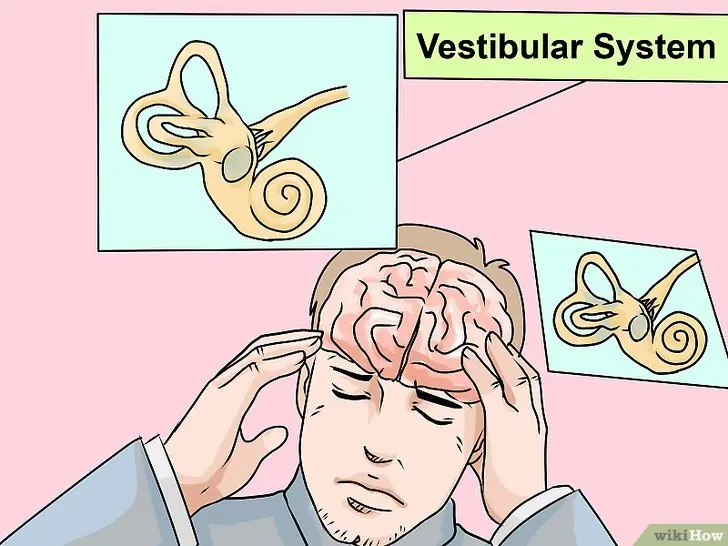
Ringing in Your Ears? Your Body Might Be Trying to Tell You Something

This Simple Lemon and Charcoal Trick Could Save You a Lot of Money
We took turns being strong while trying to save our child together
I paid off my husband’s debt and lost more than just money
My father-in-law never trusted me until our family faced a crisis together

8 Ways Ginger Tea Can Support Your Body Before Sleep
I never felt judged by words, only by the silence of my father-in-law