
My Husband Took a Secret 15-Day Trip With His “Best Friend”—When He Came Back, I Asked One Question That Stopped Him Cold
My Husband Took a Secret 15-Day Trip With His “Best Friend”—When He Came Back, I Asked One Question That Stopped Him Cold
If you’ve ever eaten while congested, you’ve probably noticed something surprising: food suddenly feels dull, muted, almost indistinguishable.
That’s because what we casually call “taste” is actually a collaboration between multiple sensory systems — and smell plays the leading role.

Your tongue can detect five primary taste categories:
But the nuanced flavors that make foods recognizable — vanilla, cinnamon, citrus, roasted coffee — come largely from aroma.
When you chew, volatile compounds travel upward through the back of the throat into the nasal cavity, activating olfactory receptors. This process is called retronasal olfaction, and it is responsible for much of what we perceive as flavor.
Block the nose, and that pathway weakens dramatically.
Suddenly, foods differ mostly by texture and basic taste signals.
This is why an apple and a potato can seem oddly similar when smell is impaired.
From an evolutionary standpoint, the smell-taste partnership helped humans evaluate food safety. Aromas could signal ripeness, spoilage, or nutritional value before ingestion.

Today, this sensory teamwork continues shaping appetite and satisfaction.
Smell also influences anticipation. The aroma of food can trigger salivation and digestive readiness — the body preparing itself before the first bite.
Without those cues, eating can feel less rewarding.
Interestingly, this relationship helps explain why presentation and aroma matter so much in culinary experiences. Chefs often think beyond taste alone, designing multisensory meals.
Your brain integrates all these inputs into a single perception.
There’s also a behavioral dimension.
When flavor perception drops, some people instinctively seek stronger stimulation — adding more salt, sugar, or seasoning to compensate. Awareness of this tendency can help maintain balance until normal smell returns.
Fortunately, temporary smell reduction is common during minor congestion and usually resolves as airflow improves.
Supporting nasal health — through hydration, humid environments, or gentle steam — may help restore sensory function more quickly.

What this reveals is something remarkable:
Flavor doesn’t live solely on the tongue.
It emerges from collaboration — between scent, taste, texture, temperature, and even memory.
Eating is not just chemical detection…
It is a full sensory event orchestrated by the brain.
So the next time a meal tastes extraordinary, remember — your nose deserves much of the credit.
My Husband Took a Secret 15-Day Trip With His “Best Friend”—When He Came Back, I Asked One Question That Stopped Him Cold











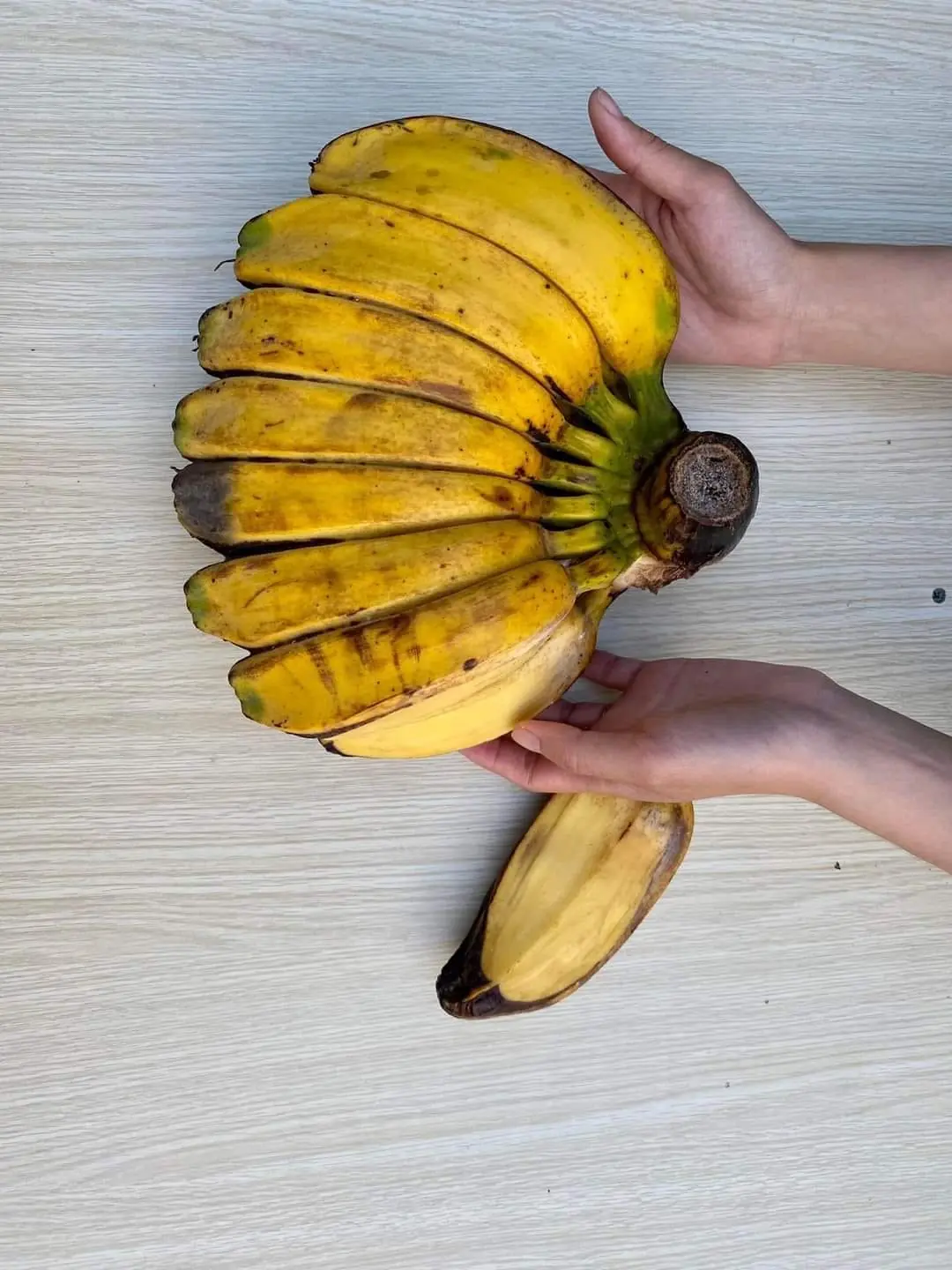
A simple banana a day could support energy and heart health.



This common backyard plant may hold surprising health benefits.

Small white bumps on lips or private areas? Know the real causes.

Foot symptoms may signal deeper health issues you shouldn’t ignore

How Does Eating Bananas Every Day Affect Your Blo.od Pressure?

Marrying Kavita: The Choice Everyone Fought—And the Truth I Didn’t Expect

A Father’s Instinctive Dash to Protect His Daughter
My Husband Took a Secret 15-Day Trip With His “Best Friend”—When He Came Back, I Asked One Question That Stopped Him Cold
A simple banana a day could support energy and heart health.