
Health 10/02/2026 22:49
Yawning and Brain Cooling: Why This Common Reflex May Help You Stay Alert
Yawning is contagious, universal, and strangely mysterious. Almost everyone does it multiple times a day, yet few people understand why.
For years, yawning was thought to be primarily linked to boredom or low oxygen levels. Modern research, however, suggests a different possibility: yawning may help regulate brain temperature.

Like any high-performance organ, the brain functions best within a narrow thermal range. Even small increases in temperature can affect alertness and cognitive efficiency.
Yawning appears to act as a natural cooling mechanism.
When you yawn, several physiological changes occur simultaneously:
A deep inhalation brings in cooler ambient air
Facial muscles stretch, increasing blood flow
Jaw movement promotes circulation in the skull
Sinus ventilation may assist heat exchange
Together, these processes can help dissipate excess warmth and stabilize brain temperature.
Why does this matter?
Because thermal regulation supports mental performance. A slightly cooler brain tends to operate more efficiently, improving vigilance and reaction time.

This helps explain why yawning often occurs during transitional states:
Waking up
Preparing for sleep
Switching tasks
Experiencing mental fatigue
These are moments when the brain benefits from recalibration.
Interestingly, environmental temperature appears to influence yawning frequency. Some studies suggest people yawn less in extremely hot conditions — possibly because inhaling warm air offers little cooling benefit.
Yawning also intersects with social neuroscience.
Contagious yawning — when you yawn after seeing someone else do it — is associated with empathy-related brain networks. While researchers continue exploring this connection, it highlights how deeply embedded this reflex is in human behavior.
Importantly, yawning is not necessarily a sign of disinterest or laziness. In many cases, it simply reflects the brain adjusting its physiological state.
Suppressing a yawn may even feel uncomfortable because the body is attempting to complete a regulatory cycle.

So what should you do when yawning increases?
Rather than fighting it, consider it feedback.
Frequent yawning may suggest your brain needs one of the following:
More sleep
A mental break
Movement
Fresh air
Hydration
Think of yawning as a reset button — subtle but intelligent.
Your body is constantly working behind the scenes to maintain optimal conditions for brain function.
And sometimes, that maintenance looks like something as ordinary… as a yawn.
News in the same category

Why Stepping Outside Can Wake Your Brain Faster Than Your Phone

Bones Are Alive: The Constant Renewal Happening Inside Your Skeleton

Why Your Brain Loves Habits — And How They Quietly Save Mental Energy

Why Food Seems Tasteless When Your Nose Is Blocked

Why Your Heart Rhythm Changes With Every Breath — And Why That’s a Good Thing
Why Your Eyes Never Truly Stay Still — Even When You Think They Do

Why Your Body Burns More Energy in Cooler Environments

How Changing Your Posture Can Boost Alertness Within Minutes

Cravings Aren’t Always Hunger — Understanding What Your Body May Really Be Asking For

20,000 Breaths a Day: The Invisible Rhythm Sustaining Your Body

The Extraordinary Sensitivity of Your Fingertips
What Really Happens to Your Body When You Eat One Banana a Day
A simple banana a day could support energy and heart health.

Why Your Brain Processes Images Faster Than Words — And What That Means for Your Daily Life

The “Weed” in Your Yard That Might Be a Hidden Herbal Treasure
This common backyard plant may hold surprising health benefits.
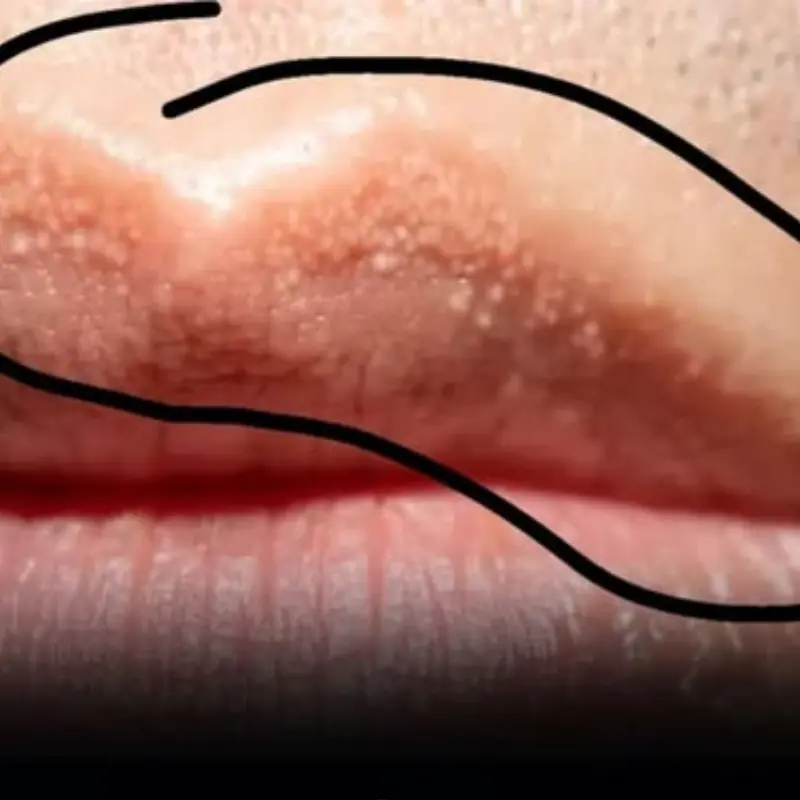
What Causes Small White Bumps on Lips or Intimate Areas?
Small white bumps on lips or private areas? Know the real causes.

Are Foot Symptoms an Early Warning Sign of Cervical Cancer? What You Should Know
Foot symptoms may signal deeper health issues you shouldn’t ignore

What Really Happens to Your Blo.od Pressure When You Eat Bananas Every Day?
How Does Eating Bananas Every Day Affect Your Blo.od Pressure?

A month before a stro:ke, your body warns you: 10 signs not to ignore
Before a Stroke Happens: 10 Subtle Signs Your Body Tries to Warn You
News Post
Why Time Feels Faster When You’re Engaged — And Slower When You’re Not
Health 10/02/2026 23:19
Why Stepping Outside Can Wake Your Brain Faster Than Your Phone
Health 10/02/2026 23:18
Bones Are Alive: The Constant Renewal Happening Inside Your Skeleton
Health 10/02/2026 23:16
Why Your Brain Loves Habits — And How They Quietly Save Mental Energy
Health 10/02/2026 23:15
Why Food Seems Tasteless When Your Nose Is Blocked
Health 10/02/2026 23:13
Why Your Heart Rhythm Changes With Every Breath — And Why That’s a Good Thing
Health 10/02/2026 23:11
Why Your Eyes Never Truly Stay Still — Even When You Think They Do
Health 10/02/2026 23:10
Why Your Body Burns More Energy in Cooler Environments
Health 10/02/2026 23:08
How Changing Your Posture Can Boost Alertness Within Minutes
Health 10/02/2026 23:07
Cravings Aren’t Always Hunger — Understanding What Your Body May Really Be Asking For
Health 10/02/2026 23:05
20,000 Breaths a Day: The Invisible Rhythm Sustaining Your Body
Health 10/02/2026 23:04
The Extraordinary Sensitivity of Your Fingertips
Health 10/02/2026 23:02
What Really Happens to Your Body When You Eat One Banana a Day
A simple banana a day could support energy and heart health.
Health 10/02/2026 22:55
Why Your Brain Processes Images Faster Than Words — And What That Means for Your Daily Life
Health 10/02/2026 22:48

“I Returned a Lost Wallet — The Owner Invited Me to Dinner, and That Night Changed My Career.”
Story 10/02/2026 22:46

“My Quiet Coworker Secretly Paid for Everyone’s Lunch — Until We Learned Why He Never Joined Us.”
Story 10/02/2026 22:44

“A Man Sat in My Assigned Airplane Seat — What He Said Made Me Trade Tickets with Him.”
Story 10/02/2026 22:42

“My Sister Asked Me to Babysit Her Son for a Week — Then I Found Out He Wasn’t Leaving.”
Story 10/02/2026 22:39
The “Weed” in Your Yard That Might Be a Hidden Herbal Treasure
This common backyard plant may hold surprising health benefits.
Health 10/02/2026 22:35