
My Husband Took a Secret 15-Day Trip With His “Best Friend”—When He Came Back, I Asked One Question That Stopped Him Cold
My Husband Took a Secret 15-Day Trip With His “Best Friend”—When He Came Back, I Asked One Question That Stopped Him Cold
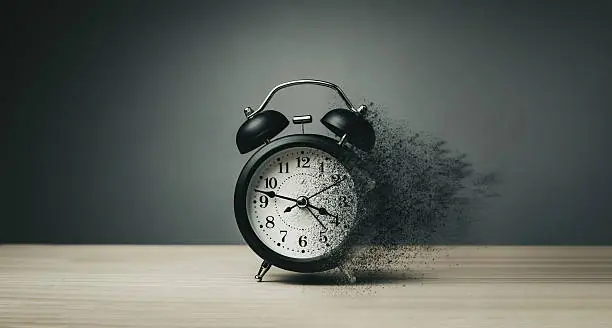
Most people imagine the heartbeat as steady and perfectly regular — like the ticking of a clock. But in reality, a healthy heart is not mechanical. It is dynamic, constantly adjusting to your body’s needs.
One of the most fascinating examples of this adaptability is a phenomenon known as respiratory sinus arrhythmia — the natural variation in heart rate that occurs as you breathe.

When you inhale, your heart rate typically speeds up slightly. When you exhale, it slows down.
This isn’t a malfunction. It’s a sign of a responsive and well-regulated cardiovascular system.
The mechanism is closely tied to the autonomic nervous system, which controls unconscious bodily functions. Two branches are particularly involved:
Breathing acts as a bridge between these systems.
During inhalation, parasympathetic influence briefly decreases, allowing heart rate to rise. During exhalation, parasympathetic activity increases again, encouraging the heart to slow.
This rhythmic interplay supports cardiovascular efficiency.
Rather than maintaining a rigid tempo, the heart conserves energy by adapting moment to moment.

Researchers often study a related concept called heart rate variability (HRV) — the subtle differences in timing between heartbeats. Higher variability is commonly associated with greater physiological flexibility and resilience.
Think of it this way: a system capable of adjusting is typically stronger than one locked into a fixed pattern.
Breathing patterns can influence this variability.
Slow, controlled breathing — especially with longer exhalations — tends to enhance parasympathetic activation, supporting relaxation.
Rapid, shallow breathing often signals the opposite.
This helps explain why breathing techniques are frequently used in stress regulation practices. They don’t force calm — they create conditions that allow the nervous system to shift.
Physical fitness also plays a role. Well-conditioned hearts often demonstrate greater adaptability because the cardiovascular system becomes more efficient at responding to demand.
But you don’t need to monitor heart metrics obsessively to benefit from this knowledge.

Simply understanding that variability is normal can be reassuring.
Many people assume a perfectly steady pulse is ideal, when in fact subtle fluctuation reflects sophisticated internal coordination.
Your heart is continuously listening — to your breath, your activity level, your emotional state — and adjusting accordingly.
It is less like a metronome…
And more like a skilled conductor, synchronizing rhythm with the needs of the moment.
Sometimes, the healthiest systems are not the most predictable — but the most adaptable.
My Husband Took a Secret 15-Day Trip With His “Best Friend”—When He Came Back, I Asked One Question That Stopped Him Cold










A simple banana a day could support energy and heart health.



This common backyard plant may hold surprising health benefits.

Small white bumps on lips or private areas? Know the real causes.

Foot symptoms may signal deeper health issues you shouldn’t ignore

How Does Eating Bananas Every Day Affect Your Blo.od Pressure?

Marrying Kavita: The Choice Everyone Fought—And the Truth I Didn’t Expect

A Father’s Instinctive Dash to Protect His Daughter
My Husband Took a Secret 15-Day Trip With His “Best Friend”—When He Came Back, I Asked One Question That Stopped Him Cold
A simple banana a day could support energy and heart health.