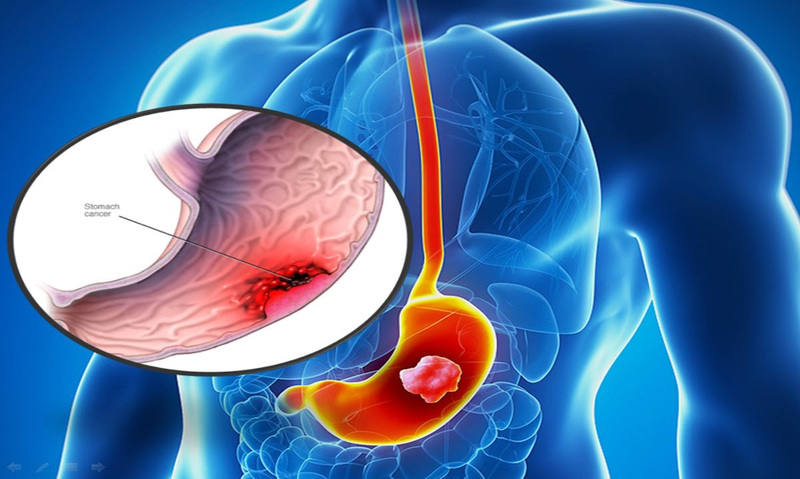
Stomach cancer remains one of the most common and life-threatening cancers worldwide. What makes it particularly dangerous is not just its
severity, but its silence. In the early stages, the symptoms are often vague and easily confused with everyday digestive issues such as gastritis,
indigestion, bloating, or acid reflux. Because these signs seem minor, many people delay medical evaluation and diagnosis frequently
happens only when the disease has progressed.
Understanding the early warning signs and recognizing when symptoms persist beyond what is normal can make a profound difference. Early
detection significantly increases treatment success rates and survival outcomes. At the same time, adopting protective dietary and lifestyle
habits can reduce risk and support long-term stomach health.
Below are eight early warning signs of stomach cancer, explained in greater detail - along with practical guidance on what to watch for and
why each symptom matters.
1. Persistent Pain or Discomfort in the Upper Abdomen
One of the earliest and most overlooked symptoms is a dull, ongoing discomfort in the upper abdomen, often located near the navel or just
below the breastbone.
Unlike temporary indigestion, this pain:
-
Persists for weeks rather than days
-
Does not improve with antacids
-
Occurs even when the stomach is empty
-
Feels like pressure, burning, or heaviness
Why it matters:
This type of discomfort may result from chronic inflammation, irritation of the stomach lining, or the presence of abnormal tissue growth.
While many benign conditions can cause similar pain, persistence is the key red flag.![TỔNG HỢP] 6 vị trí đau bụng cảnh báo bệnh lý](https://benhvienvinhphuc.com/wp-content/uploads/2024/04/vi-tri-dau-bung-canh-bao-benh-gi-1.jpg)
2. Ongoing Heartburn or Acid Reflux That Doesn’t Improve
Occasional heartburn is common. However, frequent or worsening reflux that does not respond to dietary changes or medication deserves
attention.
Warning signs include:
-
A burning sensation in the chest or throat almost daily
-
Reflux that worsens over time
-
Accompanying nausea, abdominal pain, or difficulty swallowing
Why it matters:
Chronic irritation of the stomach lining can indicate structural changes or obstruction within the stomach. Persistent reflux that resists
treatment should not be dismissed as routine acidity.
3. Feeling Full After Eating Very Small Amounts
Early satiety - feeling unusually full after only a few bites - is a subtle but significant symptom.
You may notice:
-
Loss of interest in meals quickly
-
Bloating after small portions
-
Repeated discomfort after eating
Why it matters:
A developing tumor may reduce the stomach’s ability to stretch and accommodate food, creating a premature feeling of fullness.
4. Persistent Nausea or Unexplained Vomiting
Occasional nausea can occur for many harmless reasons. However, nausea that lingers for weeks or vomiting without clear cause should
prompt evaluation.
Concerning signs include:
-
Ongoing nausea not linked to infection
-
Recurrent vomiting
-
Vomit containing blood or dark, coffee-ground material
Why it matters:
These symptoms may indicate irritation, blockage, or internal bleeding caused by stomach lesions.
5. Unintentional Weight Loss
Sudden weight loss without changes in diet or exercise is a classic warning sign of many cancers, including stomach cancer.
You may observe:
-
Noticeable weight reduction over weeks or months
-
Loss of muscle mass
-
Reduced appetite combined with weakness
Why it matters:
Stomach cancer can interfere with digestion, nutrient absorption, and appetite regulation, leading to unintended weight loss.
6. Loss of Appetite or Food Aversion
A sudden, unexplained lack of appetite — especially toward foods previously enjoyed — may signal deeper issues.
Signs include:
-
Skipping meals without hunger
-
Food smelling or tasting unpleasant
-
Appetite loss lasting for weeks
Why it matters:
Cancer can disrupt hormonal signals that regulate hunger and digestion, subtly altering eating behavior.
7. Ongoing Fatigue and Weakness
Persistent fatigue that does not improve with rest should never be ignored.
Watch for:
-
Constant exhaustion
-
Reduced stamina
-
Pale skin or dizziness
Why it matters:
Chronic internal bleeding from stomach lesions can lead to anemia, reducing oxygen delivery throughout the body and causing fatigue.
8. Black Stools or Signs of Anemia
Dark, tar-like stools can indicate bleeding in the upper digestive tract.
Warning signs include:
-
Black or unusually dark stools
-
Shortness of breath
-
Low iron levels in blood tests
Why it matters:
Internal bleeding from ulcers or malignant growths often manifests in this way and requires immediate medical evaluation.
How to Reduce the Risk of Stomach Cancer
While not all cases are preventable, certain lifestyle and dietary strategies can significantly reduce risk.
1. Adopt a Stomach-Protective Diet
A balanced, nutrient-rich diet supports healthy stomach lining and reduces inflammation.
Increase intake of:
-
Fresh fruits (especially citrus, apples, berries)
-
Leafy green vegetables
-
Garlic and onions (natural antibacterial properties)
-
Whole grains
-
Lean proteins (fish, poultry, legumes)
-
Yogurt and fermented foods to support gut microbiota
Limit:
-
Processed meats (sausages, bacon, smoked meats)
-
Pickled and heavily salted foods
-
Fried or charred foods
-
Ultra-processed snacks
-
Excessive alcohol
2. Control Helicobacter pylori (H. pylori) Infection
H. pylori infection is a major risk factor for stomach cancer.
If experiencing chronic stomach pain:
-
Seek testing
-
Complete prescribed antibiotic treatment fully
-
Maintain proper hygiene

3. Quit Smoking
Smoking damages the stomach lining, promotes inflammation, and increases cancer risk. Quitting significantly lowers long-term risk.
4. Limit Alcohol Consumption
Alcohol irritates the stomach lining and contributes to inflammation. Reducing intake protects digestive tissues.
5. Maintain a Healthy Weight
Excess weight increases systemic inflammation and cancer risk. Balanced eating and regular physical activity reduce this burden.
6. Get Regular Medical Checkups
Those at higher risk — including individuals with:
-
Family history of stomach cancer
-
Chronic gastritis or ulcers
-
Long-term digestive symptoms
- may benefit from periodic screening such as endoscopy.
Final Thoughts
Stomach cancer often develops quietly, but the body rarely remains completely silent. Persistent digestive discomfort, unexplained fatigue,
appetite changes, and abnormal stool color are signals that deserve attention.
Early recognition, timely medical evaluation, and protective dietary habits can dramatically improve outcomes. Listening to persistent
symptoms - rather than dismissing them may be life-saving.
If something feels consistently wrong, trust that instinct. Seeking evaluation early is not overreacting - it is protecting your future health.
Early action saves lives.