I realized our family traditions were hiding something unspoken
I realized our family traditions were hiding something unspoken
Story 11/02/2026 10:30
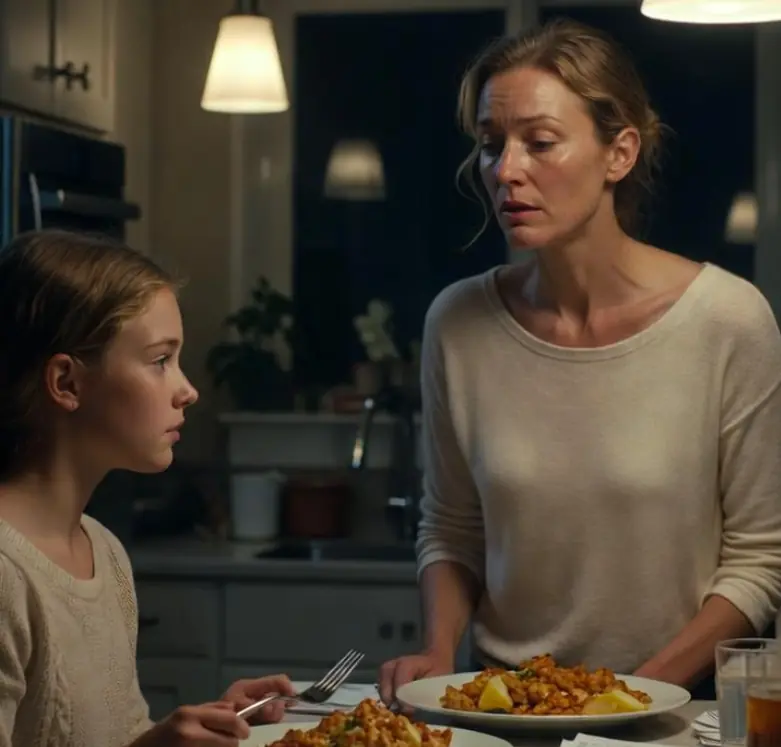
The kitchen island had become my primary workspace for "the project." For the past two years, ever since I married David, I had approached being a stepmother with the same meticulous dedication I applied to my career as a project manager. I had color-coded calendars for her soccer practices, a curated list of healthy snacks, and a library of books on "navigating blended family dynamics." I believed that if I could just be the most efficient, supportive, and organized version of myself, I could build a bridge across the quiet gap that existed between me and David’s twelve-year-old daughter, Chloe.
I thought I was doing everything right. I never missed a school play. I kept the house running like clockwork so David and Chloe could have "quality time." I was the buffer, the planner, and the one who remembered that she liked her sandwiches cut into triangles, not squares. I wore my "perfect stepparent" badge with a quiet, internal pride, convinced that our lack of conflict was proof of my success.
But the silence in our house wasn't the silence of peace; it was the silence of a held breath.
The tension in a blended family is often found in the things that don’t happen. It’s the hug that feels a second too short. It’s the way the conversation shifts when you walk into the room. I felt a constant, low-level insecurity—a fear that I was an interloper in a story that had started long before I arrived. I compensated for this by trying to be indispensable. If I could make myself necessary, I reasoned, I would eventually become loved.
The drama grew through these subtle misunderstandings. I would plan an elaborate weekend outing, thinking I was creating "core memories," while Chloe would retreat to her room with her headphones, her expression a polite but impenetrable mask. David, caught in the middle, would thank me with a weary smile that didn't quite reach his eyes. He was grateful for the order I brought to his life, but I started to realize that he was also becoming a guest in the home I was so carefully managing.
I was focused on the "logistics" of family while missing the "feeling" of it.
The turning point came on a rainy Tuesday in October. David was working late, and it was just Chloe and me at the dinner table. I had made her favorite lemon chicken, and I was going through my usual checklist of conversational prompts.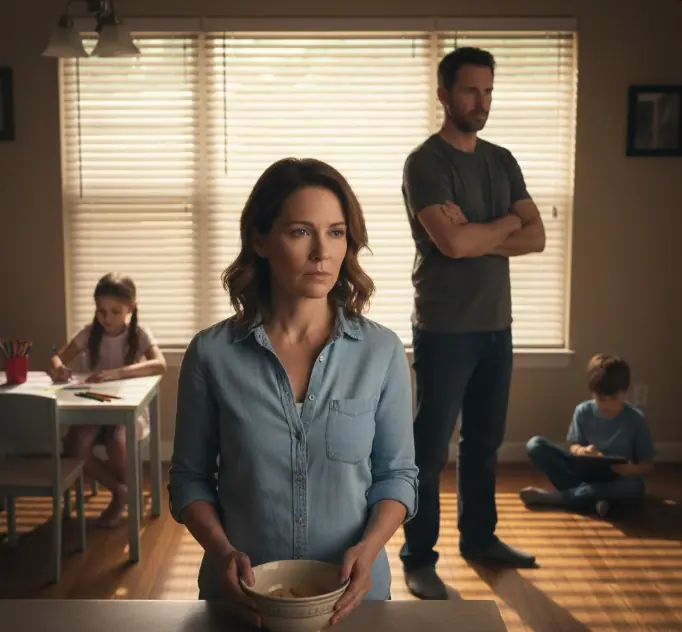
"How was the science project, Chloe? Did the volcano erupt the way you expected?"
"It was fine," she said, moved a piece of chicken around her plate.
"And your soccer gear is washed and ready for tomorrow," I added, offering a bright, practiced smile. "I also picked up those specific pens you wanted for your art class."
I waited for the "thank you." I waited for the small crack in the ice that would let me know I was winning. Instead, Chloe set her fork down and looked at me with a clarity that was both startling and uncomfortable.
"You're like a really high-end hotel, Sarah," she said quietly.
I blinked, confused. "A hotel? I’m sorry, I don't follow."
"You have everything ready before I even know I need it," she continued, her voice devoid of malice but heavy with an observation she’d clearly been holding onto. "The towels are soft, the food is good, and the schedule is perfect. But a hotel isn't a home. In a hotel, you’re always a guest. You’re afraid to leave a mess because it's not yours."
The words hit me with the force of a physical blow. I felt the heat rise in my cheeks, a mixture of embarrassment and a sudden, sharp realization.
"I’m just trying to make things easy for you and your dad," I whispered, my "project manager" armor crumbling in real-time.
"But you’re so busy making it easy that you’re not actually here," Chloe said, her eyes meeting mine. "You’re so afraid of us not liking you that you won't let us see you be messy. And because you’re never messy, I feel like I have to be perfect too. It’s exhausting."
That single, honest comment changed how I saw everything. I realized that my quest for "perfection" was actually a form of emotional distance. By trying to do everything "right," I was preventing any real connection from forming. I was providing a service, not a relationship. I was so worried about loyalty conflicts—about overstepping or being "the evil stepmom"—that I had sanitized my personality until there was nothing left for her to grab onto.
I looked at the kitchen island—the color-coded calendars, the neatly stacked mail, the curated life I had built. It looked beautiful, but it felt cold.
The drama of the next few weeks wasn't about a grand confrontation; it was about the difficult work of letting go. I started by leaving the dishes in the sink. I stopped being the one who initiated every single conversation. I started telling Chloe when I was having a bad day, or when I was frustrated with a project at work. I allowed myself to be human.
The insecurity didn't vanish overnight, but the nature of it changed. I stopped trying to be "indispensable" and started trying to be "present."
The shift in my marriage was equally profound. I sat David down and told him what Chloe had said. I told him how I had been trying to "earn" my place instead of just occupying it.
"I thought I was helping you," I said, the honesty feeling raw and new. "But I think I was just keeping you at arm's length because I was afraid of being rejected."
David took my hand, and for the first time in months, his smile reached his eyes. "I love the organized life, Sarah. But I love the messy you more. I’ve missed seeing you just... sit with us. Without a clipboard."
The renewed effort toward connection was small and quiet. It was the night Chloe and I stayed up late making cookies—not for a bake sale or a specific event, but just because we were hungry. We made a huge mess. There was flour on the floor and chocolate on the counter. We didn't follow a recipe, and they came out slightly burnt.
As we sat on the kitchen floor eating the warm, imperfect cookies, Chloe looked at the flour-streaked counter and then at me.
"This is better," she said, her mouth full of chocolate.
"It really is," I replied.
I realized then that being a family isn't about the absence of conflict or the perfection of a schedule. It’s about the willingness to be seen in the middle of the mess. I stopped being the "manager" of our home and started being a resident of it. I stopped worrying about whether I was doing everything "right" and started focusing on whether I was being "real."
I still have my color-coded calendars—old habits die hard—but they stay in the drawer more often now. I’ve learned that the bridge I was trying to build wasn't made of logistics; it was made of vulnerability. Chloe’s comment didn't just change my marriage; it saved it. It taught me that the best gift you can give a blended family isn't a perfect life, but a real person. We are still learning, and we still have our quiet moments, but the silence in our house now feels like the silence of a house that is finally, beautifully, lived in.
I realized our family traditions were hiding something unspoken
When my parents asked us to move in, i didn’t expect it to test my marriage
i found out i was the only one who didn’t know the truth
My husband’s success changed the way his family treated me
I thought therapy would fix our family, but it revealed more than i was ready for
My brother and i stopped speaking over something that was never really about money
We agreed to an open secret in our family and it slowly tore us apart

The inheritance came with conditions none of us expected
Marrying Kavita: The Choice Everyone Fought—And the Truth I Didn’t Expect

A Father’s Instinctive Dash to Protect His Daughter




“What do you mean ‘separate property’? The house will be joint!” my mother-in-law screeched while I was signing the papers at the notary’s
He registered the apartment in his mother’s name — and had no idea what would happen seven days later

When my mother-in-law asked whose name the apartment was in, I smiled—and said nothing. That decision ended up saving my life

“Yes, I’m throwing you out—on New Year’s Eve! Do you really think I’m supposed to put up with insults in my own home?” Alice pointed her mother-in-law toward the door
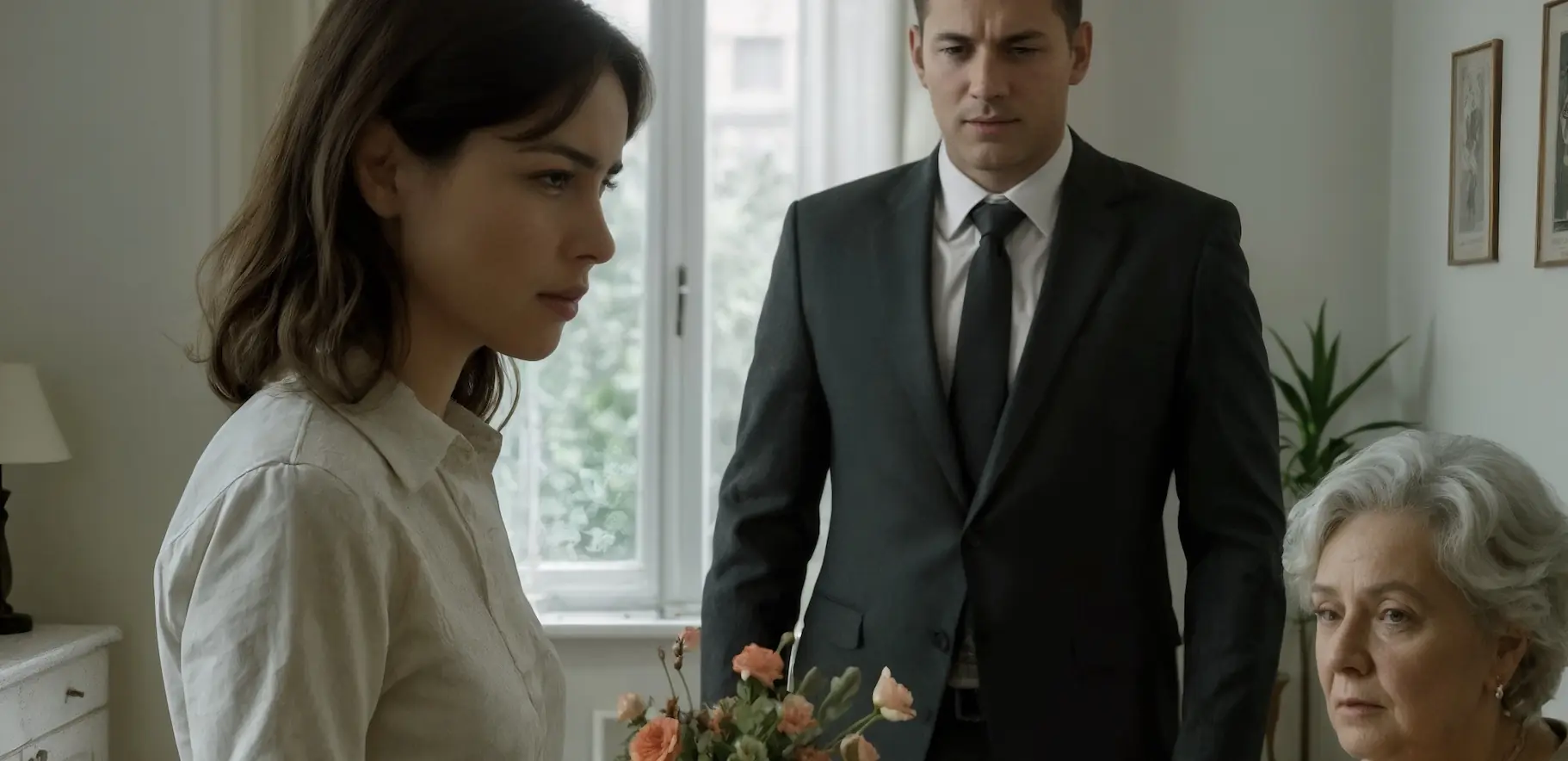
“No, I’m not giving your mother any more money! Enough! Let her deal with her debts herself—I’m done!”
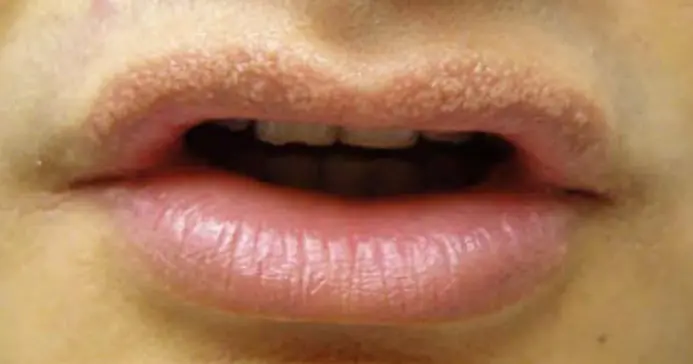
These White Bumps on Your Lips or Private Areas Could Be a Sign of Something Serious
How Does Drinking Coconut Water Affect Your Kidneys?
I realized our family traditions were hiding something unspoken

8 Warning Signs of Digestive Problems You Should Never Ignore
When my parents asked us to move in, i didn’t expect it to test my marriage
i found out i was the only one who didn’t know the truth
My husband’s success changed the way his family treated me
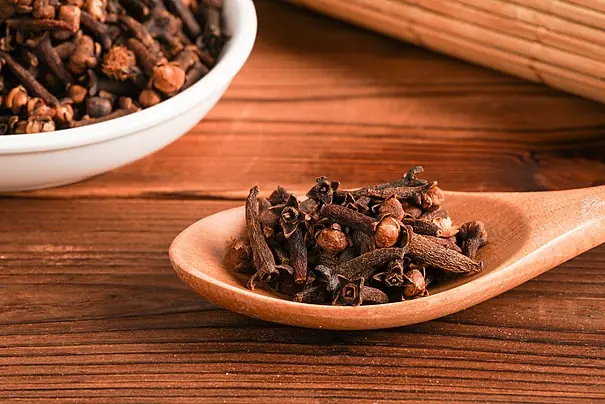
7 Surprisingly Handy Ways to Use Cloves
I thought therapy would fix our family, but it revealed more than i was ready for
My brother and i stopped speaking over something that was never really about money
We agreed to an open secret in our family and it slowly tore us apart
The inheritance came with conditions none of us expected

What condition causes frequent leg numbness, and what might be the reason behind it?

What You Should Know If You Enjoy Daytime Naps
Marrying Kavita: The Choice Everyone Fought—And the Truth I Didn’t Expect
A Father’s Instinctive Dash to Protect His Daughter

My Husband Took a Secret 15-Day Trip With His “Best Friend”—When He Came Back, I Asked One Question That Stopped Him Cold