Cloves may be small, but they are one of the most powerful spices you can keep at home. Often tucked away in the kitchen and only brought
out for special recipes, cloves actually have a wide range of practical uses that go far beyond cooking. For centuries, they have been used in
traditional medicine, home care, and natural remedies thanks to their strong aroma and active compounds.
Here are seven handy clove tips that are simple, practical, and surprisingly useful in everyday life.
1. Use Cloves to Freshen Bad Breath Naturally
Cloves have natural antibacterial properties and a strong, pleasant aroma. Chewing on one whole clove after a meal can help reduce odor-
causing bacteria in the mouth.
How it helps:
-
Neutralizes bad breath
-
Supports oral hygiene
-
Leaves a warm, fresh taste
You don’t need many—just one clove, gently chewed for a minute or two, is enough.
2. Relieve Mild Tooth Discomfort
One of the oldest uses of cloves is for dental discomfort. Cloves contain eugenol, a compound known for its soothing and numbing effect.
A common method:
-
Place a whole clove near the affected tooth
-
Gently bite down to release the oil
-
Leave it in place for a short time
This does not replace dental care, but it can offer temporary relief until professional treatment is available.
3. Make a Simple Clove Water Drink
Soaking cloves in water creates a mild infusion that many people use as part of their daily routine.
How to prepare:
-
Add 4–6 whole cloves to a cup of water
-
Soak overnight or boil lightly for a few minutes
-
Drink warm or at room temperature
Clove water is commonly used to support digestion, reduce bloating, and add antioxidants to the diet when consumed in moderation.
4. Keep Insects Away Naturally
Cloves have a scent that many insects dislike, making them a natural repellent.
Ways to use them:
-
Place cloves near windows or doors
-
Stick cloves into lemon or orange peels
-
Add cloves to sachets for closets or drawers
This method is chemical-free and helps reduce the presence of flies, ants, and mosquitoes indoors.
5. Improve Digestion After Heavy Meals
Cloves are known to stimulate digestive enzymes and ease stomach discomfort.
A simple tip:
-
Brew clove tea by steeping 2–3 cloves in hot water
-
Drink slowly after a heavy meal
This may help reduce gas, bloating, and that uncomfortable “overfull” feeling.
6. Use Cloves to Absorb Odors at Home
Cloves are excellent for neutralizing unwanted smells.
Practical uses:
-
Simmer cloves with cinnamon and citrus peels for a natural air freshener
-
Place cloves in small bowls in the refrigerator
-
Add them to trash bins to reduce odor
Their strong aroma masks and absorbs unpleasant smells without artificial fragrances.
7. Add Cloves for Extra Flavor and Preservation in Cooking
Cloves are extremely potent, so a small amount goes a long way.
Cooking tips:
-
Add 1–2 cloves to rice or stews for depth
-
Use cloves in marinades to enhance flavor
-
Add to pickles or preserves, where cloves also help slow spoilage
Because of their antimicrobial properties, cloves have traditionally been used to help preserve food naturally.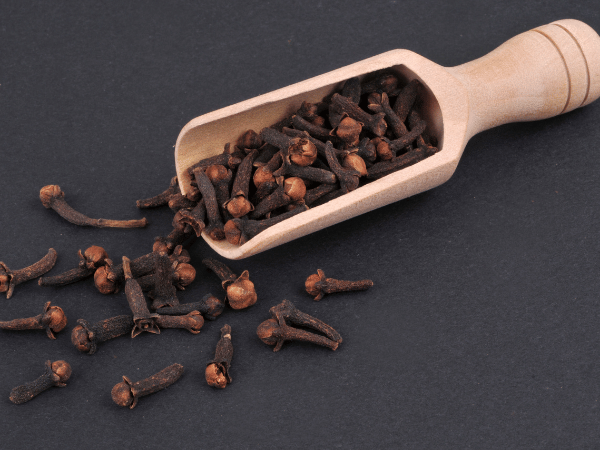
A Note on Moderation
Cloves are powerful, and more is not always better. Excessive consumption—especially of clove oil—can cause irritation or side effects. Use
cloves in small amounts and avoid overuse, particularly if you have underlying health conditions.
Final Thoughts
Cloves may be tiny, but they are one of the most versatile natural tools you can keep in your home. From oral care and digestion to insect
control and home freshness, these small buds offer big benefits when used wisely.
Sometimes the most useful solutions aren’t expensive or complicated—they’re already sitting quietly in your spice drawer, waiting to be used.