Fruits are widely celebrated as essential components of a healthy diet. Packed with vitamins, minerals, fiber, and antioxidants, they help support immunity, digestion, and overall wellness. However, not all fruits are always as safe as they appear. When improperly grown, stored, or handled, certain fruits can carry hidden health risks that consumers should not ignore.
Understanding these potential dangers does not mean avoiding fruits altogether. Instead, it means learning how to choose wisely and recognize warning signs that may indicate contamination or poor quality. Here are five types of fruits often associated with health concerns when not properly managed.
1. Apples with Visible Mold or White Patches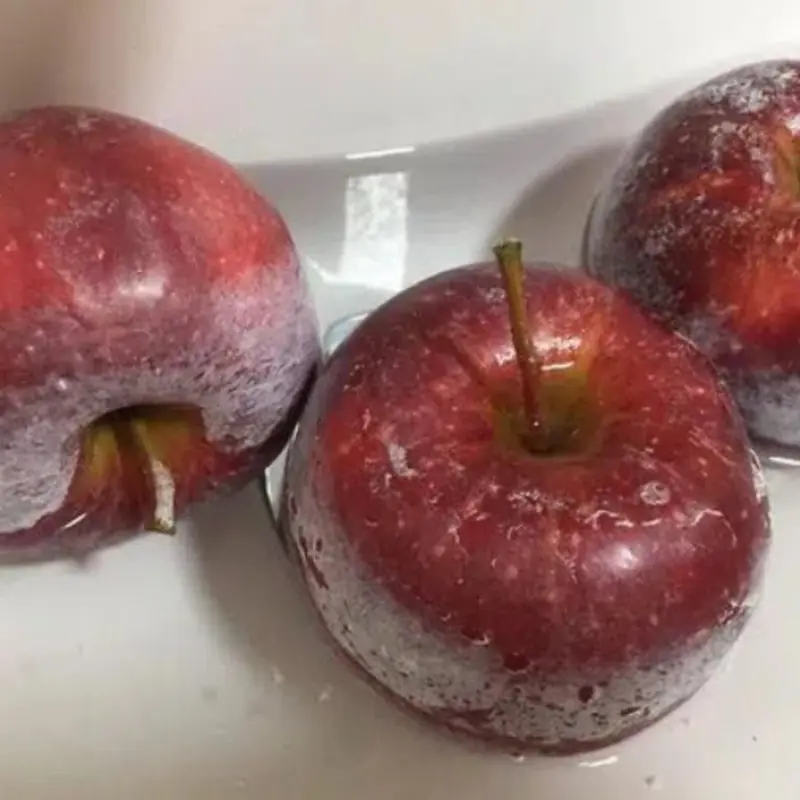
Apples are among the most popular fruits worldwide, but they can also harbor mold when stored incorrectly. Visible white or gray patches on the surface may signal fungal growth. Mold can produce toxins known as mycotoxins, which may cause allergic reactions or digestive discomfort if consumed.
Even if mold appears only on the skin, it may have penetrated deeper into the fruit. Experts recommend discarding apples with extensive mold rather than cutting off the affected area. Always inspect apples carefully before purchasing and store them in cool, dry environments to prevent spoilage.
2. Grapes with Sticky or Shiny Residue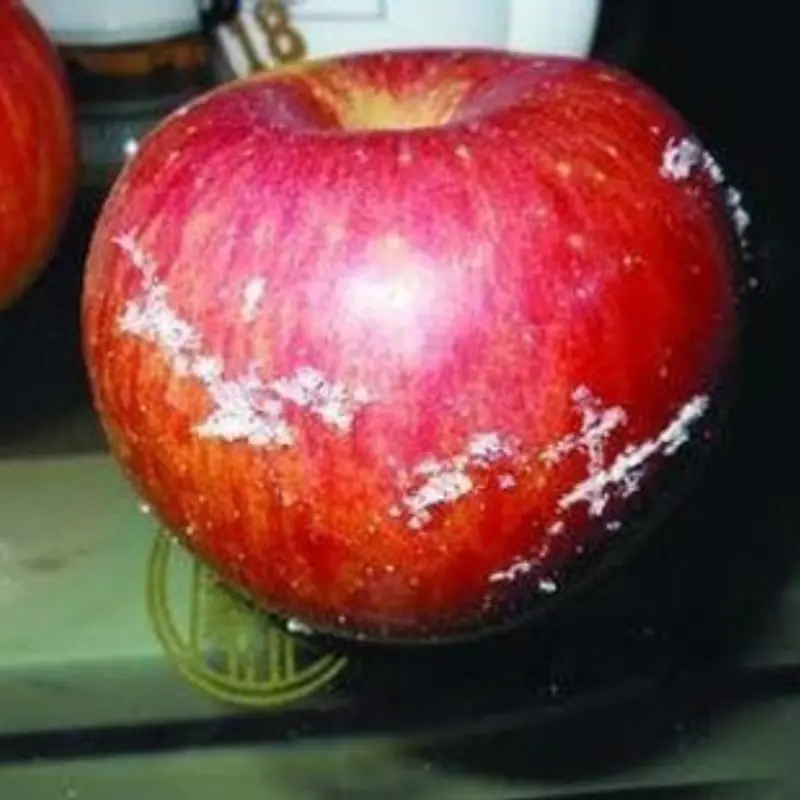
Grapes are often treated with pesticides and wax coatings to maintain freshness and appearance. While many treatments are regulated, excessive chemical residue can remain if fruits are not properly washed. Sticky surfaces or unusually glossy skins may indicate heavy treatment.
Consuming unwashed grapes may expose you to unwanted chemicals. To reduce risk, rinse grapes thoroughly under running water and consider soaking them briefly in a solution of water and baking soda before eating.
3. Overripe Bananas with Dark, Leaking Spots
Bananas are rich in potassium and fiber, making them a nutritious snack. However, bananas that are overly soft, leaking, or emitting a fermented smell may harbor harmful bacteria or mold. These conditions often result from improper storage or extended shelf time.
While slightly spotted bananas are still safe and even sweeter, those that appear mushy or damaged should be avoided. Choose bananas with firm texture and intact skins to ensure freshness and safety.
4. Pre-Cut Fruits Stored for Long Periods
Convenience has made pre-cut fruits increasingly popular in supermarkets. However, once fruit is cut, it becomes more vulnerable to bacterial contamination and nutrient loss. If not refrigerated properly, pre-cut fruit can become a breeding ground for harmful microbes.
Always check expiration dates and storage conditions before buying pre-cut fruit. If the container appears swollen, has excess liquid, or emits an unusual odor, it is best to avoid consuming it.
5. Imported Fruits with Unclear Origin
Imported fruits can offer variety and year-round availability, but they sometimes come with concerns about preservation methods and transportation conditions. Long shipping times may require chemical treatments to prevent spoilage, and improper storage can reduce quality.
Whenever possible, choose fruits with clear labeling and trusted sources. Locally grown produce often undergoes less processing and reaches consumers faster, reducing the likelihood of contamination.
How to Protect Yourself When Buying Fruit
Being aware of potential risks does not mean eliminating fruits from your diet. Instead, focus on smart shopping and proper handling. Here are a few simple tips:
-
Inspect fruits carefully for mold, bruises, or unusual textures
-
Wash all fruits thoroughly before consumption
-
Store fruits at recommended temperatures
-
Avoid fruits with strong chemical odors
-
Buy from reputable sellers with good hygiene standards
Fruits remain one of the most valuable components of a balanced diet. By learning to recognize warning signs and practicing safe handling, you can continue to enjoy their benefits without compromising your health.