If a cat walks up and gently presses their head, cheek, or even their entire body against your leg, arm, or face, it may seem like a casual, cute gesture. Many people smile, bend down, and assume it’s simply affection.
But in feline communication, that movement carries far more meaning than most realize.
Cats are efficient communicators. They do not waste energy on random social gestures. When they rub against someone, the action is deliberate. It is layered with information about territory, trust, bonding, comfort, and sometimes even negotiation.
Here is what is really happening.
It’s Called “Bunting” — And It’s Important
The formal term for this behavior is bunting. It refers to the act of a cat rubbing their head, cheeks, or body against an object, animal, or human.
Cats have scent glands located on:
-
Their cheeks
-
Forehead
-
Chin
-
Flanks (sides of the body)
-
Base of the tail
When a cat rubs against you, they are depositing scent. This scent is not noticeable to humans, but in the feline world, it carries identity and meaning.
For cats, scent functions as a social signature. It defines familiarity, territory, safety, and belonging.
So when a cat bunts against you, they are not just being affectionate — they are communicating in their native language.
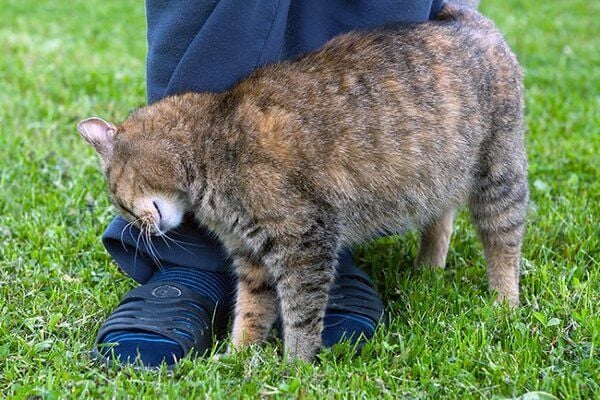
Meaning #1: Inclusion in Their Territory
Cats are territorial animals, but territorial behavior is not always aggressive. In many cases, it is about mapping comfort and familiarity.
When a cat rubs against you, they are marking you as part of their safe environment.
This signals:
-
You are familiar
-
You are accepted
-
You belong within their trusted space
It is not a claim of ownership in a controlling sense. Instead, it is a form of social inclusion. The cat is integrating you into their world.
That level of acceptance is significant. Cats are selective creatures. Inclusion is intentional.
Meaning #2: Affection — in Feline Form
Cats do not display affection in the same overt ways as dogs. There is no enthusiastic jumping or tail-wagging display.
Cat affection is subtle, controlled, and purposeful.
Rubbing is one of their strongest expressions of positive regard.
It often indicates:
-
Comfort in your presence
-
Willingness to initiate contact
-
Emotional relaxation around you
An important distinction: cats typically ignore individuals they dislike. Tolerance results in distance. Bunting requires intention.
If a cat rubs against someone, that is chosen interaction. It is a sign of comfort, not obligation.
Meaning #3: Social Bonding
In multi-cat environments, cats rub against each other frequently. This behavior serves to:
-
Create a shared group scent
-
Reinforce social cohesion
-
Reduce social tension
-
Strengthen bonds within the group
When a cat rubs against a human, they are extending that same social ritual across species.
In essence, the cat is not treating you as an outsider. They are including you in their social structure.
That is a high level of trust.
Meaning #4: A Strategic Request
It is also important to acknowledge that cats are practical communicators.
Rubbing can be a prelude to a request.
Common motivations include:
-
Food
-
Attention
-
Play
-
Access to a closed door
-
Lap space
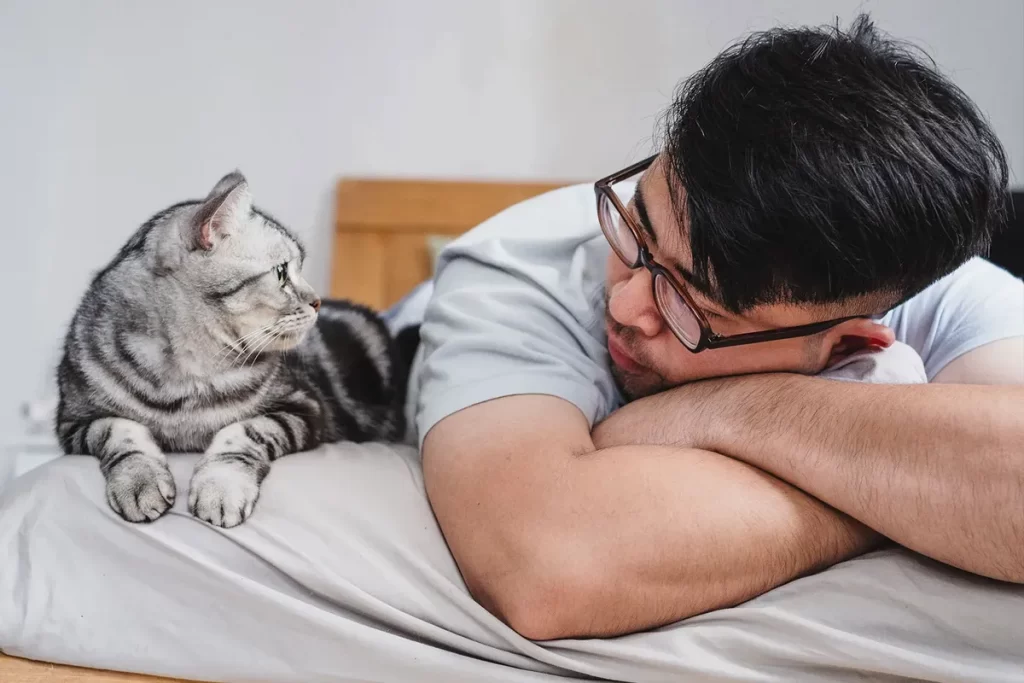
The bunting behavior captures attention. It ensures you are focused. Often, it is followed by eye contact, vocalization, or exaggerated body language.
Affection and intention can coexist. A cat can feel comfortable with you while also seeking a specific outcome.
Meaning #5: Emotional Regulation and Comfort
Bunting is soothing for cats.
Scent-marking reinforces familiarity, and familiarity reduces stress. By marking you, the cat is reinforcing a known, safe element within their environment.
If a cat increases rubbing behavior during:
-
Household changes
-
Loud noises
-
Visits from strangers
-
New animals entering the home
They may be using you as a stabilizing presence.
In these moments, you are not just a companion — you are an anchor.
That level of reliance reflects deep trust.
Why Cats Target Legs and Faces
Legs
Legs are ideal for scent-marking:
-
They are vertical and easy to brush against
-
They move, which makes them noticeable
-
They physically block movement, ensuring attention
From a practical standpoint, rubbing against legs is efficient and effective.
Faces
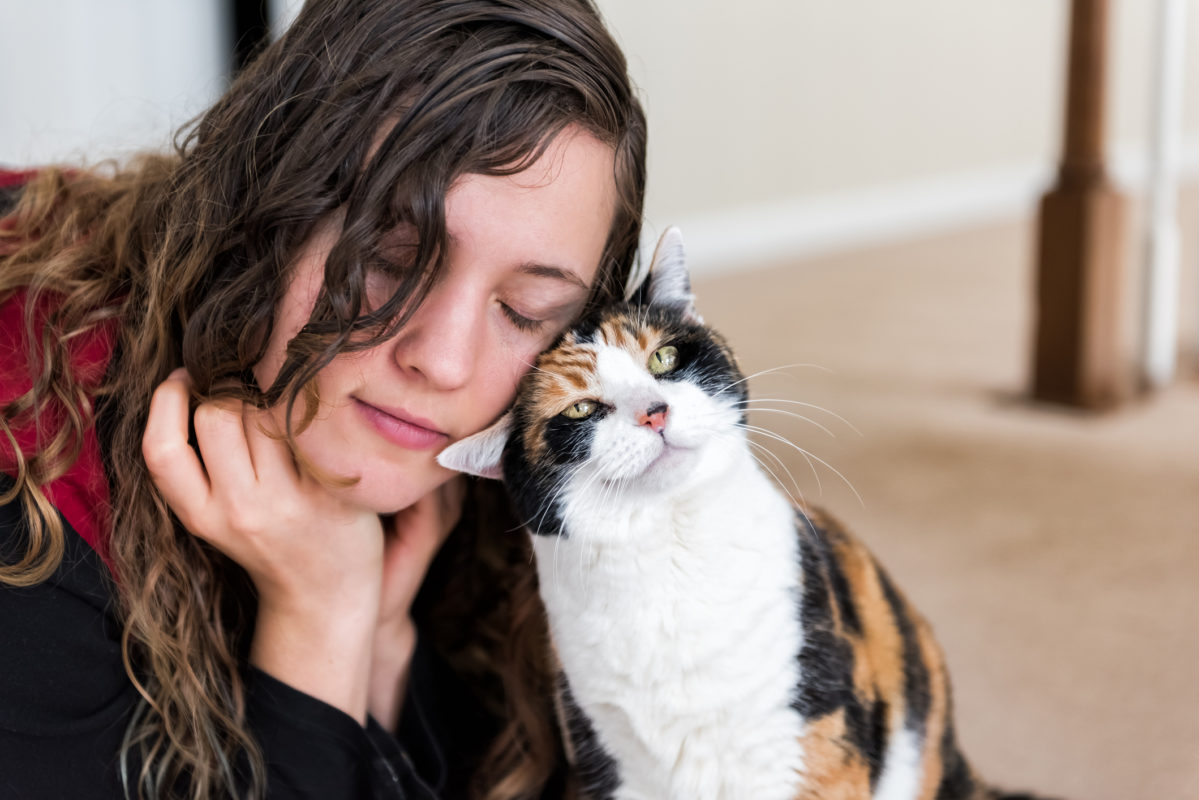
Face-to-face bunting is more intimate.
Cats instinctively protect their head and facial area. If a cat presses their face against yours, it signals:
-
Absence of fear
-
Complete comfort
-
Strong attachment
This behavior is usually reserved for individuals the cat feels exceptionally safe with.
What Rubbing Does Not Mean
There are common misconceptions about this behavior.
Bunting does not automatically mean:
-
The cat wants to be picked up
-
The cat wants to be petted everywhere
-
The cat is submissive
It is a greeting and a communication signal — not an open invitation for unrestricted physical interaction.
After rubbing, observe the rest of the cat’s body language. A relaxed tail, soft eyes, and calm posture suggest openness. Tension or withdrawal suggests the interaction should pause.
How to Respond Appropriately
When a cat rubs against you:
-
Remain calm and still
-
Allow the cat to initiate further contact
-
Offer gentle head or cheek scratches if welcomed
-
Avoid grabbing or restraining
Respect strengthens trust. Forced interaction can undermine it.
Why This Behavior Is More Meaningful Than Meowing
Meowing is largely a behavior cats developed specifically to communicate with humans.
Bunting, however, predates human companionship. It is rooted in feline-to-feline interaction.
When a cat uses bunting toward a person, they are adapting a deeply ingrained social behavior to include you.
That is not random. It is intentional inclusion.
The Bottom Line
When a cat rubs against you, it communicates multiple layers of meaning:
-
You are familiar
-
You are trusted
-
You are part of their territory
-
You are emotionally safe
And occasionally:
-
You are being politely reminded that dinner time exists
Both interpretations can coexist.
In the feline world, rubbing is not a trivial gesture. It is a signal of acceptance. And acceptance, in cat terms, is one of the highest forms of connection they offer.