Potatoes are one of the most widely consumed foods in the world. Affordable, versatile, and satisfying, they appear in countless dishes - from simple boiled potatoes to fries, mashed sides, and hearty soups. Rich in carbohydrates and packed with certain nutrients, potatoes are often considered a staple in many diets.
However, despite their popularity, potatoes are not suitable for everyone. For some individuals, consuming potatoes regularly - or in certain forms may lead to health complications or worsen existing conditions.
Understanding who should limit or avoid potatoes, and why, is essential for making informed dietary choices.
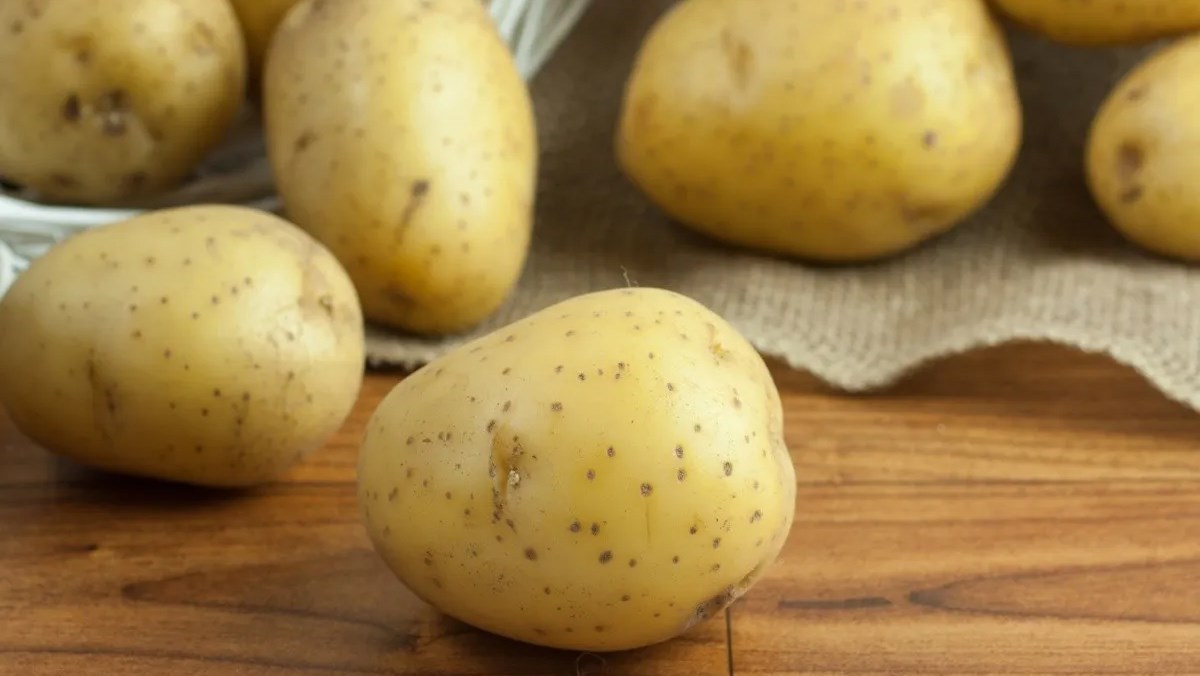
Nutritional Overview of Potatoes
Before exploring the risks, it’s important to recognize that potatoes do offer nutritional benefits. They contain:
- Vitamin C (supports immunity)
- Potassium (important for heart and muscle function)
- Fiber (especially when eaten with the skin)
- Complex carbohydrates (a source of energy)
When prepared in healthy ways—such as boiling or baking without excessive fat—potatoes can be part of a balanced diet.
However, the issue lies in how they affect certain individuals or conditions.
1. People with Diabetes or Blood Sugar Issues
Potatoes have a high glycemic index (GI), meaning they can cause a rapid spike in blood sugar levels.
Why this matters:
For individuals with diabetes or insulin resistance:
- Blood sugar can rise quickly after eating potatoes
- Frequent spikes may make glucose control more difficult
- It can increase the risk of complications over time
What to consider:
- Portion control is critical
- Pairing potatoes with protein or fiber may help slow absorption
- Some may need to limit or avoid them altogether
2. Individuals Trying to Lose Weight
Although potatoes are not inherently “fattening,” the way they are commonly prepared can contribute to weight gain.
Common concerns:
- Fried potatoes (like chips or fries) are high in calories and unhealthy fats
- Large portions can increase overall calorie intake
- High-carb content may not suit certain weight-loss plans
Important note:
Boiled or baked potatoes can still be part of a weight-loss diet—but only when consumed in moderation and without high-fat toppings.
3. People with Kidney Problems
Potatoes are rich in potassium, which is generally beneficial - but can be harmful for individuals with kidney disease.
Why this matters:
Damaged kidneys may struggle to regulate potassium levels, leading to:
- Dangerous buildup of potassium in the blood
- Irregular heart rhythms
- Serious health complications
Recommendation:
People with kidney issues are often advised to limit high-potassium foods, including potatoes, or prepare them in specific ways (such as soaking to reduce potassium content).
4. Individuals Sensitive to Nightshade Vegetables
Potatoes belong to the nightshade family, which also includes tomatoes, eggplants, and peppers.
Some individuals may have sensitivities to compounds found in these vegetables, potentially leading to:
- Joint pain or inflammation
- Digestive discomfort
- Skin reactions
Although this sensitivity is not common, those who experience such symptoms may benefit from reducing or avoiding potatoes.
5. Risk of Toxicity from Improper Storage
Another lesser-known concern involves green or sprouted potatoes.
When potatoes are exposed to light or stored improperly, they can produce a natural toxin called solanine.
Potential effects:
- Nausea and vomiting
- Headaches
- Digestive issues
Safety tip:
Avoid eating potatoes that:
- Have turned green
- Taste bitter
- Show significant sprouting
Why Many People Overlook These Risks
Potatoes are deeply embedded in daily diets and are often viewed as harmless comfort food. Because of this:
- People rarely question their suitability
- Symptoms related to potatoes may be attributed to other causes
- The impact may only become noticeable over time
This makes it important to consider individual health conditions, rather than relying on general assumptions about food.
Healthier Ways to Enjoy Potatoes
For those who can tolerate potatoes, preparation makes a big difference.
Better options:
- Boiling or baking instead of frying
- Eating with the skin for added fiber
- Pairing with vegetables and lean protein
- Avoiding excessive salt, butter, or creamy sauces

Final Thoughts
Potatoes are undeniably a beloved and versatile food. But like many things in nutrition, they are not universally suitable.
For individuals with specific health conditions - such as diabetes, kidney disease, or sensitivities potatoes may need to be limited or avoided to prevent complications.
The key is not to label foods as simply “good” or “bad,” but to understand how they interact with your body. What works well for one person may not be ideal for another.
Making informed choices based on your unique health needs is the most effective way to maintain long-term well-being.