The Truth About Removing Tartar at Home: What Experts Want You to Know
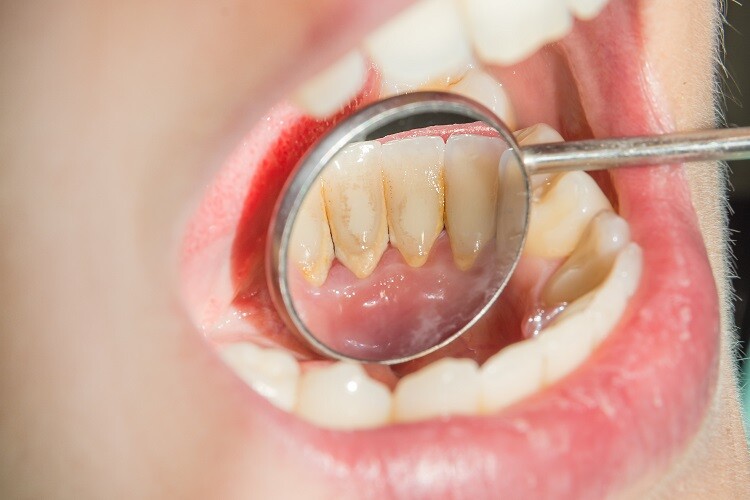
For many people, the appearance of yellowish or hardened buildup on teeth can be both frustrating and embarrassing. Known as dental tartar or calculus, this stubborn substance forms when plaque hardens over time and bonds tightly to the tooth surface. While professional dental cleaning remains the gold standard for removing tartar, a growing number of online articles and home remedy guides claim it can be eliminated without visiting a dentist.
But how much of this advice is helpful—and how much could potentially cause harm?
Understanding tartar and why it forms
Tartar begins as plaque, a sticky film made up of bacteria, food particles, and saliva. When plaque isn’t removed thoroughly through brushing and flossing, it can harden within 24 to 72 hours. Once hardened, it becomes tartar, which cannot be removed with a regular toothbrush alone.
This buildup typically forms along the gumline and between teeth. Over time, tartar can lead to gum inflammation, bad breath, tooth discoloration, and, in severe cases, periodontal disease. Because it creates a rough surface, tartar also attracts more plaque, creating a cycle that worsens oral health if left untreated.
Popular home remedies for tartar removal

Many home remedy articles promote natural or DIY solutions designed to reduce or eliminate tartar buildup. These methods often focus on softening plaque before it hardens or preventing additional buildup. Common suggestions include:
1. Baking soda brushing
Baking soda is frequently recommended due to its mild abrasive properties. Some guides suggest brushing with a small amount of baking soda to help polish teeth and reduce plaque accumulation. While it may help remove surface stains and slow plaque formation, baking soda alone cannot dissolve hardened tartar.
2. Oil pulling
Swishing coconut or sesame oil in the mouth for several minutes—known as oil pulling—is often promoted as a natural oral detox method. Supporters claim it helps reduce bacteria and plaque. While oil pulling may contribute to improved oral hygiene when combined with regular brushing, there is limited scientific evidence that it can remove existing tartar.
3. Hydrogen peroxide rinses
Diluted hydrogen peroxide is sometimes used as an antibacterial mouth rinse. It may help reduce bacteria that contribute to plaque formation and improve gum health. However, it does not break down hardened tartar and should be used cautiously to avoid irritation.
4. Eating crunchy fruits and vegetables
Apples, carrots, and celery are often described as “natural toothbrushes” because their texture can help scrub teeth during chewing. While they may help reduce plaque buildup and stimulate saliva production, they cannot remove tartar once it has formed.
Prevention versus removal: a critical distinction
Dental experts emphasize a key point often overlooked in home remedy discussions: most at-home techniques are preventive rather than curative. In other words, they can help reduce plaque and slow tartar formation, but they cannot fully remove hardened calculus.
Professional dental tools are specifically designed to scale and polish teeth safely. Attempting to scrape tartar off with household objects or untrained techniques can damage enamel and gums, increasing the risk of infection or long-term dental problems.
Online discussions among dental professionals and patients often echo this caution. Many stress that while maintaining excellent oral hygiene at home is essential, removing tartar without professional tools is both difficult and potentially harmful. Instead, they recommend focusing on prevention until a dental cleaning is possible.
Best practices for managing tartar at home
Although complete tartar removal requires a dentist, there are several evidence-based strategies to control buildup and protect oral health:
-
Brush twice daily with fluoride toothpaste using proper technique
-
Floss daily to remove plaque between teeth
-
Use an antibacterial mouthwash to reduce oral bacteria
-
Stay hydrated to maintain saliva production, which naturally cleans teeth
-
Limit sugary foods and drinks that feed plaque-forming bacteria
Electric toothbrushes and water flossers may also improve plaque control, particularly for individuals with braces, crowded teeth, or limited dexterity.
When to seek professional care
Even with diligent home care, most people will develop some tartar over time. Dentists typically recommend professional cleanings every six months, though some individuals may require more frequent visits depending on their oral health.
Warning signs that tartar or gum disease may be progressing include persistent bad breath, bleeding gums, gum recession, and tooth sensitivity. If these symptoms appear, professional evaluation becomes especially important.
A balanced perspective
Home remedies for tartar management can play a supportive role in maintaining oral hygiene, but they are not substitutes for professional treatment. Natural methods may help slow plaque accumulation and improve overall dental health, yet hardened tartar requires specialized tools and expertise.
Ultimately, the most effective strategy combines consistent daily care at home with regular dental checkups. By understanding the limits of DIY approaches and prioritizing prevention, individuals can protect their teeth and gums while avoiding unnecessary risks.