
Typical symptoms include lower back pain, frequent urination, and urinary urgency.
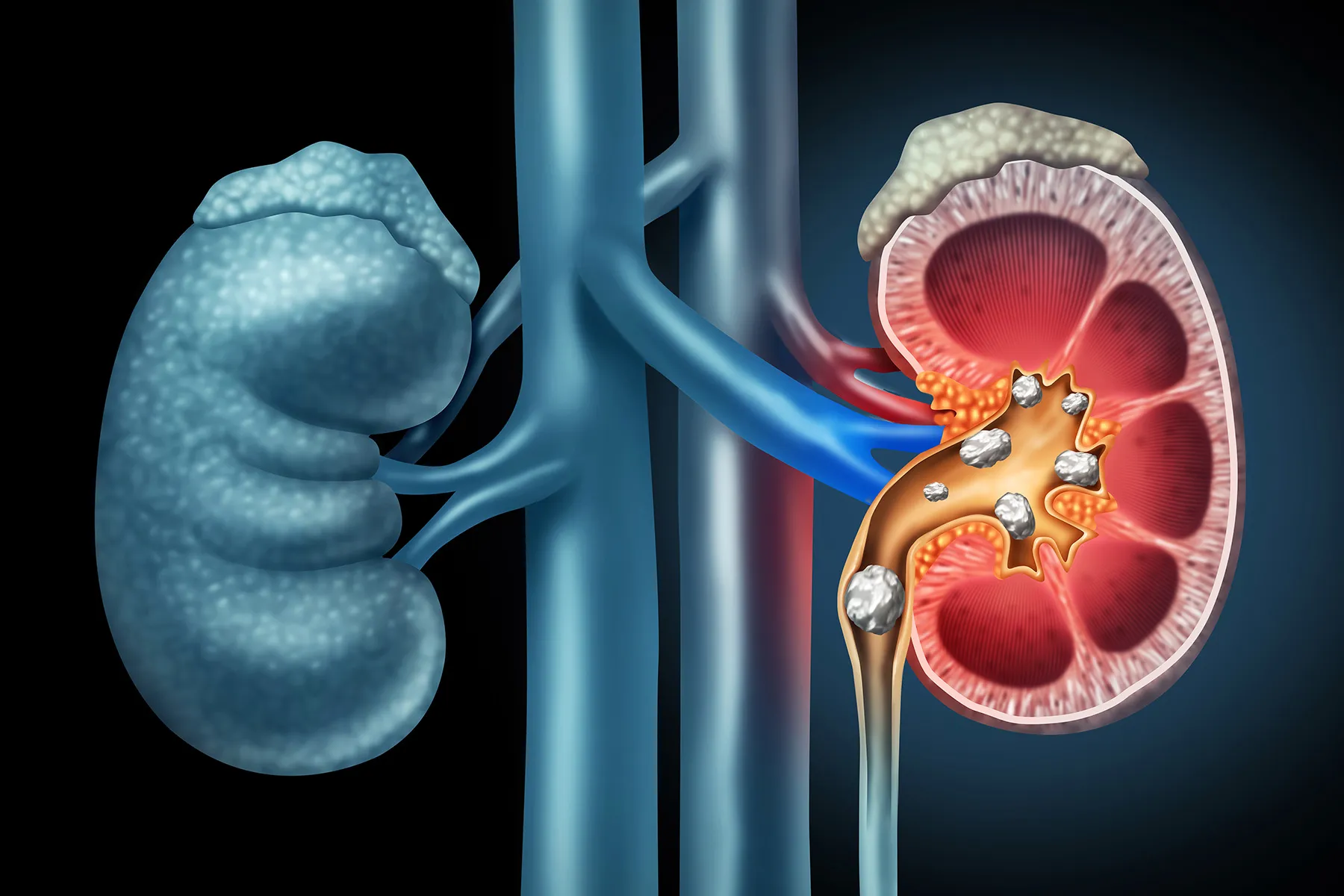
Urinary stones are solid particles formed from the natural crystallization of inorganic substances in the urine. They can cause pain, nausea, vomiting, blood in the urine, and may lead to fever or chills due to secondary infection. Most stones originate in the kidneys and travel along the urinary tract before being expelled from the body, which is why they are commonly referred to as kidney stones.
Symptoms of kidney stones may include:
Lower back pain or flank pain caused by friction or urinary obstruction, which may radiate toward the lower abdomen, sides, or thighs.
Painful urination, as stones moving from the ureter to the bladder or from the bladder to the urethra can cause pain or intense burning sensations.
Blood in the urine caused by stone-induced irritation or damage. Depending on the severity, blood may be visible to the naked eye or detectable only under a microscope.
Frequent urination or urinary urgency. When stones are located in the ureter or bladder, patients often feel the need to urinate more frequently.
Nausea and vomiting, which occur when kidney stones affect the digestive system.
Fever and chills, as kidney stones make urinary tract infections more likely.
Kidney stones present with many recognizable symptoms. When experiencing any concerning signs, one should seek medical attention promptly to receive proper treatment and avoid serious complications.
Individuals at Higher Risk of Developing Kidney Stones
People with a family history of kidney stones are more likely to develop the condition.
Those living in tropical climates, who do not drink enough water and sweat excessively, may become dehydrated, increasing the risk of stone formation.
Individuals who consume excessive amounts of protein, salt, or sugar.
People with obesity.
Individuals who have undergone certain surgeries or take medications that increase the risk of developing stones.
How to Prevent Kidney Stones
To reduce the risk of kidney stones, it is advisable to follow these guidelines:
Dietary habits:
-
Reduce sodium intake.
-
Limit sugar consumption.
-
Decrease red meat intake and replace it with protein from poultry.
-
Avoid soft drinks and sugary beverages.
-
Avoid processed foods such as bread, chips, and certain cheeses.
-
Limit foods high in calcium or oxalic acid, such as apples, garlic, onions, coffee, cocoa, and tea.
-
Avoid alcohol and caffeinated drinks.
Exercise:
Maintain a routine of light physical activities such as walking or cycling to support overall health and reduce contributing risk factors.