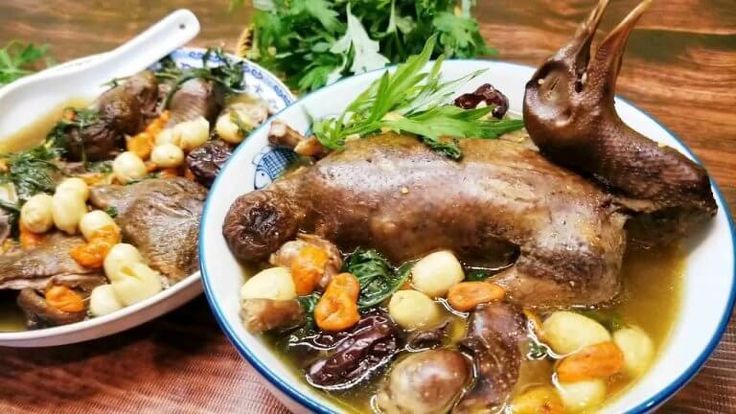
The “Golden Protein” Regarded as a Premium Restorative Food for the Body
Not as common as chicken or pork, this type of meat has long been classified as a premium restorative food thanks to its outstanding nutritional profile. With high protein content, low fat, rich micronutrients, and beneficial compounds that support the body’s recovery process, pigeon meat is widely regarded by doctors and nutrition experts as an ideal option for those seeking to restore and strengthen their health.
In Vietnam’s traditional restorative cuisine, pigeon has long been considered a “luxury” dish, typically reserved for individuals recovering from illness, postpartum women, or those needing to rebuild physical strength. According to Dr. Nguyen Vu Binh, a lecturer at Hanoi Medical University, pigeon meat offers numerous notable health benefits and is even rated higher than beef and chicken in certain key nutritional aspects.
Pigeon Meat – High-Quality Protein with Low Fat and Cholesterol
Nutritional data show that pigeon meat is rich in protein while remaining low in fat and cholesterol. This is a significant advantage for individuals who need to increase protein intake while limiting fat consumption, particularly older adults or those at risk of lipid disorders.
Beyond its protein content, pigeon meat also contains important vitamins such as vitamins A, B1, B2, and E, along with trace elements involved in blood formation. The combination of high-quality protein and a diverse micronutrient profile has led many experts to rate pigeon meat as nutritionally superior to beef and chicken in various situations.
Nourishing the Body and Supporting Recovery
When cooked, pigeon meat contains a considerable amount of collagen, making it especially beneficial for individuals with open wounds or those recovering from illness. Collagen plays a vital role in tissue regeneration, helping skin and damaged tissues heal more quickly.
In addition, the amino acids and minerals found in pigeon meat support protein synthesis, red blood cell regeneration, and energy production. As a result, people who consume pigeon meat during recovery often experience noticeable improvements in physical strength, reduced fatigue, and a faster return to normal daily activities and mobility.
Brain Support, Memory Enhancement, and Cognitive Function
One of the standout features of pigeon meat is its phospholipid content—an essential component of nerve cell structure. Phospholipids promote metabolic processes within tissue cells and help slow the aging process of the nervous system.
Through this mechanism, dishes made from pigeon meat are believed to nourish the brain, improve memory, and enhance cognitive performance. This is why pigeon meat is often recommended for individuals engaged in intensive intellectual work, students under academic pressure, and older adults seeking to maintain cognitive function.
Skin Health and Overall Vitality
In addition to its internal health benefits, pigeon meat is also valued for its beauty-enhancing properties. The chondroitin content in pigeon meat is believed to be comparable to that found in deer antler velvet, a well-known restorative ingredient in traditional Eastern medicine.
According to traditional medical beliefs, regular consumption of pigeon meat in appropriate amounts may help maintain a healthy complexion, improve skin tone, and slow the aging process. For this reason, pigeon dishes are frequently included in restorative diets designed to improve overall vitality and appearance.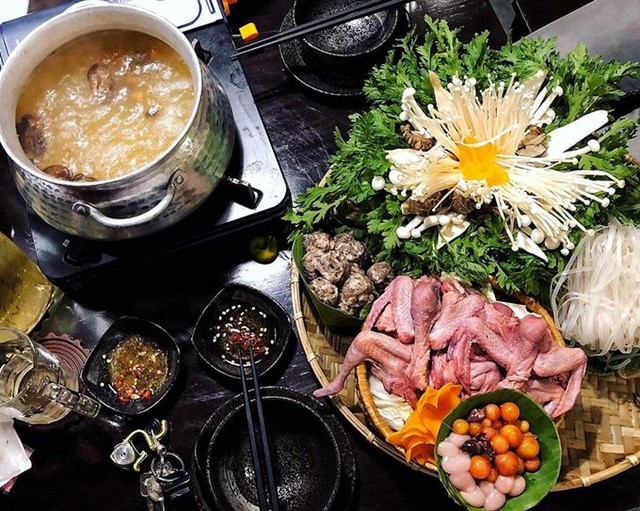
Proper Consumption for Maximum Benefit
Despite its many benefits, pigeon meat should still be consumed properly and in moderation. Preparation must ensure thorough cooking and proper food hygiene to preserve nutritional value and prevent the risk of bacterial contamination.
In summary, pigeon meat is not only a restorative dish rooted in traditional experience but also a nutritionally valuable food recognized by modern medicine. With its high-quality protein, rich micronutrients, and benefits for recovery, cognitive health, and skin vitality, pigeon meat deserves a place in the diet of those seeking sustainable and comprehensive health improvement.