Garlic has long been celebrated as a powerful natural ingredient. Used for centuries in both cooking and traditional remedies, it is known for boosting immunity, supporting heart health, and adding rich flavor to countless dishes. Many people consider garlic a daily essential for maintaining overall wellness.
However, despite its impressive nutritional profile, garlic is not suitable for everyone. Certain individuals may experience adverse effects or complications from consuming garlic, especially in large amounts or on an empty stomach. Understanding who should be cautious can help prevent unnecessary health risks while allowing others to enjoy its benefits responsibly.
Why Garlic Is So Popular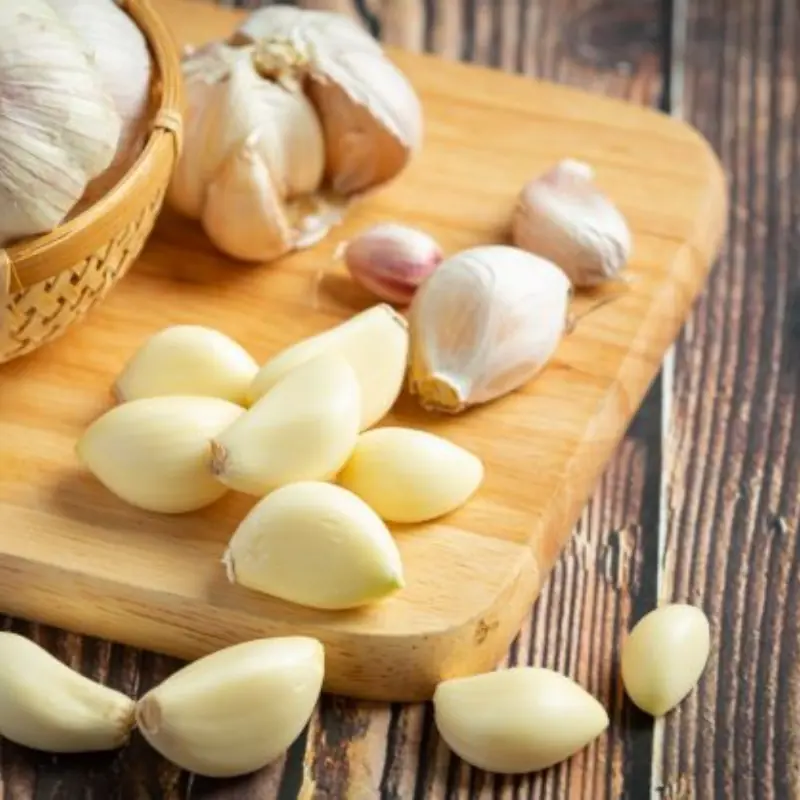
Garlic contains a compound called allicin, which is believed to provide many of its health benefits. Studies suggest garlic may help reduce blood pressure, lower cholesterol levels, and support immune function. It is also rich in antioxidants, which help protect the body from oxidative stress and inflammation.
Because of these advantages, garlic is often recommended as part of a balanced diet. Some people even consume raw garlic daily for its potential medicinal properties. But like many natural foods, what works well for one person may not be suitable for another.
People With Sensitive Stomachs
One group that should be cautious with garlic includes those with sensitive digestive systems. Garlic can be quite strong and may irritate the stomach lining, especially when eaten raw. Individuals who frequently experience acid reflux, gastritis, or stomach ulcers may notice discomfort after consuming garlic.
Symptoms can include bloating, heartburn, or abdominal pain. For these individuals, limiting garlic intake or consuming it only when cooked may help reduce irritation. Cooking garlic often makes it gentler on the digestive system while still providing flavor and nutrients.
Individuals Taking Blood-Thinning Medication
Garlic is known for its natural blood-thinning properties. While this can be beneficial for heart health in some cases, it may pose risks for people who are already taking anticoagulant or blood-thinning medications.
Combining garlic with such medications could increase the risk of excessive bleeding or bruising. This is particularly important for individuals preparing for surgery or those with bleeding disorders. Consulting a healthcare professional before significantly increasing garlic consumption is a wise step for anyone in this category.
People With Low Blood Pressure
Garlic may help lower blood pressure, which is beneficial for many individuals with hypertension. However, for those who already have low blood pressure, consuming large amounts of garlic could cause dizziness, fatigue, or lightheadedness.
If someone frequently experiences symptoms related to low blood pressure, they may need to monitor how garlic affects them. Moderation is key, and paying attention to the body’s response can help prevent unwanted side effects.
Individuals With Allergies or Skin Sensitivity
Although rare, some people may have an allergy or sensitivity to garlic. Symptoms can include skin rashes, itching, swelling, or digestive discomfort after consumption. In certain cases, handling raw garlic can even cause skin irritation.
Anyone who notices unusual reactions after eating or touching garlic should consider reducing exposure and seeking professional advice. Allergic responses can vary in severity, so it is important not to ignore persistent symptoms.
People Before Surgery
Doctors often advise patients to avoid garlic supplements or large amounts of raw garlic before surgery. Because garlic can affect blood clotting, it may increase the risk of bleeding during or after surgical procedures.
Most healthcare providers recommend stopping garlic supplements at least one to two weeks before surgery. Even dietary garlic should be discussed with a medical professional to ensure safety during recovery.
Enjoying Garlic Safely
For the majority of people, garlic remains a healthy and flavorful addition to meals. The key is moderation and awareness. Eating garlic as part of a balanced diet, rather than in excessive amounts, can help maximize its benefits while minimizing potential risks.
Cooking garlic instead of consuming it raw may also make it easier on the stomach and reduce its intensity. Pairing it with other foods can further soften its effects and improve digestion.