
A reminder to include them regularly in a balanced diet.
Nutrition alone does not cure cancer. However, research consistently shows that certain plant-based foods contain bioactive compounds that
may help protect cells, reduce inflammation, and support the body’s natural defense systems. When combined with a healthy lifestyle, these
foods can contribute to long-term well-being.
Below are eight foods widely studied for their potential protective properties.
1. Sweet Potatoes – Rich in Protective Antioxidants
Sweet potatoes, especially purple varieties, are packed with antioxidants such as beta-carotene and anthocyanins. These compounds help
neutralize free radicals and reduce oxidative stress — a process linked to cellular damage.
Purple sweet potatoes, in particular, contain anthocyanins that have been studied for their potential to slow abnormal cell growth in
laboratory settings. While these findings do not mean sweet potatoes “destroy cancer,” they suggest that including antioxidant-rich foods in
the diet may support overall cellular health.
Best way to eat them: steamed, baked, or roasted. Cooking can improve digestibility and nutrient absorption.
2. Eggplant – A Source of Bioactive Plant Compounds
Eggplant contains several phytochemicals, including nasunin (an antioxidant found in the purple skin), solasodine glycosides, and other plant
alkaloids. Laboratory studies have explored their potential anti-proliferative effects on certain cancer cell lines.
In addition to these compounds, eggplant provides fiber, potassium, and antioxidants that support cardiovascular and digestive health.
Best way to eat it: grilled, roasted, or lightly sautéed to preserve nutrients while enhancing flavor.
3. Broccoli – A Sulforaphane Powerhouse
Among cruciferous vegetables, broccoli stands out for its high concentration of sulforaphane. This compound is known to activate
detoxification enzymes in the liver and help the body eliminate potential carcinogens.
Research suggests sulforaphane may play a role in supporting cellular defense mechanisms and reducing inflammation. Cruciferous
vegetables as a group have been associated with reduced risk of certain cancers in population studies.
Best way to eat it: lightly steamed rather than overcooked, to preserve sulforaphane content.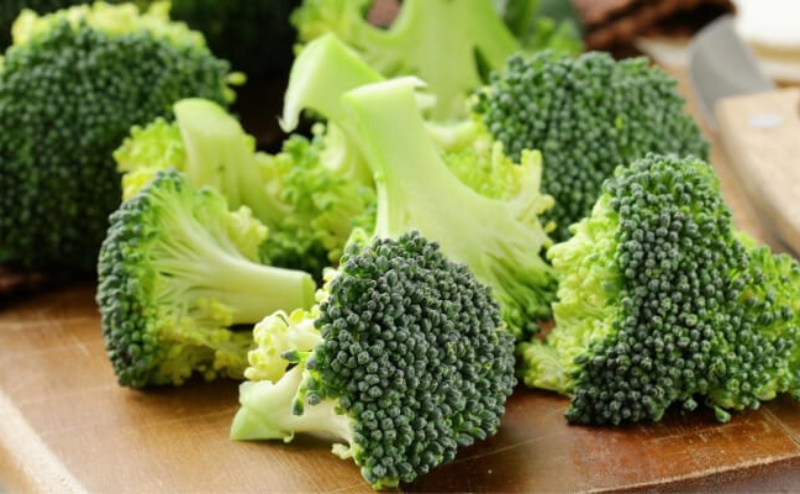
4. Radish – Supporting Detox Pathways
Radishes contain compounds such as glucosinolates and mustard oils, which contribute to their pungent flavor. These compounds are being
studied for their role in supporting detoxification pathways in the body.
Radishes are also rich in vitamin C and antioxidants that support immune health. Some research indicates that compounds in radishes may
help reduce the formation of nitrosamines — substances linked to increased cancer risk.
Best way to eat them: raw in salads, lightly pickled, or added to soups.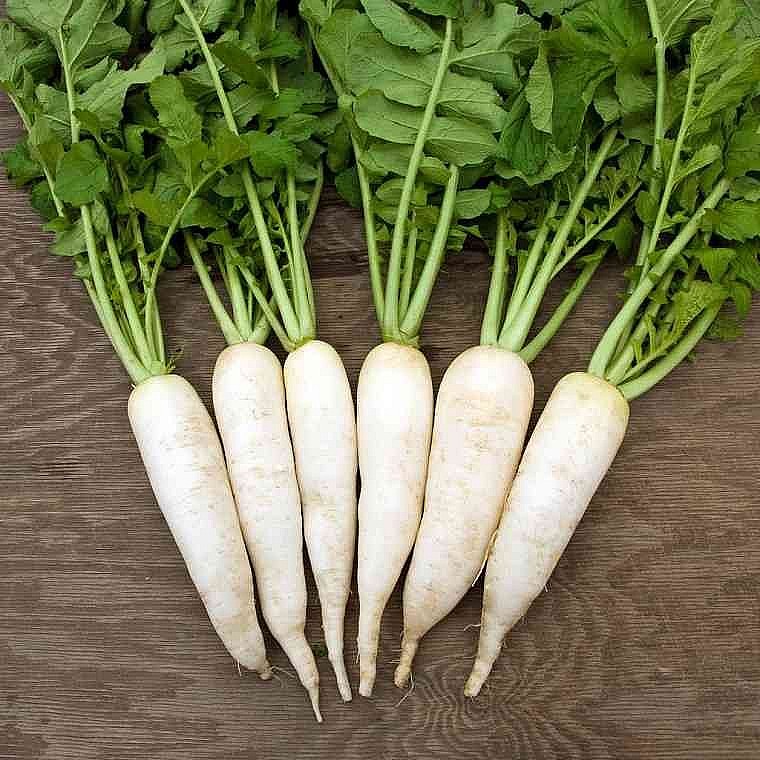
5. Tomatoes – A Powerful Source of Lycopene
Tomatoes are well known for their high lycopene content, the antioxidant responsible for their red color. Lycopene has been extensively
studied for its potential role in supporting prostate and other cellular health.
Interestingly, cooking tomatoes increases the bioavailability of lycopene, making it easier for the body to absorb.
Best way to eat them: cooked in sauces, soups, or stews with a small amount of healthy fat such as olive oil.
6. Pumpkin – Rich in Beta-Carotene
Pumpkin is high in beta-carotene, which the body converts into vitamin A. This nutrient supports immune function and cellular integrity.
Pumpkin also provides fiber, vitamin C, and other antioxidants that contribute to overall metabolic and cardiovascular health.
Best way to eat it: roasted, steamed, or blended into soups.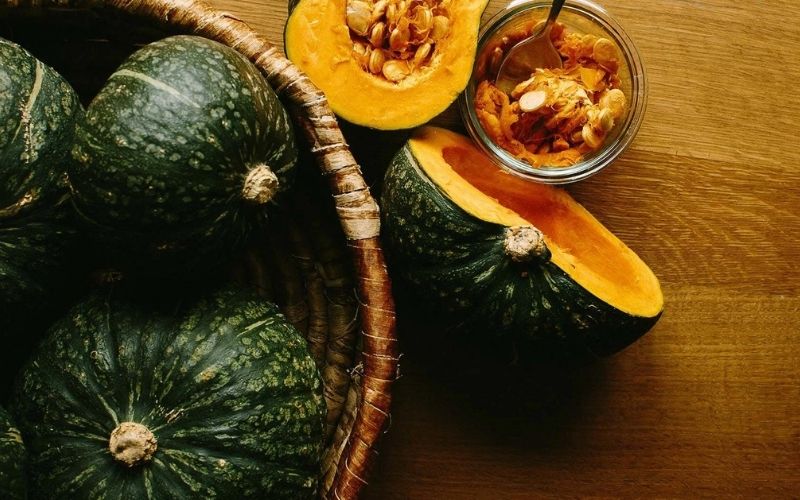
7. Pomegranate – A Polyphenol-Rich Fruit
Pomegranates contain polyphenols such as ellagic acid, flavonoids, and anthocyanins. Research has explored their potential to slow the
growth of certain cancer cells in laboratory models.
Pomegranate juice and seeds are rich in antioxidants that help reduce oxidative stress and inflammation — both important factors in long-
term health.
Best way to eat it: fresh seeds or freshly pressed juice without added sugar.
8. Turmeric – The Curcumin Compound
Turmeric has been used for centuries in traditional medicine systems. Its primary active compound, curcumin, has been widely studied for its
anti-inflammatory and antioxidant properties.
Research suggests curcumin may influence cellular signaling pathways related to inflammation and abnormal cell growth. However, curcumin
absorption is relatively low, so it is often consumed with black pepper (which contains piperine) to enhance bioavailability.
Best way to eat it: added to curries, soups, or warm milk with black pepper.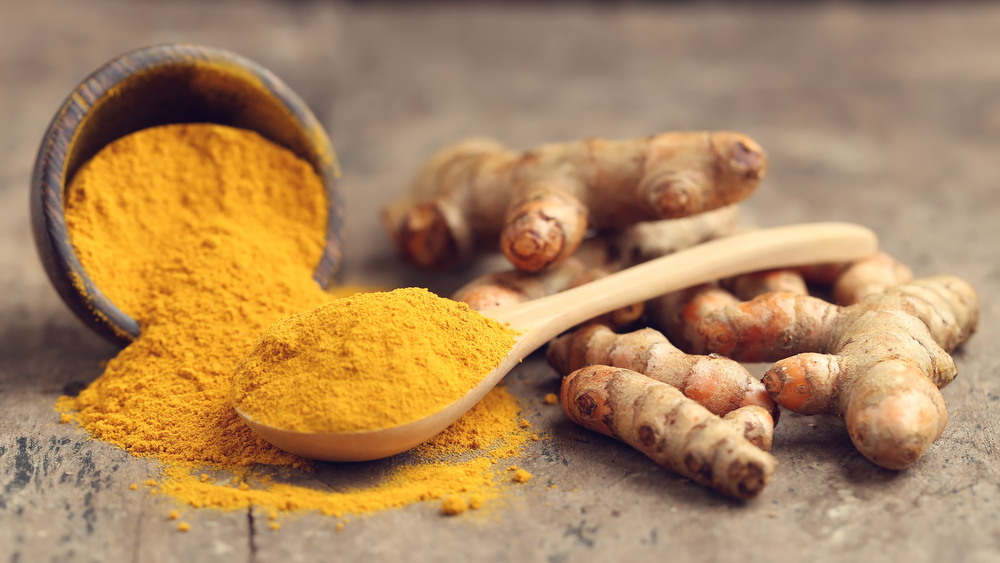
A Balanced Perspective
While these foods contain promising compounds, they are not standalone treatments. Cancer prevention and management involve multiple
factors, including genetics, environment, medical care, physical activity, and overall diet quality.
What the evidence consistently supports is this:
A diet rich in vegetables, fruits, fiber, and plant-based compounds contributes to better long-term health outcomes.
Incorporating a variety of colorful, whole foods into your daily meals strengthens the body’s natural defense systems. Small, consistent choices
- repeated over time matter more than any single “superfood.”
Nutrition supports the body. Medicine treats disease. The two work best together, not separately.