
Cloves are small, dark brown flower buds with a powerful aroma and an even more powerful chemical profile. Used for centuries in traditional
medicine systems and global cuisines, cloves are more than just a warming spice. Modern research has begun to explore the biological
mechanisms behind their long-standing reputation for health support.
This guide breaks down what cloves are, how they work in the body, their potential benefits, practical uses, and important safety
considerations.
What Are Cloves?
Cloves come from the dried flower buds of the tree Syzygium aromaticum, native to Indonesia. They are intensely aromatic because they
contain high concentrations of essential oils, particularly eugenol, which is responsible for much of their medicinal activity.
Cloves can be used in several forms:
-
Whole dried buds
-
Ground clove powder
-
Clove essential oil
-
Clove-infused water or tea
Their flavor is warm, slightly sweet, and spicy, making them popular in both savory and sweet dishes.
The Active Compounds in Cloves
The primary bioactive compound in cloves is eugenol, a natural phenolic compound with strong antioxidant and antimicrobial properties.
Other important components include:
-
Beta-caryophyllene
-
Tannins
-
Flavonoids
-
Triterpenoids
These compounds work together to produce anti-inflammatory, antimicrobial, and antioxidant effects.
Health Benefits of Cloves
While cloves are not a cure for disease, research suggests they may support several aspects of health.
1. Powerful Antioxidant Protection
Cloves rank extremely high on antioxidant scales compared to many other spices and plant foods. Antioxidants help neutralize free radicals —
unstable molecules that can damage cells and contribute to aging and chronic disease.
Eugenol, in particular, has been shown in laboratory studies to reduce oxidative stress and support cellular protection.
2. Antimicrobial Properties
Clove oil has demonstrated strong antimicrobial effects against various bacteria and fungi in laboratory settings.
Historically, cloves were used to preserve food and prevent spoilage due to their antibacterial properties. Today, clove oil is commonly found
in oral care products for its ability to inhibit harmful microbes.
3. Oral Health Support
One of the most well-known uses of cloves is for dental pain. Eugenol has mild anesthetic properties, which is why clove oil has been
traditionally applied to relieve toothaches.
In dentistry, eugenol has been used in temporary fillings and dental cements due to its soothing and antimicrobial characteristics.
4. Digestive Support
Cloves may stimulate digestive enzyme secretion, which can help improve digestion and reduce bloating.
In traditional medicine, cloves were often used to relieve indigestion, gas, and nausea. Their warming nature may also support healthy gut
motility.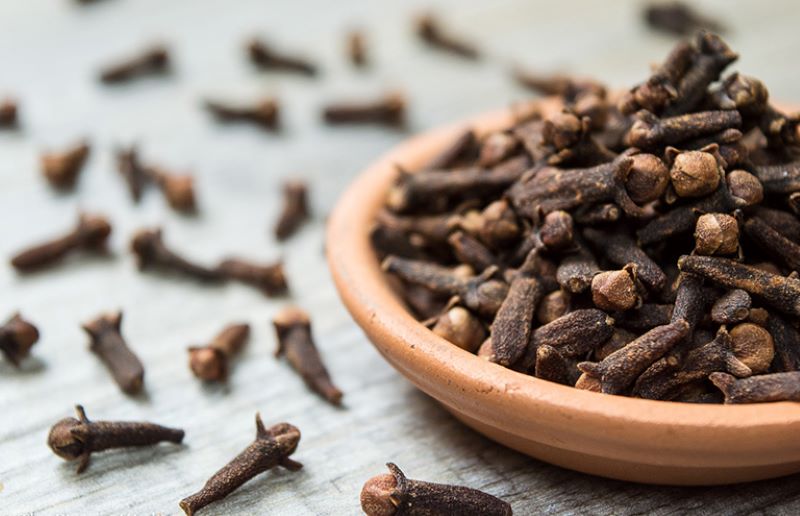
5. Anti-Inflammatory Effects
Chronic inflammation is associated with many long-term health conditions. Some animal and laboratory studies suggest that clove
compounds may reduce inflammatory markers.
While more human research is needed, the anti-inflammatory potential of cloves is one reason they are studied in relation to metabolic and
cardiovascular health.
6. Blo.od Sugar Regulation
Preliminary research suggests that clove extracts may influence insulin sensitivity and glucose metabolism. Some small studies have observed
modest improvements in blood sugar markers when cloves are included in the diet.
However, cloves should not replace prescribed treatments for diabetes. They may only serve as a supportive dietary component.
7. Liver Health
Animal studies have shown that eugenol may help reduce oxidative damage in the liver. Because the liver is responsible for detoxification,
antioxidant support can be beneficial.
Human evidence is still limited, so moderation is key.
How Cloves Work in the Body
The effects of cloves primarily stem from eugenol and related phenolic compounds. These molecules:
-
Neutralize oxidative stress
-
Interact with inflammatory pathways
-
Inhibit microbial growth
-
Modulate certain enzymes
Eugenol can influence cell signaling pathways involved in inflammation and microbial defense. However, these effects are dose-dependent —
higher concentrations do not necessarily mean better outcomes.
Practical Uses of Cloves
1. In Cooking
Cloves enhance flavor in:
-
Curries
-
Stews
-
Rice dishes
-
Baked goods
-
Mulled beverages
Because of their potency, a small amount goes a long way.
2. Clove Tea
Clove tea is made by steeping 2–3 whole cloves in hot water for 5–10 minutes. Some people add cinnamon or ginger for additional warmth.
This preparation is often used for digestion and immune support.
3. Clove Water
Soaking cloves overnight in water creates a mild infusion. This is consumed in small amounts for general wellness in some traditional
practices.
4. Clove Oil (Topical Use Only)
Clove essential oil must be diluted before applying to the skin. It is sometimes used for:
-
Toothache relief
-
Minor fungal issues
-
Muscle discomfort
Never ingest essential oil directly without medical supervision.
Safety and Precautions
While cloves are safe in culinary amounts, concentrated forms require caution.
-
High doses of clove oil can be toxic
-
Excessive consumption may cause digestive irritation
-
Clove oil may interact with blood-thinning medications
-
Not recommended for young children without medical advice
Moderation is critical. A typical culinary amount (1–3 cloves per day) is generally safe for most healthy adults.
Are Cloves a “Superfood”?
Cloves are nutrient-dense and bioactive, but no single food can replace a balanced diet. They are best viewed as a supportive component
within a diverse nutritional plan that includes fruits, vegetables, whole grains, lean proteins, and healthy fats.
Conclusion
Cloves are a small spice with significant biological activity. Their antioxidant, antimicrobial, and anti-inflammatory properties have made them
valuable for centuries in both traditional medicine and culinary traditions.
Modern science continues to explore their mechanisms and potential benefits. While they are not a cure-all, cloves can play a meaningful role
in supporting overall wellness when used responsibly and in moderation.
Sometimes, the most powerful ingredients come in the smallest forms.